Tosca: The Original Political Thriller
Austin T. Richey, PhD
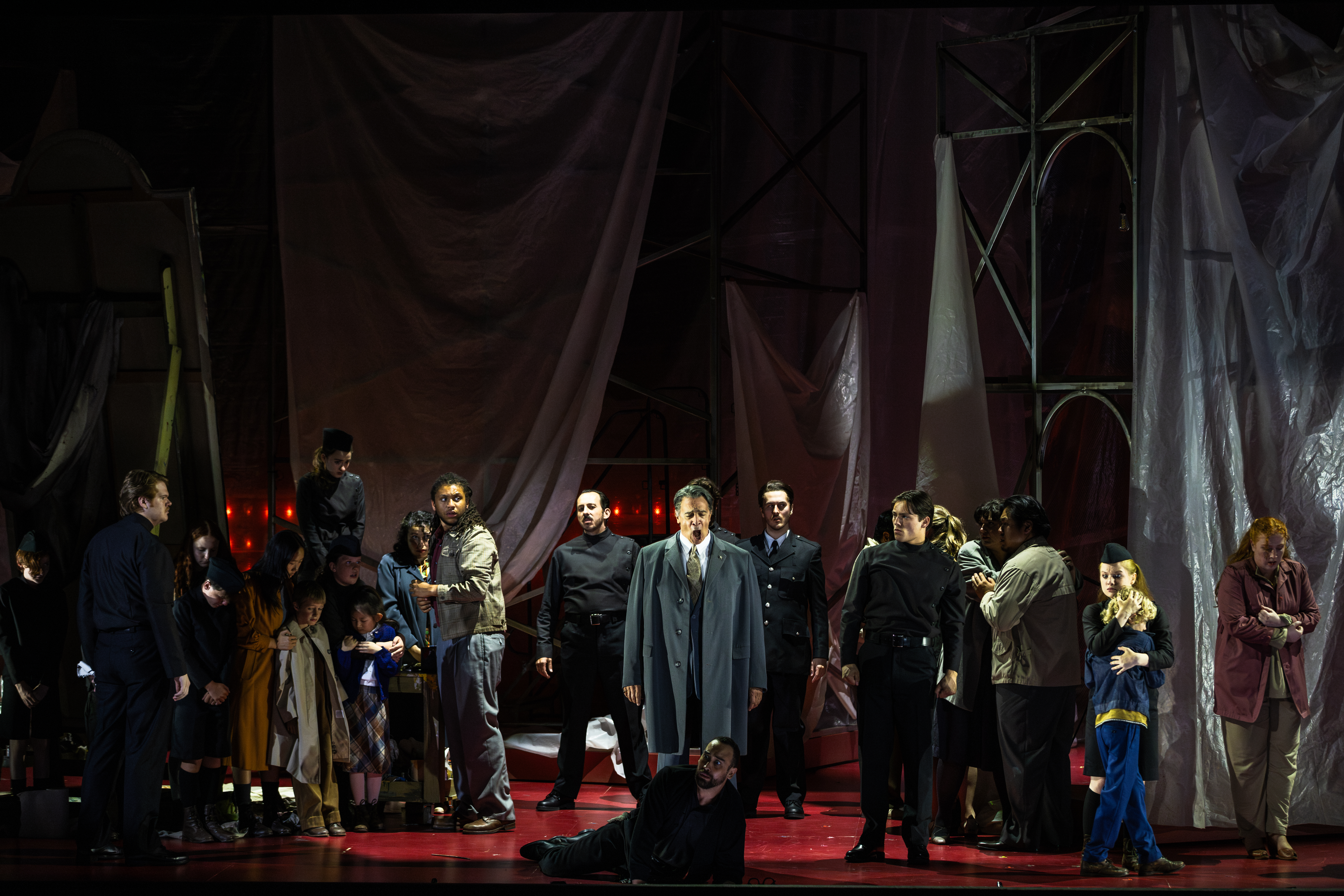
It is easy to think of Tosca as “classic opera”: grand voices, famous arias, candlelit churches, sweeping passion, and a tragic heroine standing at the center of it all. It is all of those things. But Tosca is also something sharper, faster, and more dangerous.
It is a political thriller.
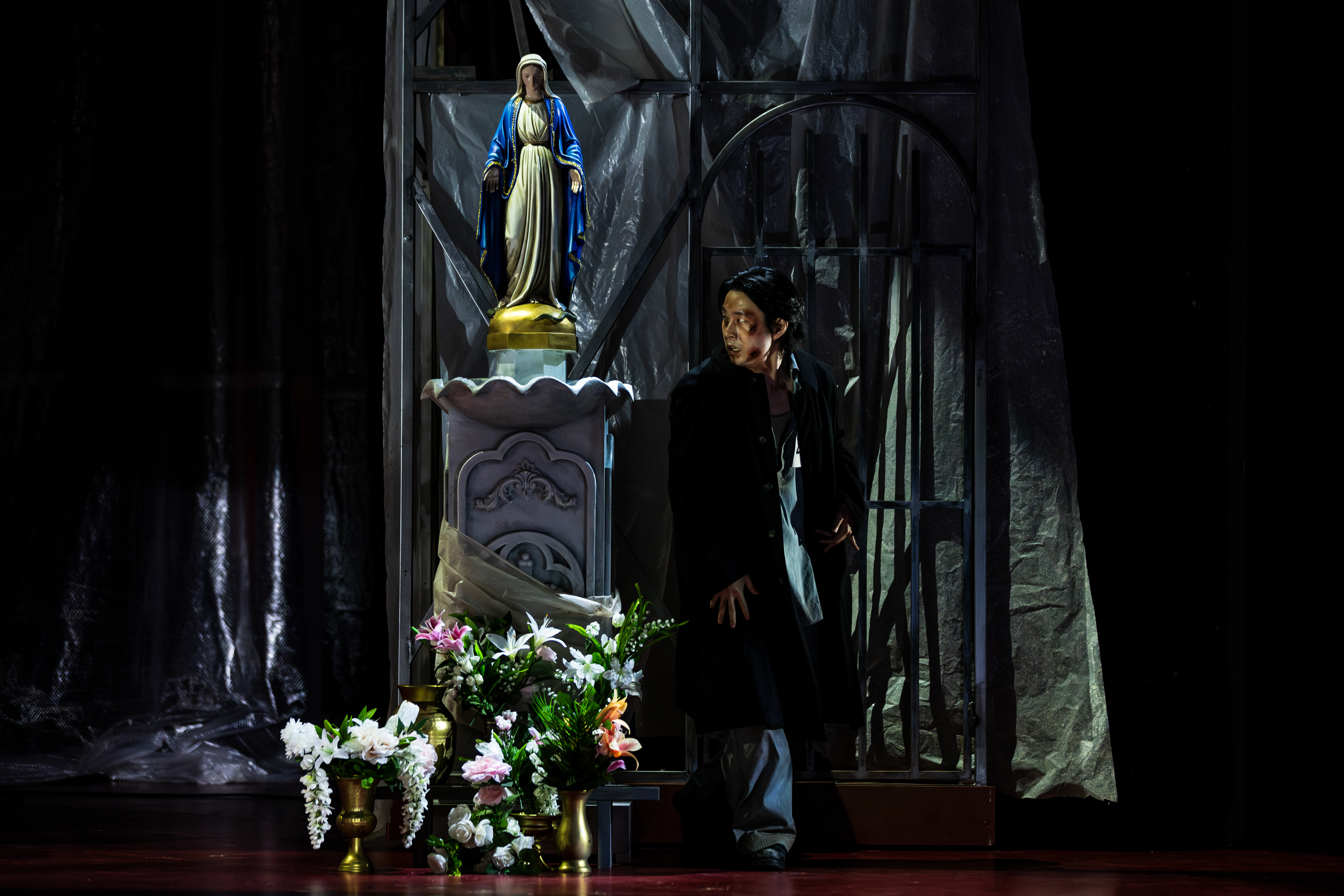
From its opening moments, Puccini’s opera moves with remarkable urgency. An escaped political prisoner rushes into a church. A painter agrees to help him. A famous singer arrives, in love and on the lookout for potential rivals. A police chief enters and immediately begins turning every human weakness to his advantage. Before long, private romance, religious devotion, political rebellion, torture, sexual coercion, murder, and execution are locked into one relentless chain of events.
The story unfolds over less than a day. There is no subplot to soften the edges, no comic relief to release the pressure. Tosca is built like a trap, and Puccini makes us feel the walls closing in.
That may be one reason the opera has remained so gripping since its premiere in 1900. Audiences come for the beauty of the music, and rightly so. “Vissi d’arte” is one of the most beloved soprano arias in the repertoire. “E lucevan le stelle” gives the tenor a moment of devastating reflection before death. The Te Deum that closes Act I is one of Puccini’s most overwhelming theatrical coups, layering sacred ritual, public spectacle, and Scarpia’s private obsession into a single terrifying sound world.
But the beauty of Tosca does not soften the brutality. It intensifies it.
At the center of the opera is a question that feels disturbingly modern: what happens when political power becomes personal?
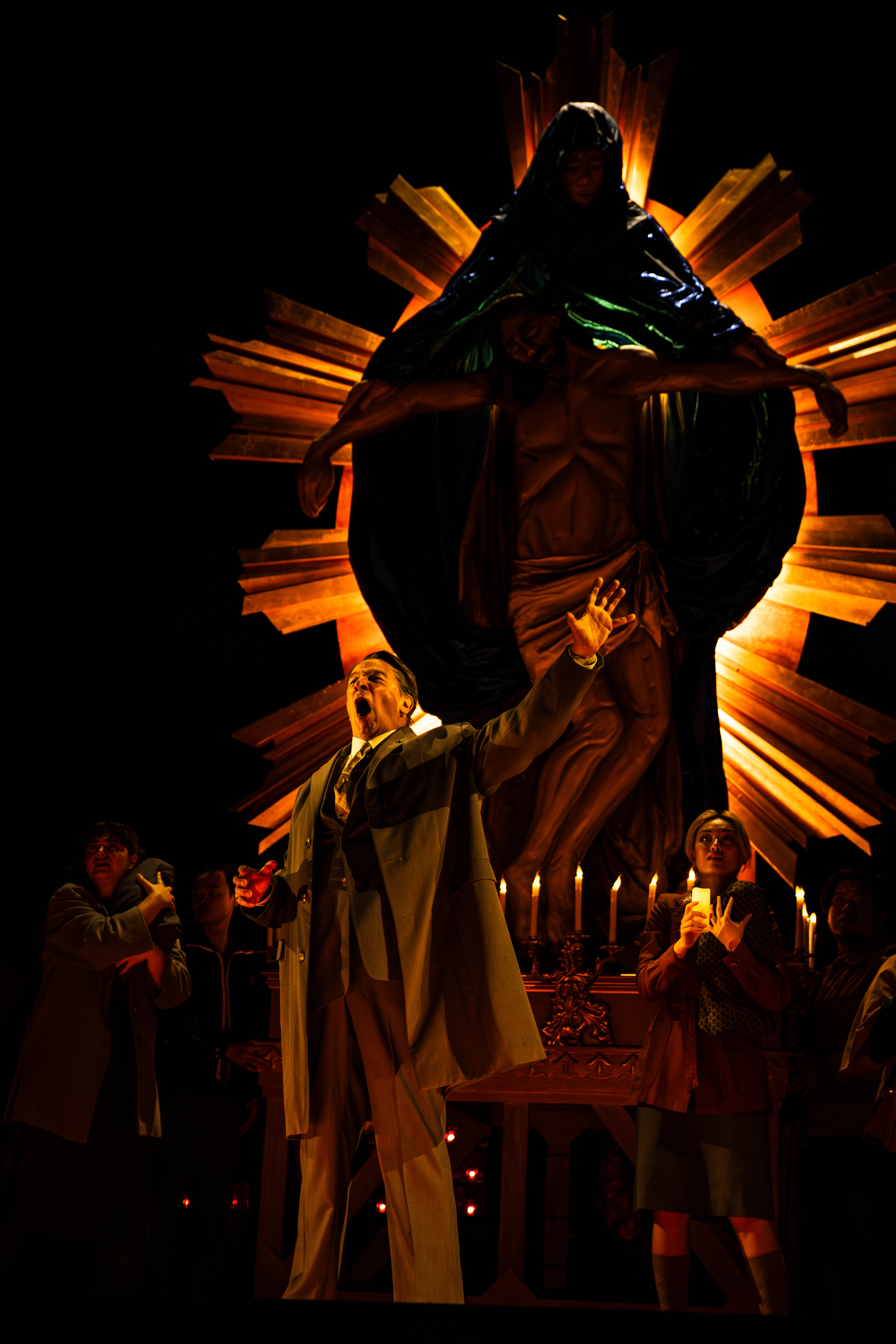
Baron Scarpia, the chief of police, is one of opera’s great villains not because he is simply evil, but because he understands systems. He understands surveillance. He understands reputation. He understands jealousy, fear, loyalty, and faith. He knows that people can be manipulated through what they love most. Tosca loves Cavaradossi, so Scarpia uses that love. Tosca is religious, so he stages his hypocrisy against the backdrop of sacred ritual. Cavaradossi has political commitments, so Scarpia turns dissent into a death sentence.
In this sense, Scarpia belongs to a long line of operatic figures who reveal how authority can become monstrous. In Beethoven’s Fidelio, Pizarro uses imprisonment and secrecy to maintain power, while the opera itself becomes a hymn to liberation and moral courage. In Verdi’s Don Carlo, political and religious authority are intertwined in the terrifying figure of the Grand Inquisitor. In Mussorgsky’s Boris Godunov, power corrodes the ruler from within, turning the question of his political legitimacy into psychological torment. In Britten’s Peter Grimes, the violence of authority is more communal, as an entire town becomes judge, jury, and executioner.
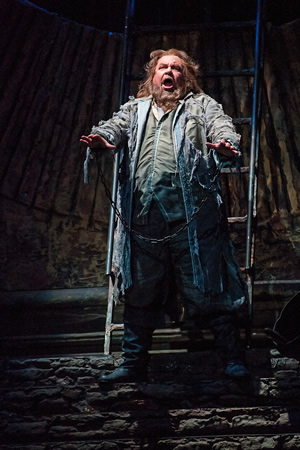
In Tosca, Puccini compresses the machinery of power into an intimate space. We do not see armies. We do not need a parliament, a battlefield, or a revolution staged in full. Instead, we see rooms: a church, an office, a prison. We see who is allowed to speak, who is watched, who is believed, and who is disposable. The terror of the opera lies in its proximity. Political violence is not somewhere else. It is in the next room.
Tosca does not require a deep knowledge of opera history to feel its force. Its dramatic situation is immediately understandable. Someone is hiding. Someone is helping. Someone is jealous. Someone is watching. Someone has power and intends to abuse it.
Puccini’s genius is that he makes the audience understand the stakes almost physically. The orchestra does not merely accompany the plot; it tightens the screws. Musical motives return like evidence. Harmonies darken when danger enters. Public music and private thought collide. The Act I Te Deum is a perfect example: while a church service unfolds, Scarpia sings of his desire to possess Tosca and destroy Cavaradossi. Sacred grandeur and personal corruption overlap. The result is chilling because the institution does not stop him. It amplifies him.
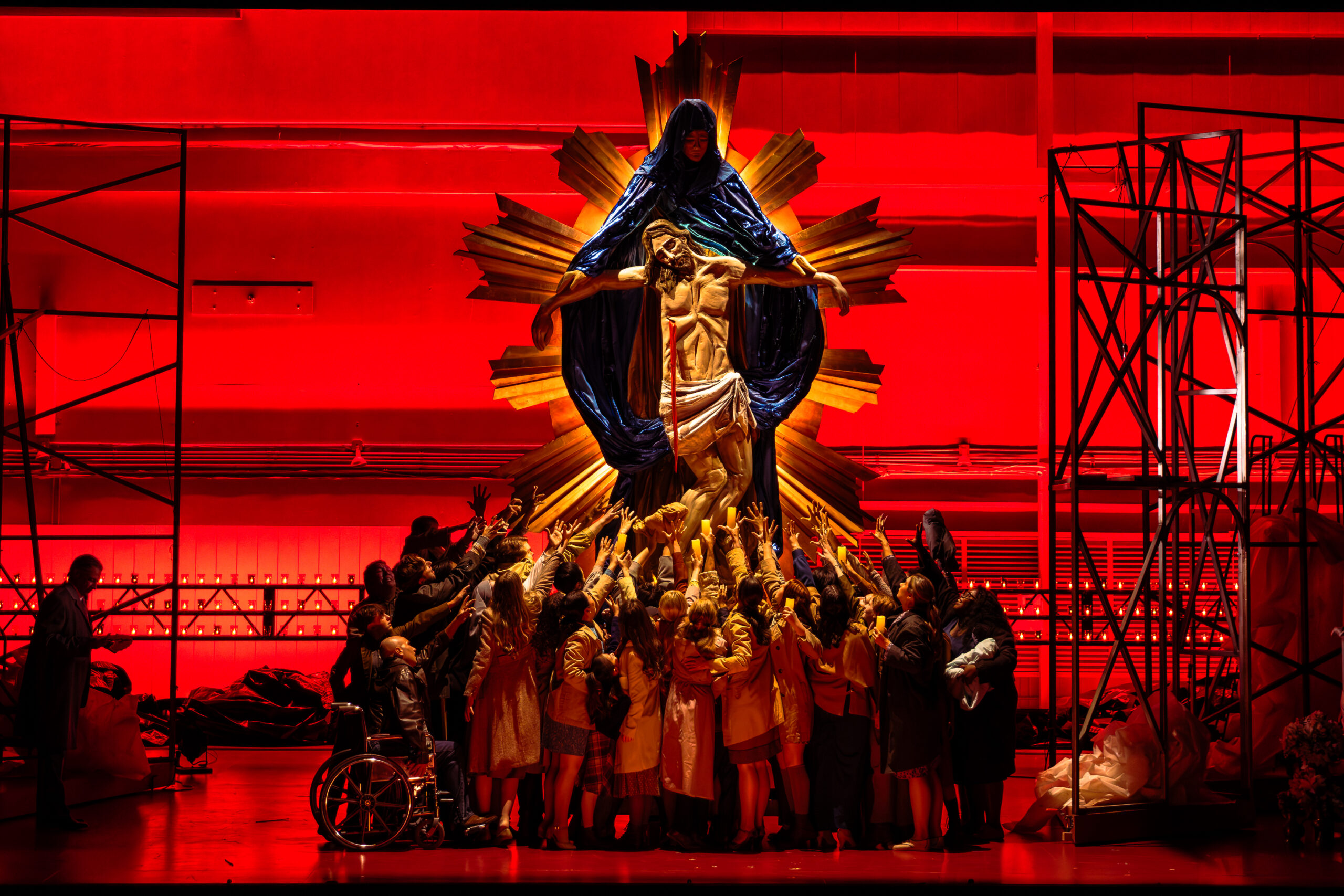
Experienced opera lovers may hear in this moment Puccini’s extraordinary theatrical economy. Like Verdi before him, Puccini understood how to place a character’s inner life against a larger public world. Think of Rigoletto, where courtly entertainment masks cruelty and danger, or Aida, where public ceremony and private anguish are constantly at odds. But Puccini brings a particularly cinematic focus to Tosca. He cuts quickly. He builds tension through objects and gestures: a fan, a portrait, a knife, a letter, a passport, a firing squad. Everything matters because everything can become evidence.
In Tosca, a church is not only a church. It is a hiding place, a studio, a site of prayer, and a stage for political manipulation. A painting is not only a painting. It becomes proof of desire, jealousy, and divided loyalty. A safe-conduct pass is not only a document. It becomes a promise, a lie, and a symbol of how power controls movement. Even music itself is not innocent. Tosca’s public identity as a singer makes her visible, admired, and vulnerable.
This is where Tosca becomes especially rich as a drama about art. Tosca and Cavaradossi are both artists. She sings; he paints. They live for beauty, but beauty does not remove them from history. Art does not protect them from authoritarian power. In fact, their visibility may expose them. Cavaradossi’s painting becomes a source of suspicion. Tosca’s fame makes her desirable to Scarpia. Their artistic lives are not separate from politics. They are caught inside it.
Opera often returns to this idea: the artist as witness, victim, survivor, or truth-teller. In Strauss’s Ariadne auf Naxos, art is a philosophical refuge and a comic battleground. In Berg’s Lulu, performance, desire, and exploitation become inseparable. In Puccini’s La bohème, art is bound to youth, poverty, and mortality. In Tosca, art confronts state violence directly. The singer and the painter are not decorative figures. They are people whose capacity for beauty exists in a world that can still destroy them.
And then there is Tosca herself.
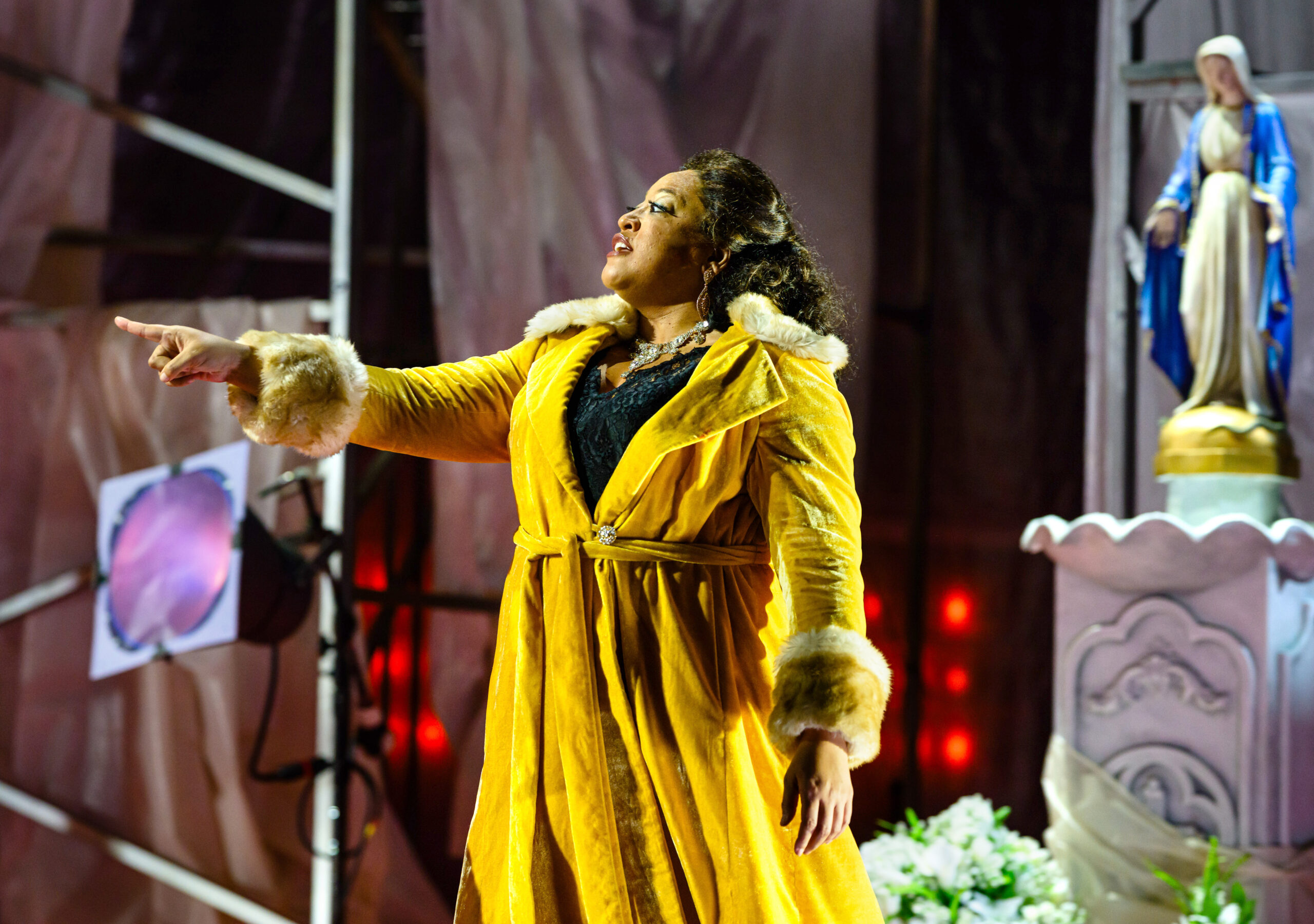
She is sometimes described too simply: jealous diva, passionate woman, tragic heroine. But the opera gives us someone far more complex. Tosca is emotional, yes. She is jealous, yes. She is also courageous, devout, intelligent, and placed in an unbearable situation. Scarpia’s strategy depends on others underestimating her. He assumes he can corner her completely. He assumes power will give him the final word.
The shock of Act II is that Tosca acts.
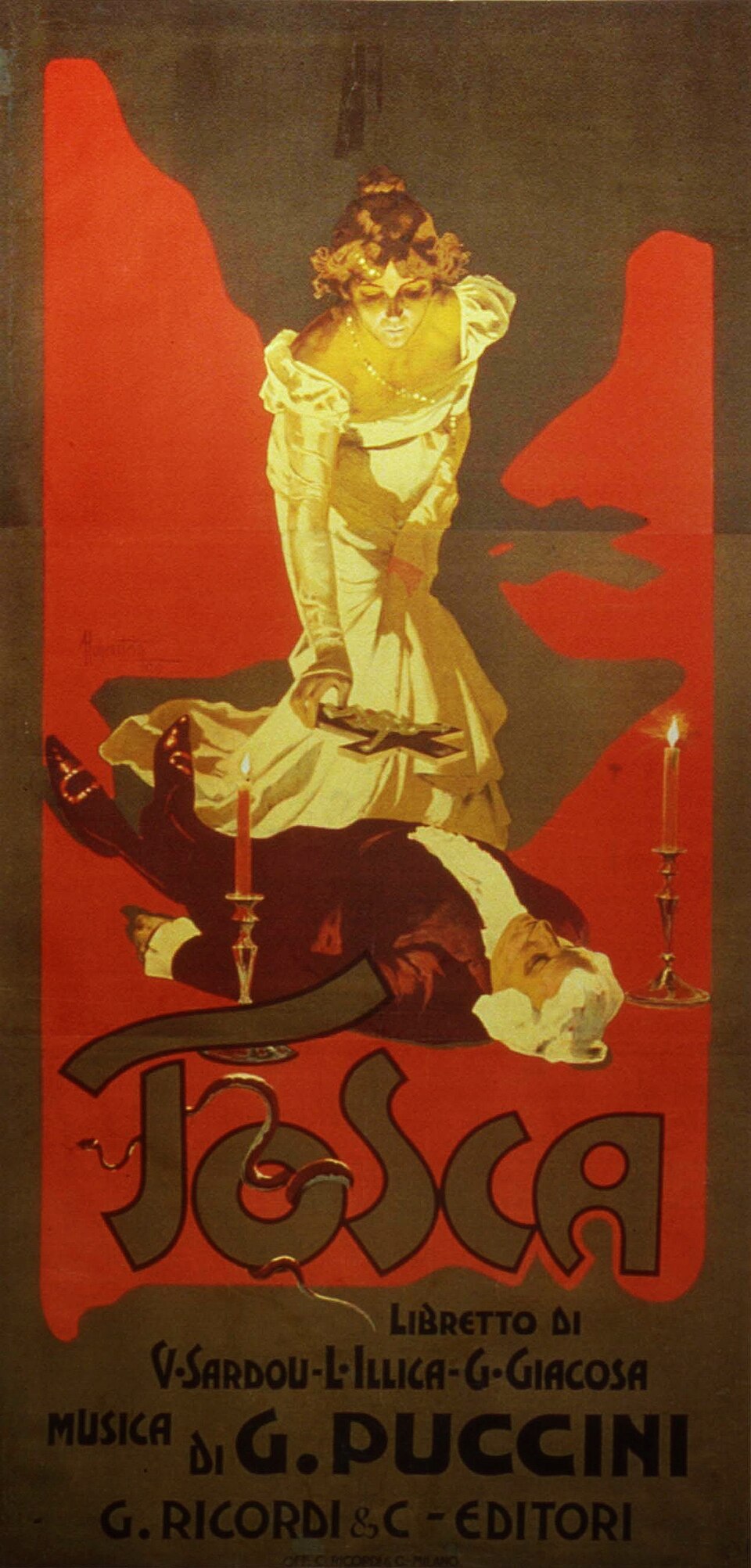
Her killing of Scarpia is not presented as uncomplicated triumph. It is horrifying, desperate, and irreversible. But it is also the moment when the victim of coercion refuses the role assigned to her. Opera is filled with women pushed into impossible corners: Leonora in Il trovatore, Norma in Bellini’s Norma, Violetta in La traviata, Cio-Cio-San in Madama Butterfly, Káťa in Janáček’s Káťa Kabanová. What makes Tosca distinct is the speed with which she must move from prayer to violence, from terror to decision.
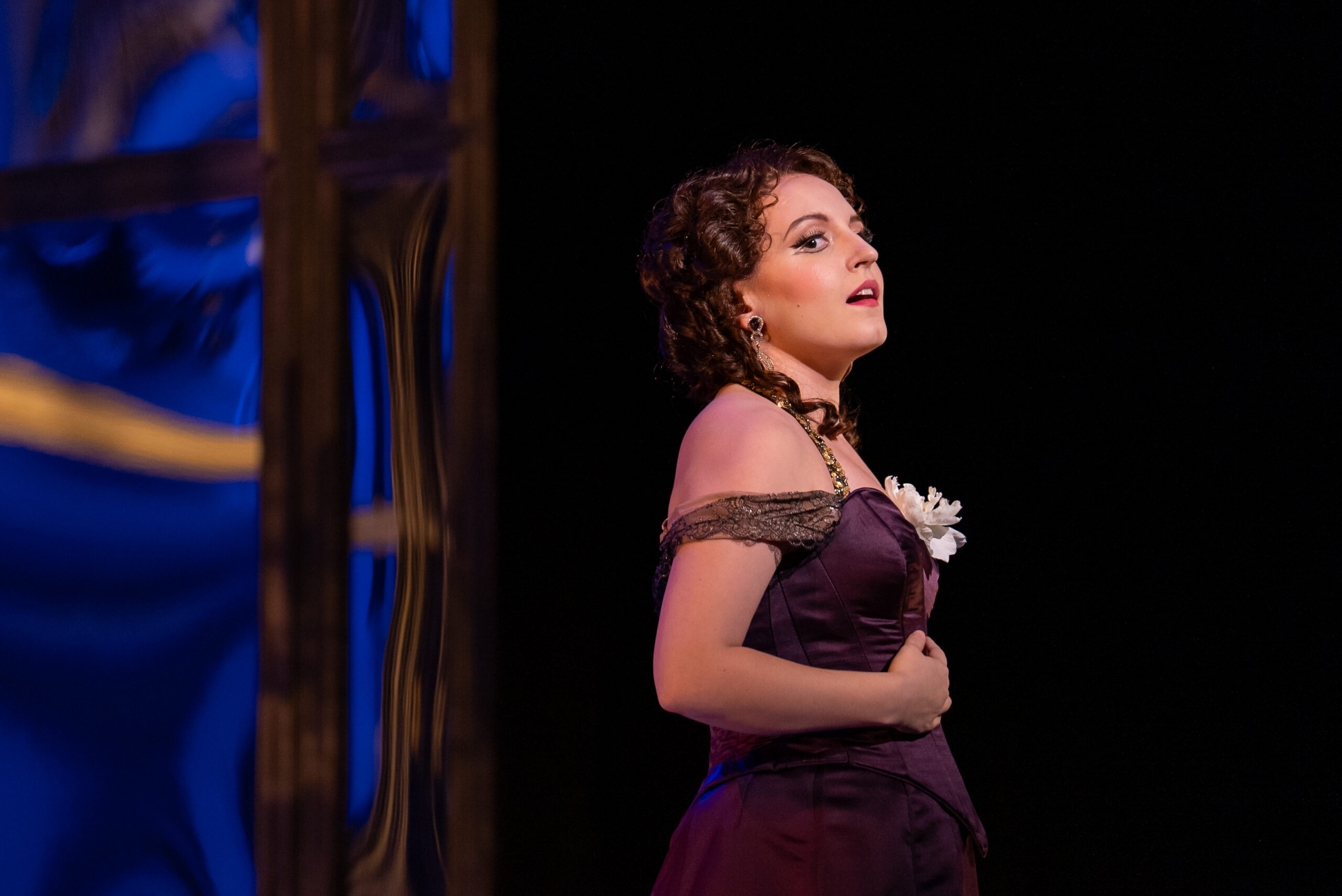
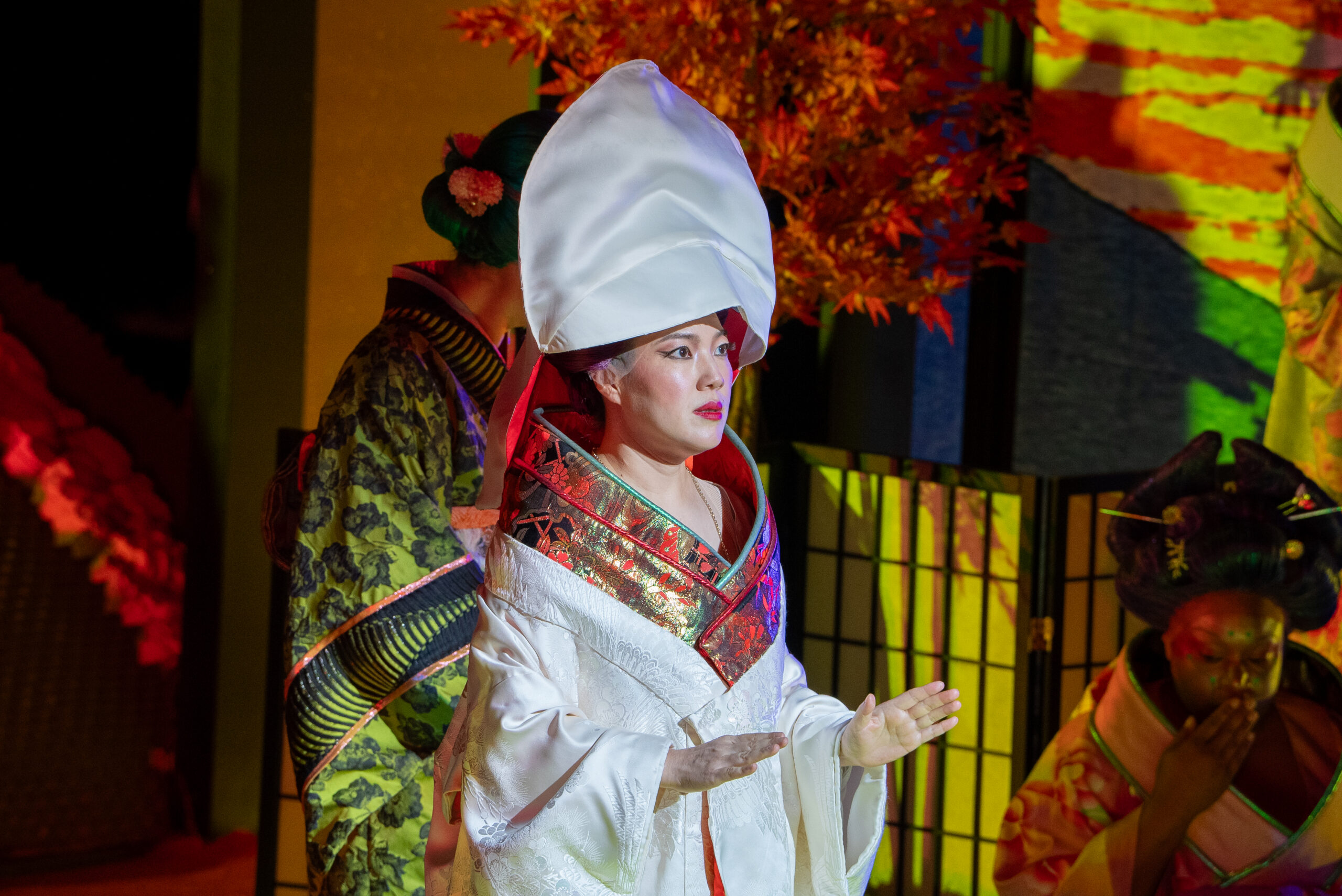
Her tragedy is that even this act does not free her. The system Scarpia represents remains intact long enough to destroy both Cavaradossi and Tosca. That is one of the opera’s bleakest insights: corrupt power does not always depend on one living villain. It can continue through orders, assumptions, procedures, and men with guns at dawn.
For modern audiences, this is why Tosca feels so current. Its politics are not abstract. It asks how fear functions. How truth is twisted. How institutions become dangerous when accountability disappears. How public virtue can mask private predation. How quickly a person can be trapped when the powerful control the story.
At the same time, Tosca remains thrilling because Puccini never lets the opera become only an argument. It is theater. It moves. It seduces. It terrifies. It gives us melody so beautiful that we feel, for a moment, the world might still be redeemed. Then it shows us how fragile that hope can be.
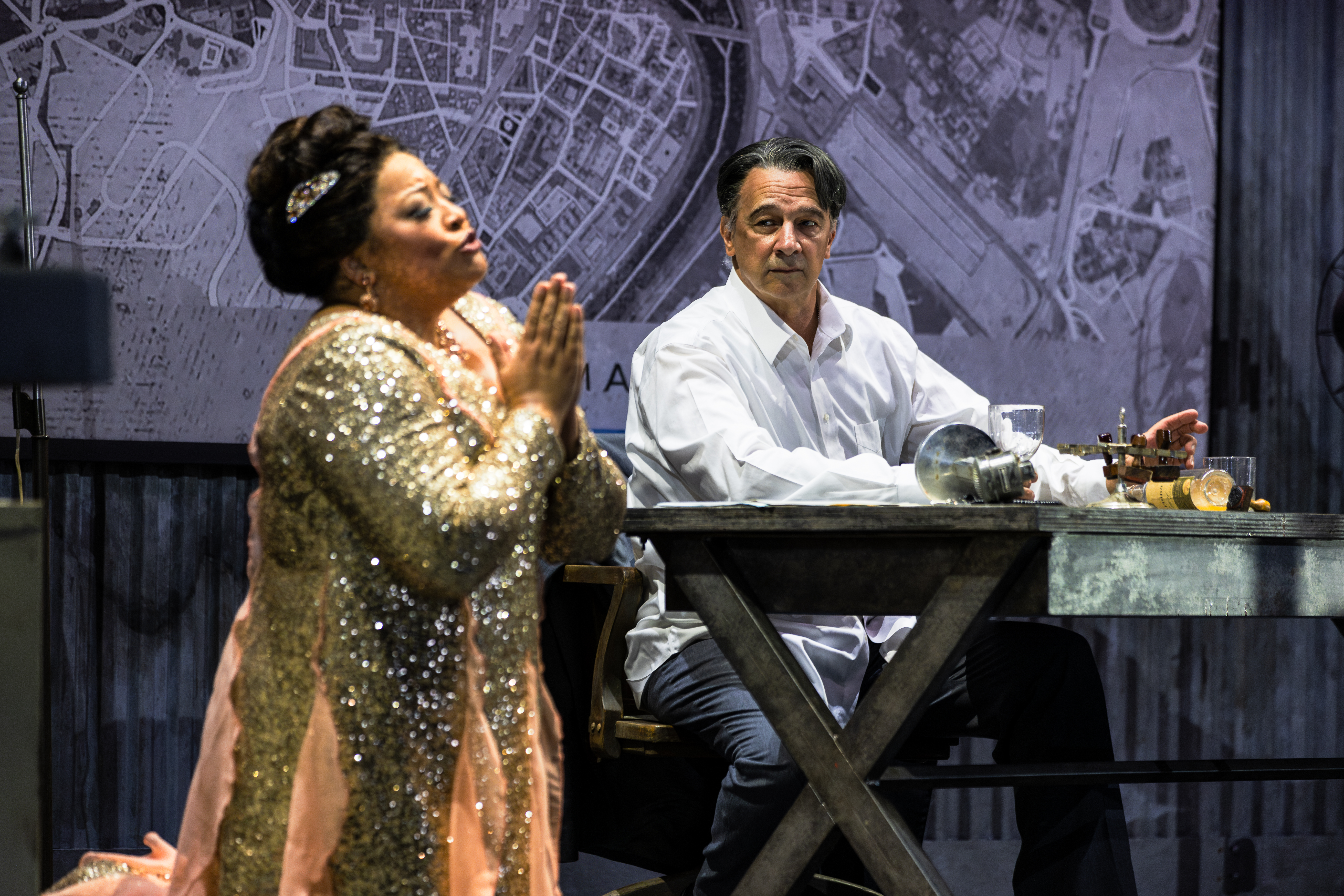
That is the paradox of Tosca: it is both gorgeous and brutal, intimate and political, sacred and profane, old and startlingly new. It belongs to the grand tradition of opera, but it also anticipates the pacing and moral tension of film noir, espionage drama, and modern political thrillers.
A fugitive. A secret. A jealous lover. A corrupt official. A false promise. A dawn execution.
Tosca does not sit politely in the museum of operatic masterpieces. It runs, hides, watches, threatens, prays, and strikes.
It is classic opera.
It is also the original political thriller.