What is (a) Happening?: Black Mountain College
By Austin T. Richey, Ph. D.
Digital Media Manager and Storyteller, Detroit Opera
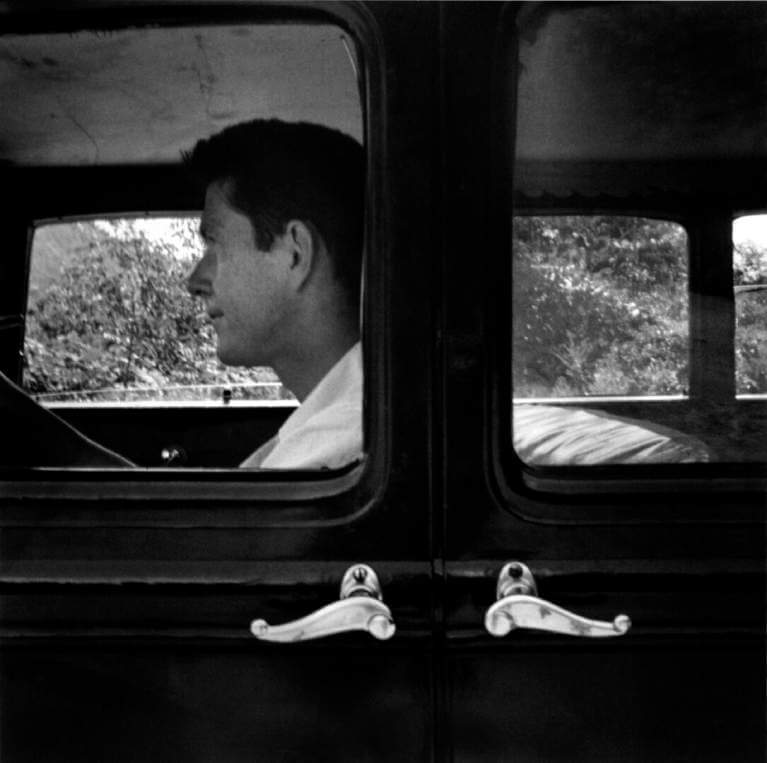
John Cage came to Black Mountain College in April 1948, during a brief stopover in Asheville, North Carolina. He, along with his partner and collaborative choreographer Merce Cunningham, was en route to the West Coast. The duo travelled to Black Mountain to reconstruct Erik Satie’s play-with-music The Ruse of the Medusa with collaborators Buckminster Fuller, and Elaine and Willem de Kooning. Despite his short stay, this visit proved to be transformative.
Four years later, in the summer of 1952, a pioneering theater event took shape under the direction of John Cage. In Black Mountain College’s dining hall David Tudor’s piano melodies filled the air, accompanied poetry recited by M. C. Richards and Charles Olsen. Robert Rauschenberg’s white paintings adorned the ceiling while he spun records, and Cage engaged the audience with his indeterminate and abstract dialogue.
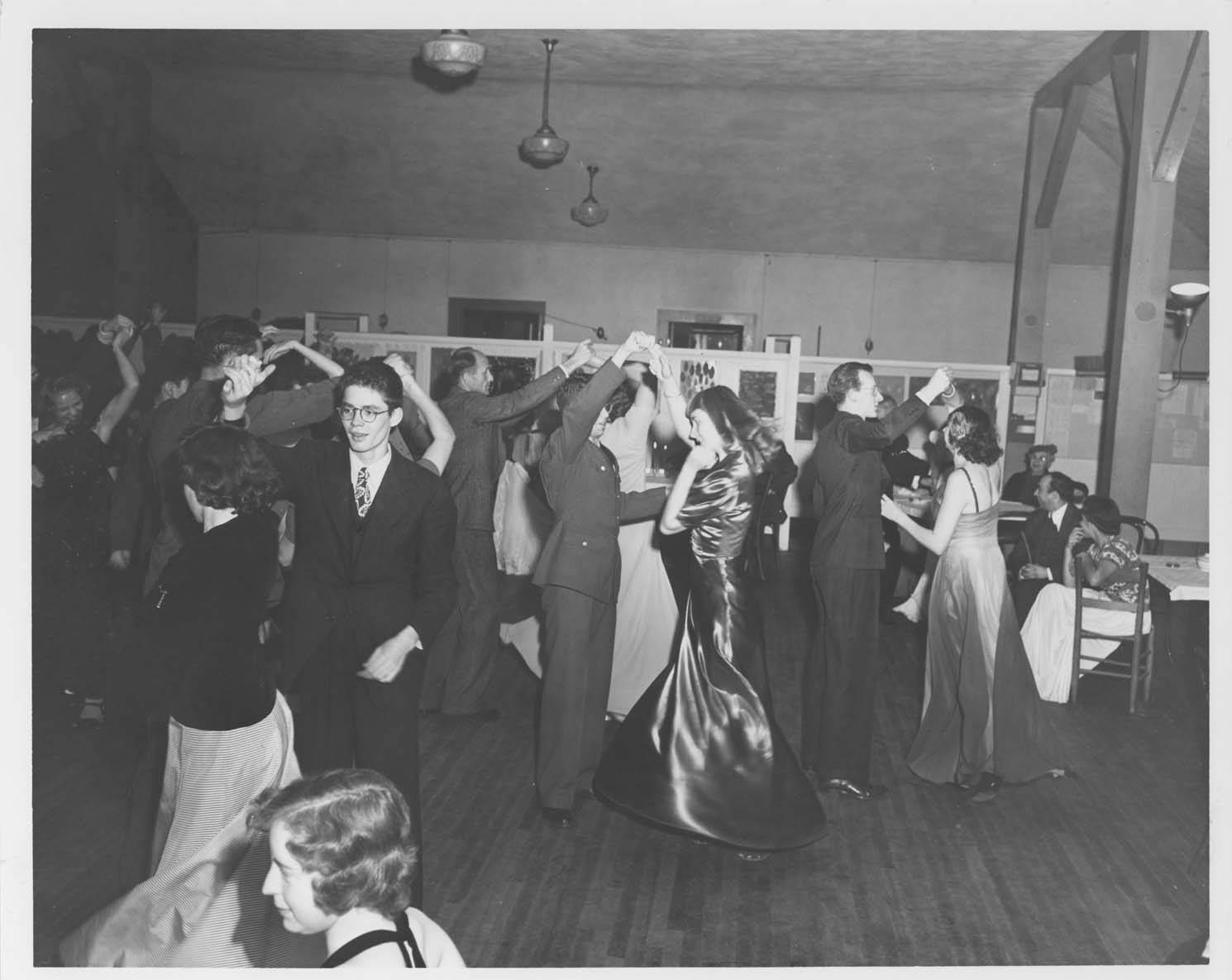
Amid all this, Cunningham took to the stage to dance. The performance lasted 45 minutes, with each participant allocated two segments of time to showcase their artistic contributions. While each artist performed simultaneously within an established bracket of time, there was no narrative or relationship between the works. Each performer navigated the shared space—like a busy but intrapersonal city sidewalk—with their own artistic intentions, not collaborating but coexisting.
In this inaugural “Happening,” performers introduced new creative practices and transcended the perceived boundaries between existence and expression. These events, the precursors to performance art, drew inspiration from the theatrical aspects of Dada—a reactionary anti-war, anti-bourgeois movement that rejected capitalism, “logic,” and “reason”—and Surrealism. At this time, chance was emerging as an important methodology for Cage’s compositions. During the Happening, known as Theater Piece No. 1, Cage set guidelines for each performer; however, he let the individual artists determine the specifics of their role within the performance, using chance to determine the course of the work. In this “circus,” as Cage would describe the Happenings and his later work Europeras, simultaneous artistic expression allowed the audience to free themselves from dramatic narrative, and instead be immersed in the sonic and visual grandeur.
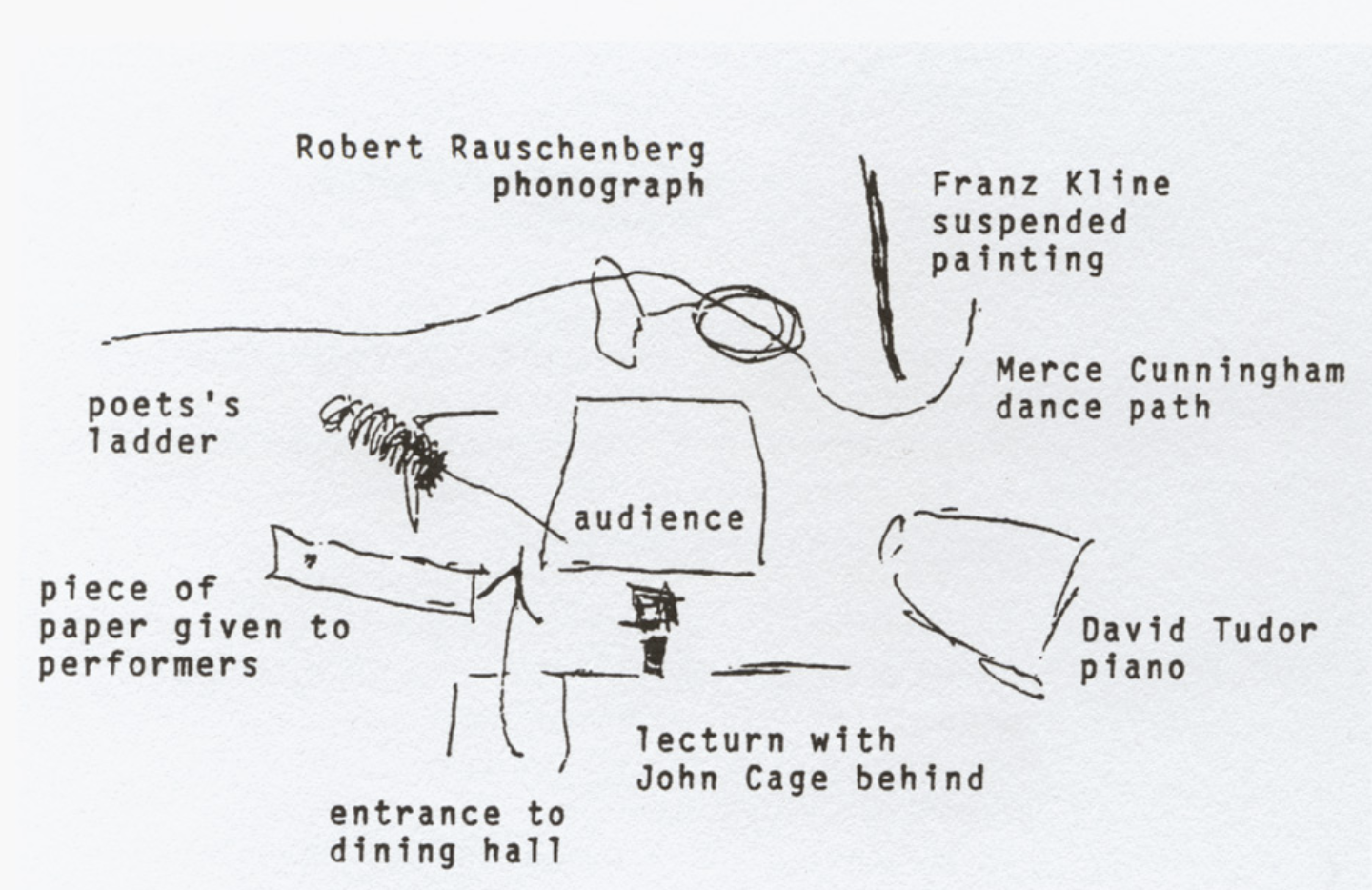
Typically staged within specially constructed environments or installations in galleries, Happenings featured light, sound, slide projections, and interactive elements. While they flourished throughout the 1960s, they eventually transformed into performances that increasingly centered on the artist’s actions. Cage’s post-Black Mountain work rallied against this individualistic focus, instead inviting the audience and performers alike to experience an event—a one-time only happening—where they determine what is important to listen to, to look at, and how to open themselves up to the totality of the performance.
At the Black Mountain Happening, Merce Cunningham recalled:
“The audience was seated in the middle of the playing area, facing each other, the chairs were arranged on diagonals, and the spectators unable to see directly everything that was happening. There was a dog which chased me around the space as I danced. Nothing was intended to be other than it was, a complexity of events that the spectators could deal with as each chose.”
This “complexity of events” is up to the audience to comprehend, or not! For Cage and his collaborators, it was in the process and performance of the process where the art was created.
Black Mountain College, Neo-Dadaism, and 4’33”
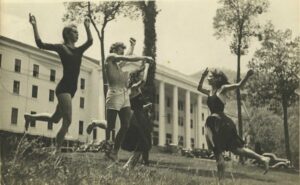
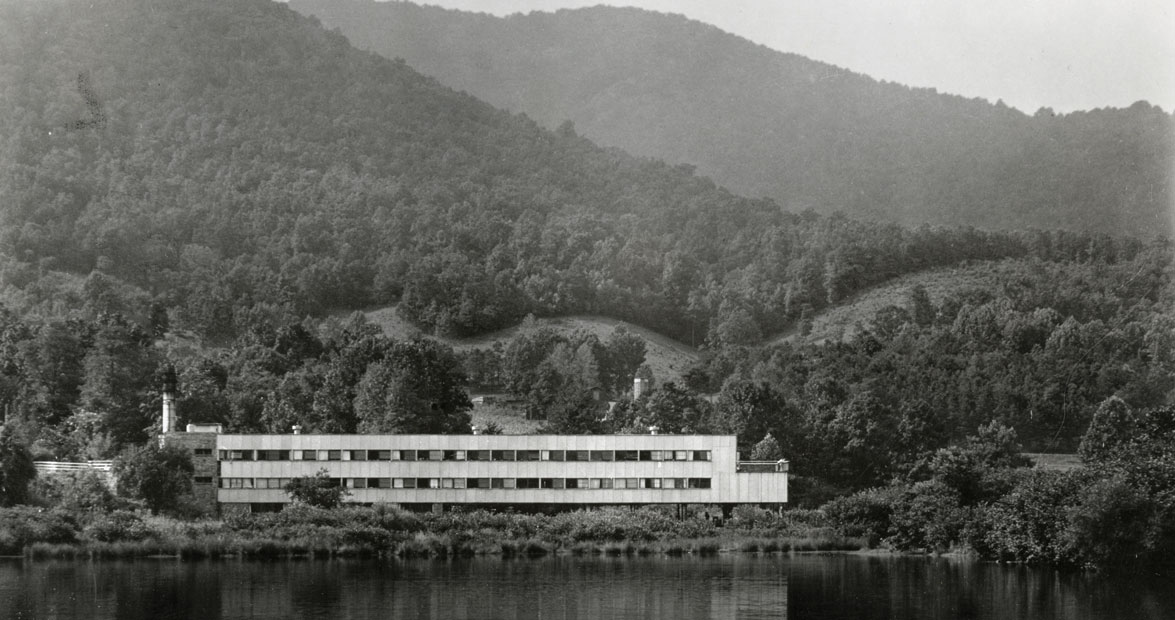
Black Mountain College, founded in 1933 in Black Mountain, North Carolina, was a progressive and experimental institution. Rejecting strict adherence to any single ideology or artistic style, the college championed the integration of art and life, experiential learning, democratic governance among students and faculty, and interdisciplinary collaboration. With renowned faculty including Robert Motherwell, Elaine and Willem de Kooning, and Franz Kline, Black Mountain became a hub for Abstract Expressionist painting during the ’40s and early ’50s.
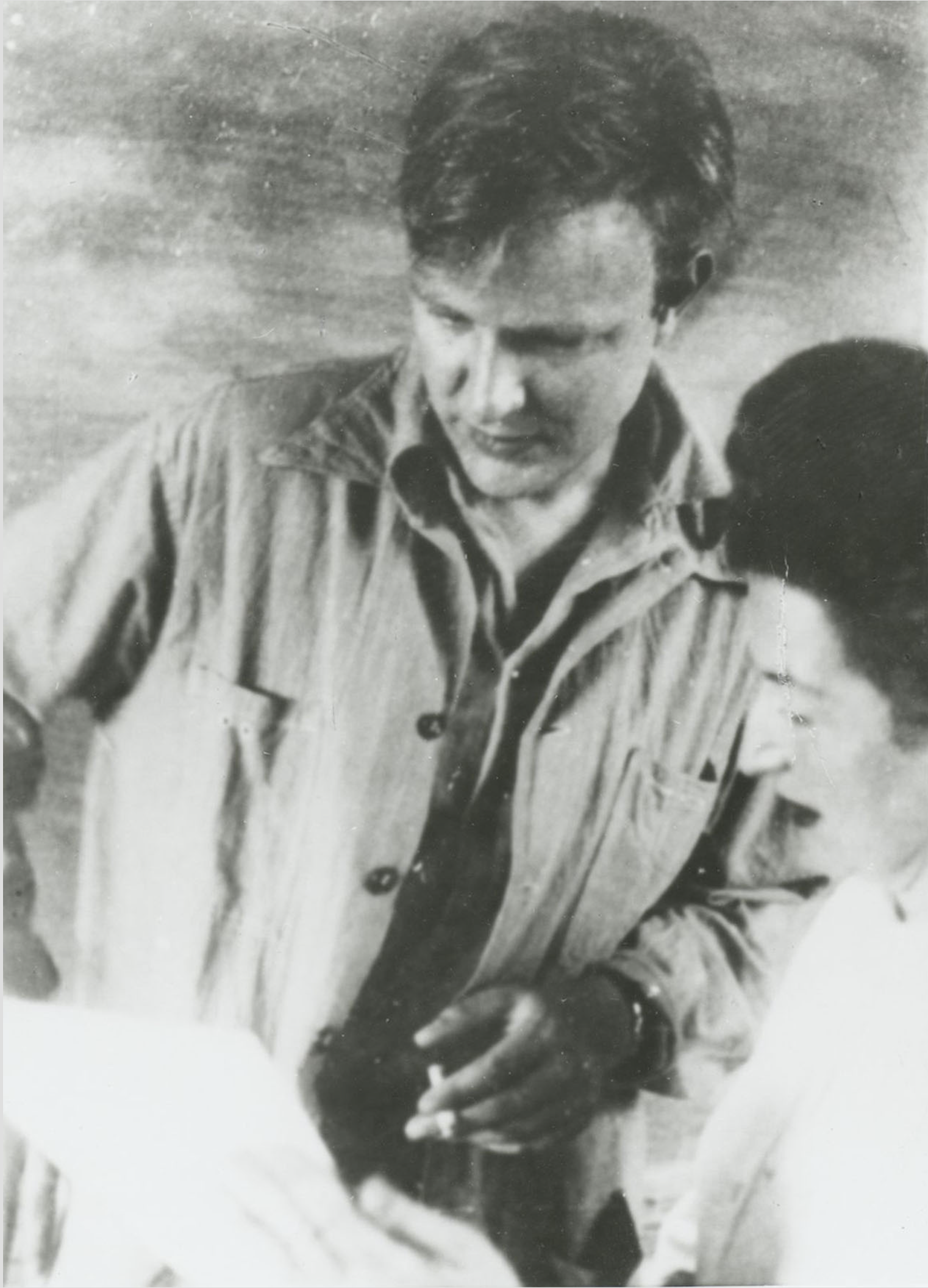
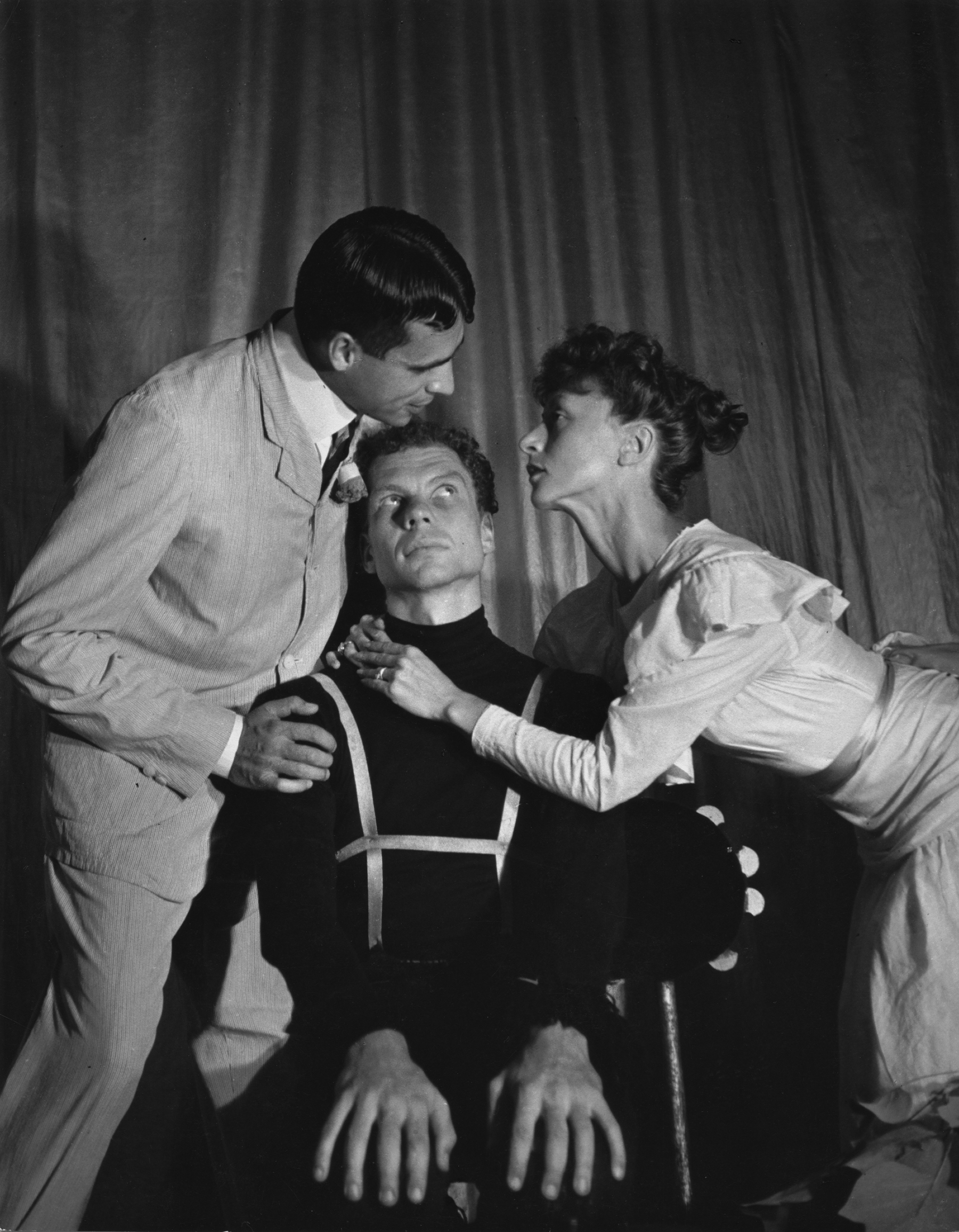
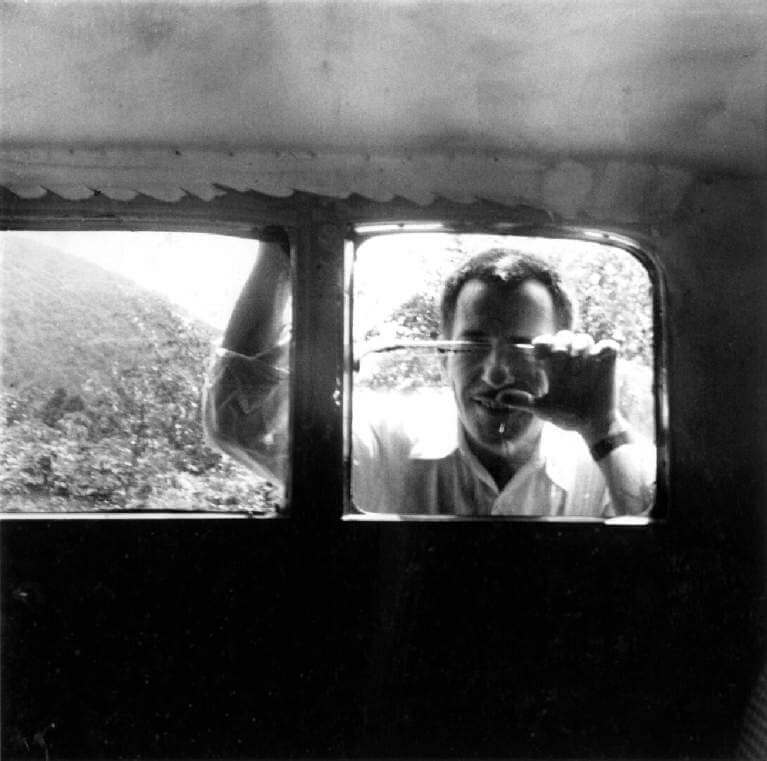
Cage would return to the college a handful of times during this period; his most infamous work, 4’33”, was composed while at Black Mountain in 1952. This 1952 visit was a critical moment in the careers of Cage and his Black Mountain collaborators; Cage also composed his Sonatas and Interludes, Rauschenberg began his monochromatic “White Paintings” period, Cunningham officially established the Merce Cunningham Dance Company, and Fuller began work on the geodesic dome.
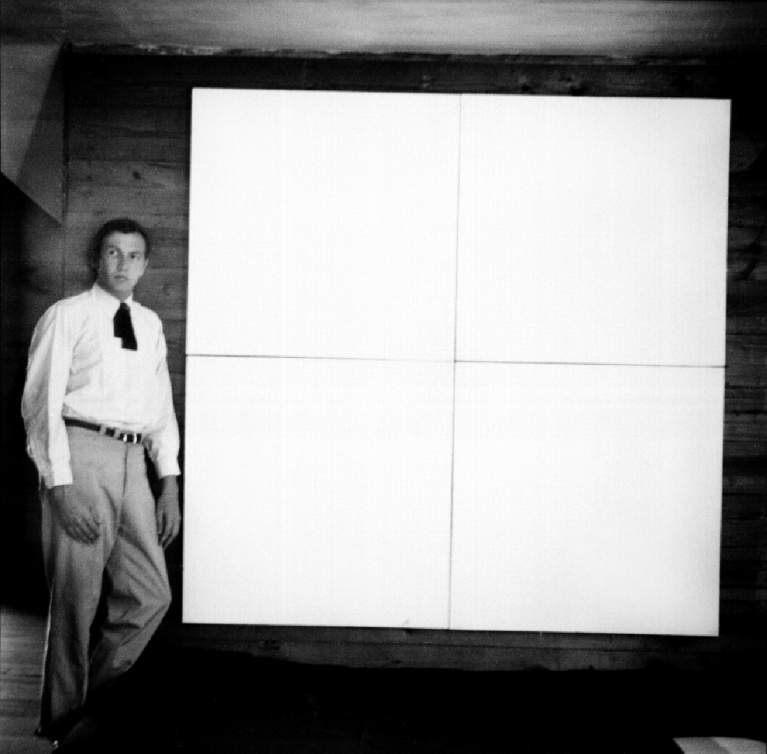
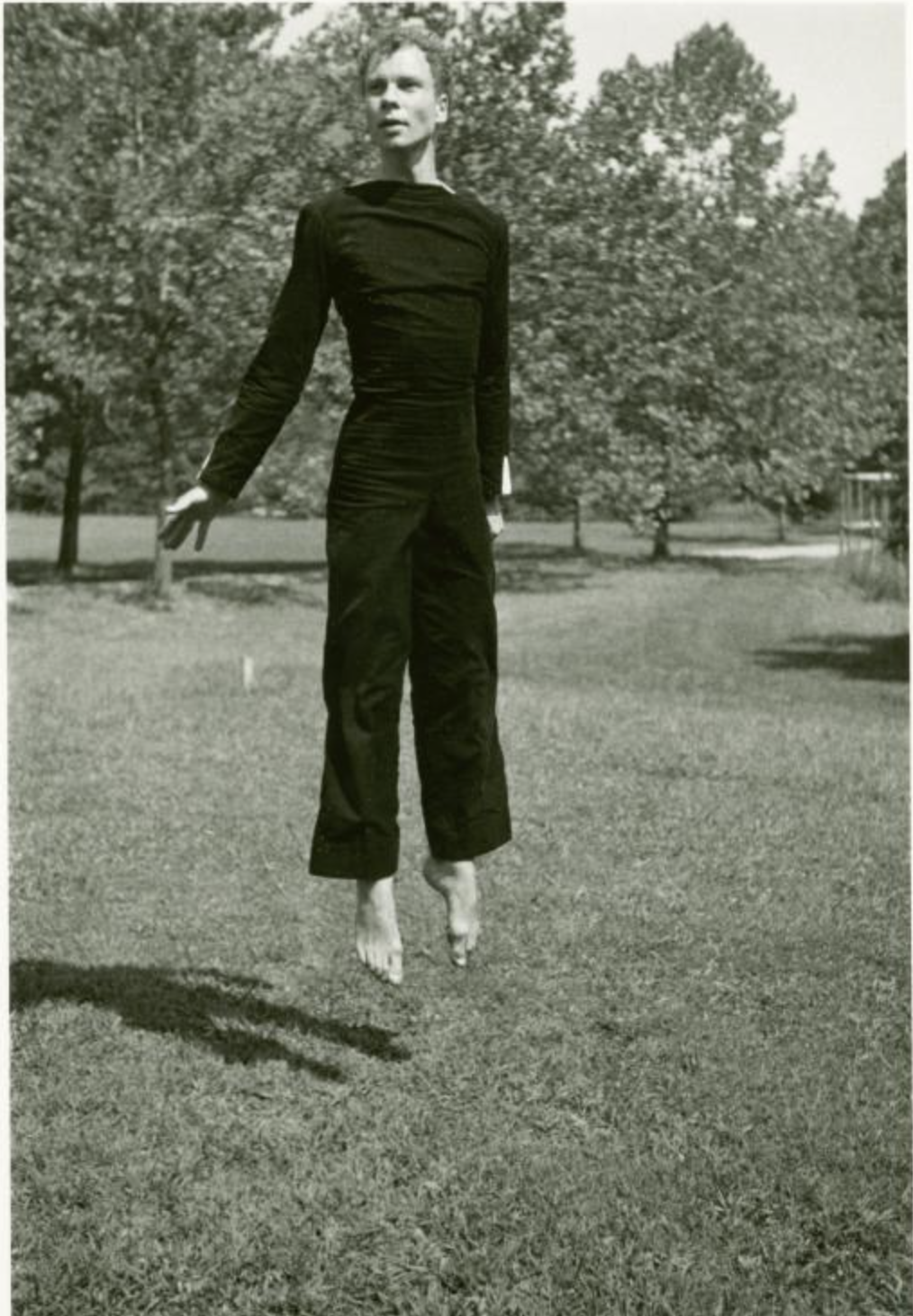
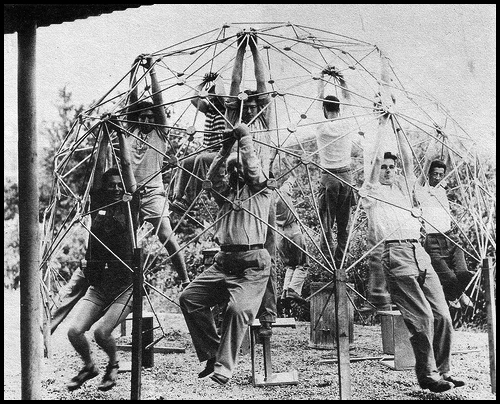
During his tenure as a professor at Black Mountain College, John Cage solidified certain principles that would become synonymous with Neo-Dadaism, notably emphasizing the significance of chance in artistic creation and asserting the artist’s authority in defining art and its production. Cage sparked controversy—a constant for Cage and his music, even today—with 4’33”, a three-movement composition in which a solo musician is required to sit in complete silence for the entire duration, allowing ambient sounds from nature and the audience to become the music.
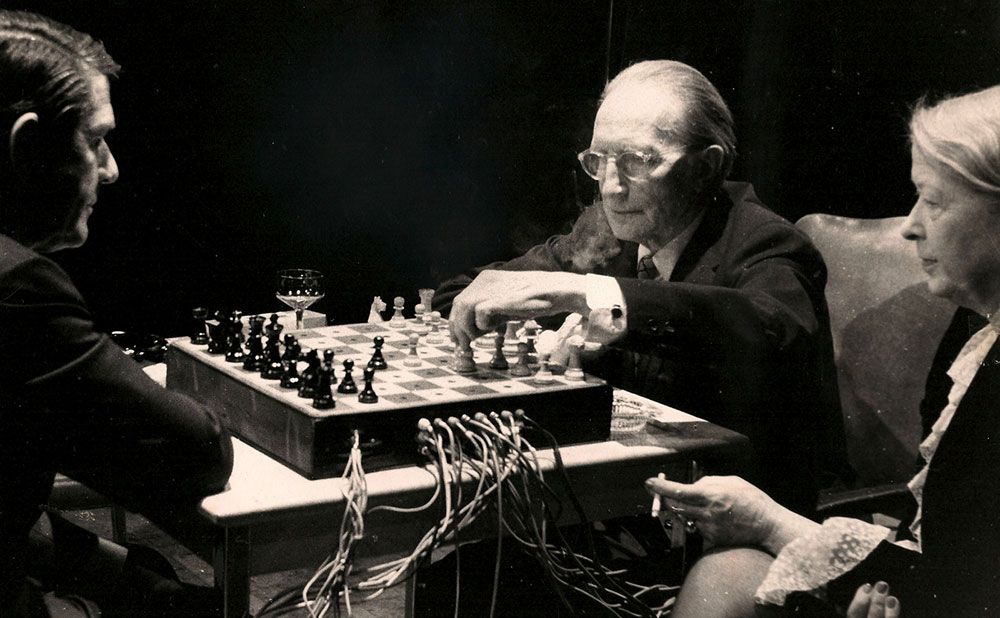
This seemingly paradoxical and spontaneously conceived piece directly challenged prevailing norms in music, composition, and performance. The work aligns with the tradition of Marcel Duchamp’s Dadaist practices, which were characterized by satire, irony, self-effacement, and a departure from the formal conventions of traditional avant-garde art. Duchamp and Cage were friends and collaborators, most notably in the 1968 performance of Reunion: a chess board, wired with conductive points between the pieces and the play area, creates new sounds and textures with each players’ moves, thereby bringing the artists’ shared love of the game and abstraction together.
Throughout his career, John Cage continued to produce compositions and performances that embraced external influences and controlled chance, shifting the focus of artistic creation from the artist’s emotional expression to the surrounding external environment.
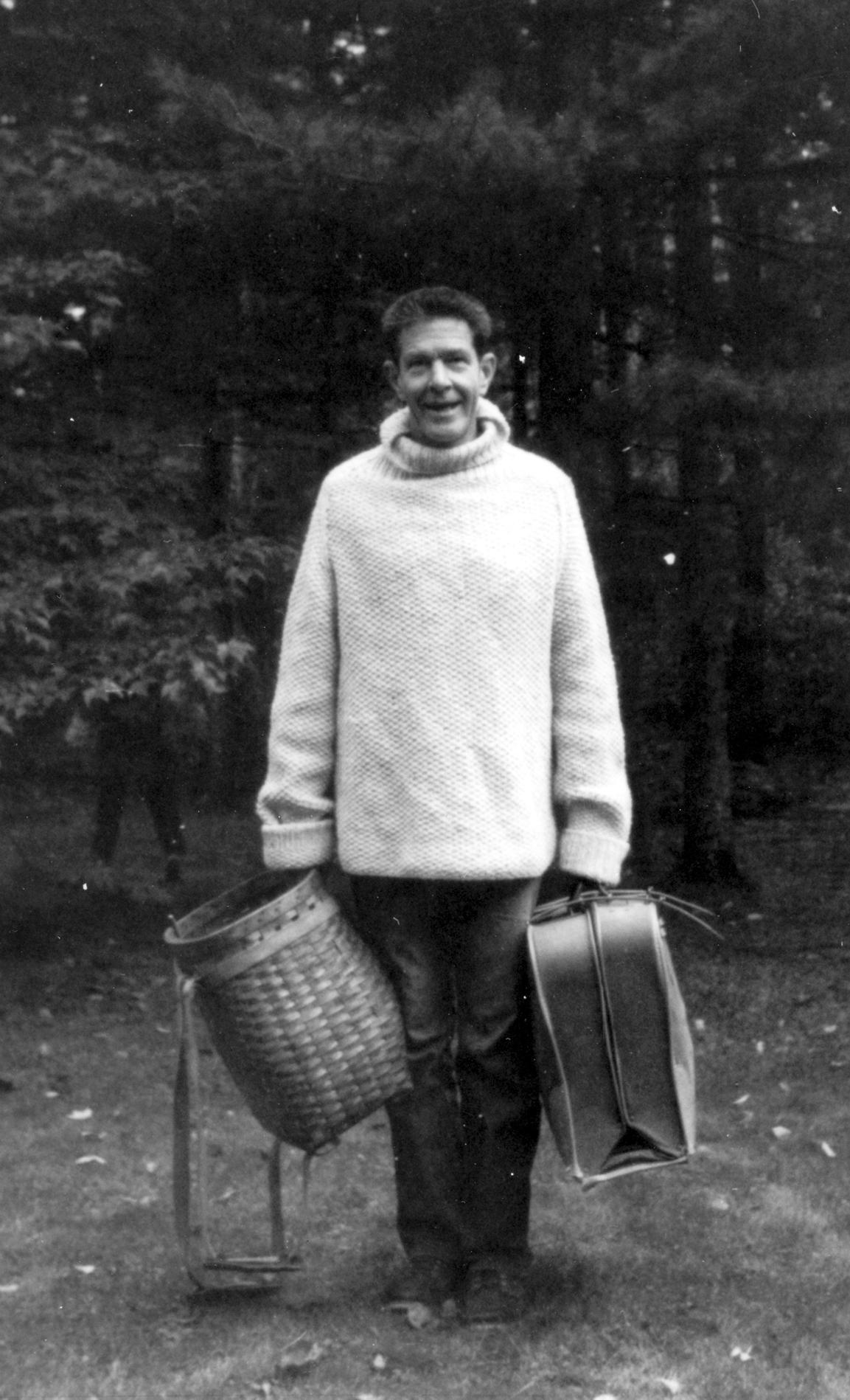
During his time at Black Mountain, Cage delivered lectures on the incorporation of aleatory processes, or chance elements, and Eastern philosophies such as Zen Buddhism, both in artistic creation and daily life. One of Cage’s students, Robert Rauschenberg, under the influence of these teachings, ventured into unconventional artistic methods. This included employing an automobile tire to produce prints and painting canvases entirely white, emphasizing their reflective quality and the surrounding environment as the primary subject matter. Similarly, Cunningham focused on merging elements of modern dance and classical ballet with his innate natural ability and what he termed “animalistic grace,” thereby aligning dance with performance art. While numerous individual works and moments contributed to shaping the Neo-Dada aesthetic, Theatre Piece No. 1 encapsulated the movement’s core principles: chance, individuality, interaction with the audience, and integrating multiple artistic media into a cohesive whole.
RELATED POSTS
Cage vs. Chaos
Cage vs. Chaos: Is John Cage Really About Disorder? Is the composer of silence really an apostle of randomness — or something far more disciplined? By Austin T. Richey, Ph. D. Digital Media Manager and Storyteller, Detroit Opera John Cage at Britain’s Huddersfield Contemporary Music Festival in 1989. James Fraser/Rex Features. John Cage is...
learn More
John Cage’s Detroit: Early Years
John Cage’s Detroit: Early Years By Austin T. Richey, Ph. D. Digital Media Manager and Storyteller, Detroit Opera John Cage during his 1966 concert at the opening of the National Arts Foundation in Washington, D.C. Image: Rowland Scherman / Getty Images. “The first question I ask myself when something doesn’t seem to be beautiful is...
learn More
John Cage’s Detroit: Sounds of Silence
John Cage’s Detroit: Sounds of Silence By Austin T. Richey, Ph. D. Digital Media Manager and Storyteller, Detroit Opera The 1950s saw Cage toying with the very foundational ideas of composition. After receiving a copy of the I-Ching—a classic Chinese divination tool—from a pupil, Cage began employing the text to elicit chance procedures in his...
learn More