Cage vs. Chaos: Is John Cage Really About Disorder?
Is the composer of silence really an apostle of randomness — or something far more disciplined?
By Austin T. Richey, Ph. D.
Digital Media Manager and Storyteller, Detroit Opera
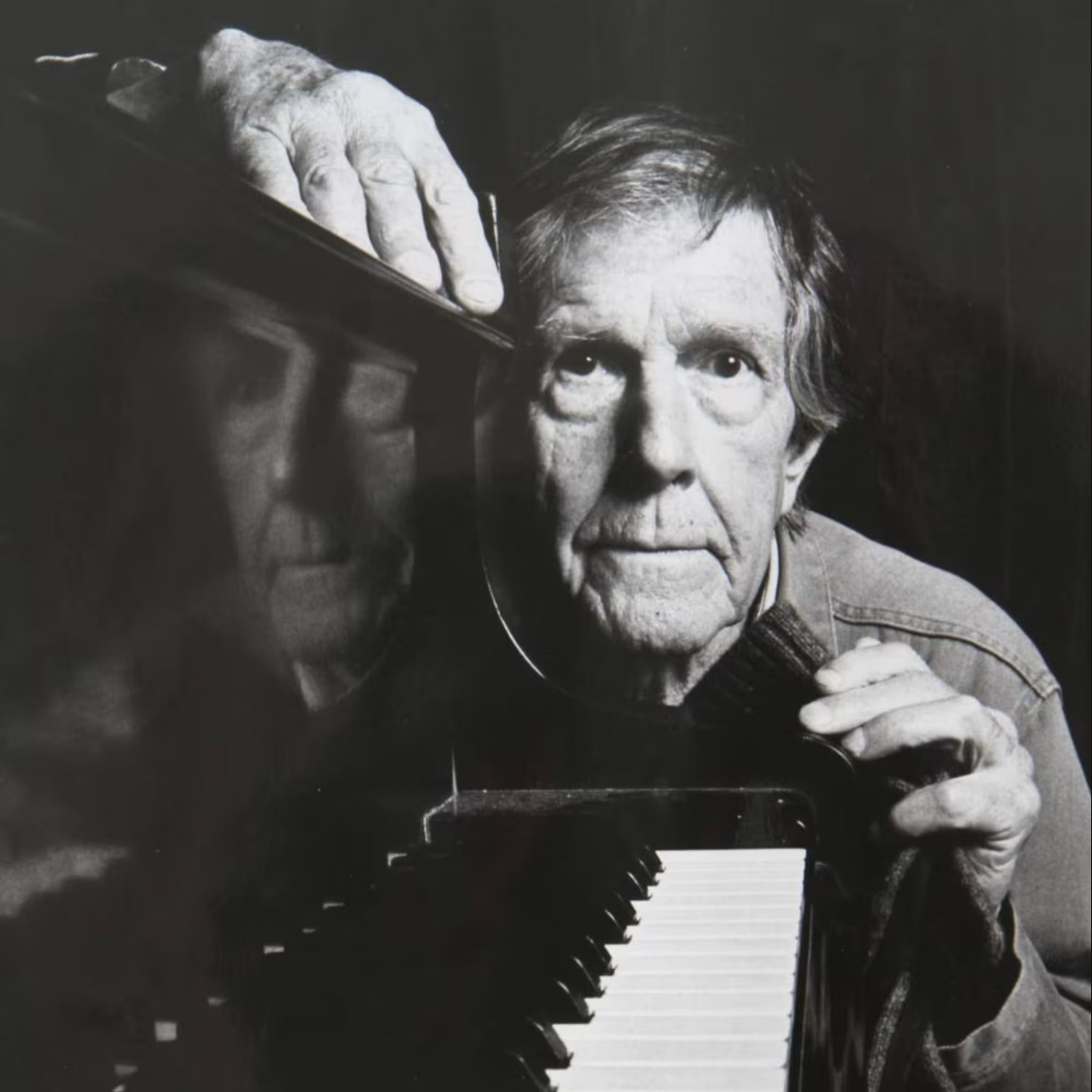
John Cage is one of those composers whose name often arrives with a ready-made myth. For some listeners, he is the apostle of randomness: the composer of silence, chance, noise, mushrooms, and happenings; the man who supposedly threw open the doors of classical music and let chaos pour in. That myth is understandable. Cage did more than perhaps any major twentieth-century composer to challenge inherited ideas about control, intention, and musical order.
But it is also incomplete.
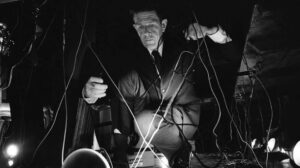
Cage was not simply interested in chaos. He was interested in what happens when control is redefined. His work does not abolish structure; it redistributes it. And Apartment House 1776, the extraordinary bicentennial work presented by Detroit Opera at Cranbrook Art Museum, is one of the best examples of that distinction. The piece is immersive, mobile, and multi-centered. Different musical strands coexist in space. Audiences move through the environment and encounter layered vocal and instrumental materials.
Yet none of this means “anything goes.” It means that order no longer looks like a single line moving from beginning to end.
Chance: Not the Same as Disorder
Cage famously used chance operations in many works, often drawing on procedures derived from the I Ching to make compositional decisions.
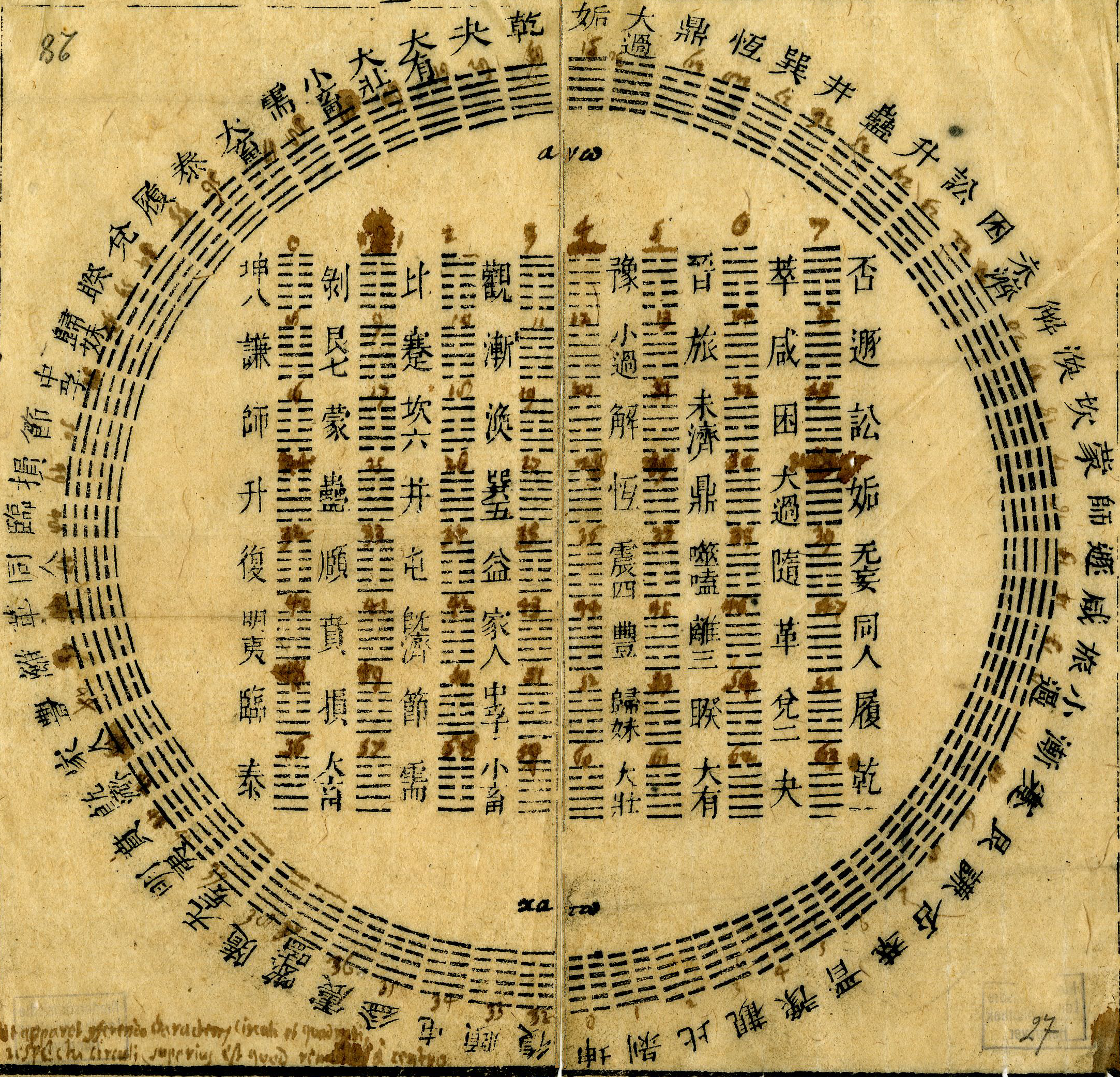
To many outsiders, this sounds like surrender: the composer stepping back and allowing accident to replace craft. But chance, for Cage, was not a celebration of mess for its own sake. It was a disciplined method for reducing the dominance of personal taste. Cage said, “Our intention is to affirm this life, not to bring order out of chaos, nor to suggest improvements in creation, but simply to wake up to the very life we’re living, which is so excellent once one gets one’s mind and desires out of its way and lets it act of its own accord.”1
That is very different from chaos. The composer designs the conditions. The work unfolds within them. Surprise is built into the system. Apartment House 1776 is associated with Cage’s “musicircus” concept, in which different musical events occur simultaneously without being forced into exact coordination.
Some of the piece’s materials were also recomposed from earlier American music through chance procedures, and the work gave rise to a separate work, 44 Harmonies from Apartment House 1776.
The effect can sound unpredictable, but unpredictability is not the same as formlessness. Cage is making a structure in which multiple independent paths remain possible.
Opera: Conquering Chaos
Opera can stage chaos brilliantly: political upheaval, erotic confusion, mistaken identity, revenge, mass panic, divine judgment. But musically, opera usually organizes that chaos into compelling shape. Ensemble scenes may depict confusion, yet the composer knows exactly when voices enter, when harmonies change, when the orchestra drives the action forward.
Mozart is a master of this. In the great finales of Le nozze di Figaro or Don Giovanni, characters collide in states of confusion and overlapping motive, but the music remains astonishingly precise. Verdi does something similar on a larger public scale, especially in scenes where crowd, state, and individual will come into conflict. Even Richard Strauss, whose orchestral textures are so heavy that they can feel overwhelming, never ceases to compose with fierce directional control.
With Cage, instead of the composer standing above the field, sculpting total coherence, he permits coexistence without full synthesis. There is still design, but it is a design of independence. Apartment House 1776 can feel both operatic and anti-operatic at once. It uses voices, ritualized listening, and spatial drama — things opera knows well. But it also rejects the fully centralized command structure that opera often depends on.
Controlled Uncontrol at the Museum
At the Cranbrook Art Museum, audiences for Detroit Opera’s Apartment House 1776 move freely through the galleries, choosing their own paths through four interwoven vocal journeys. That may sound chaotic on paper. In practice, it produces a different kind of order: one built through location, pacing, attention, and personal route.
For Cage, complexity does not require a single focal point. A city is not chaotic simply because many things happen at once. A building is not chaotic because different rooms contain different activities. An ecosystem is not chaotic because no single organism controls it. These environments have patterns, densities, thresholds, and zones of relation. Cage composes more like that than like a 19th-century dramatist.
The listener’s role changes: You are not asked to receive one ideal version of the work. You are asked to navigate it. That can be disorienting, but disorientation is not failure. It is a way of recognizing how you listen.
Cage: Letting Sounds Be Themselves
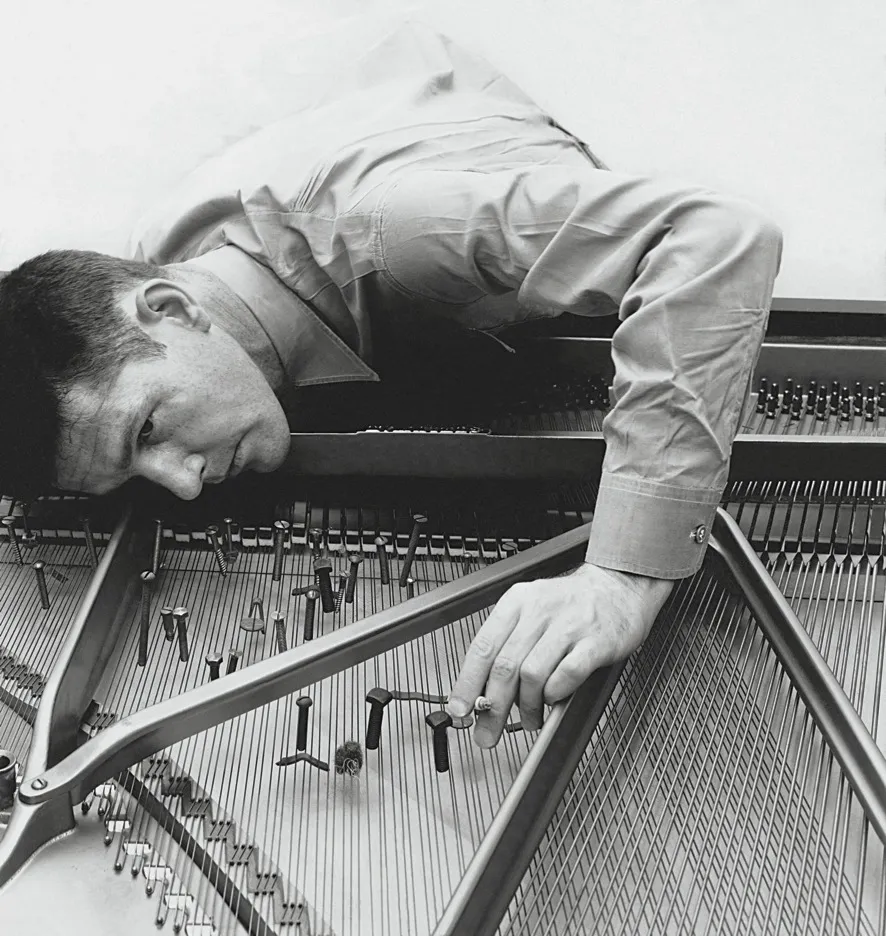
Part of the resistance to Cage — especially in classical circles — comes from a fear that without centralized control, then surely all hierarchy collapses and meaning disappears. Cage’s work argues that meaning can emerge from attention rather than domination. That is a profound challenge to the classical tradition, which has often prized the strongly authored object. The symphony, the opera, the sonata — these forms frequently rely on development, argument, return, and resolution. Cage does not necessarily reject those achievements. He simply shows that they are not the only model for serious listening.
In that sense, Cage’s work belongs alongside other 20th-century challenges to musical authority. One hears distant affinities with Morton Feldman’s quiet durational attention, with Pauline Oliveros’s expanded listening practices, even with aspects of minimalism that ask listeners to perceive slow change rather than dramatic teleology. Cage’s version, though, is uniquely tied to the ethics of letting sounds be themselves.
What Is the Opposite of Chaos?
In Apartment House 1776, the opposite of chaos is not order in the usual sense. Not control from above. Not a patriotic unison. It is coexistence with form.
The theme of coexistence is what makes the piece so powerful in relation to American history. Cage wrote it for the bicentennial, yet rather than presenting 1776 as a single triumphant story, he offered multiplicity: multiple traditions, multiple centers, multiple simultaneous realities. For a work tied to the nation’s founding, that is a remarkably unsimplified gesture.
Apartment House 1776 remains relevant. We still live amid overlapping narratives, contested histories, and competing claims on public space. Cage’s answer is not to pretend those tensions can be dissolved into one pure voice. His answer is to compose a situation in which they remain audible together.
That is not chaos. It is a difficult, generous, disciplined form of listening.
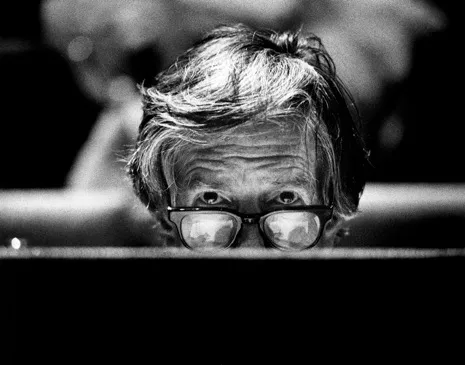
Perhaps that is why Cage still matters so much to opera and classical music. He reminds those traditions that structure need not always announce itself as authority. Sometimes it appears as openness. Sometimes it sounds like several rooms lit at once. Sometimes it asks not for obedience, but for attention.
1 John Cage, Where the Heart Beats: John Cage, Zen Buddhism, and the Inner Life of Artists
RELATED POSTS
A Timeline of the Detroit Opera House
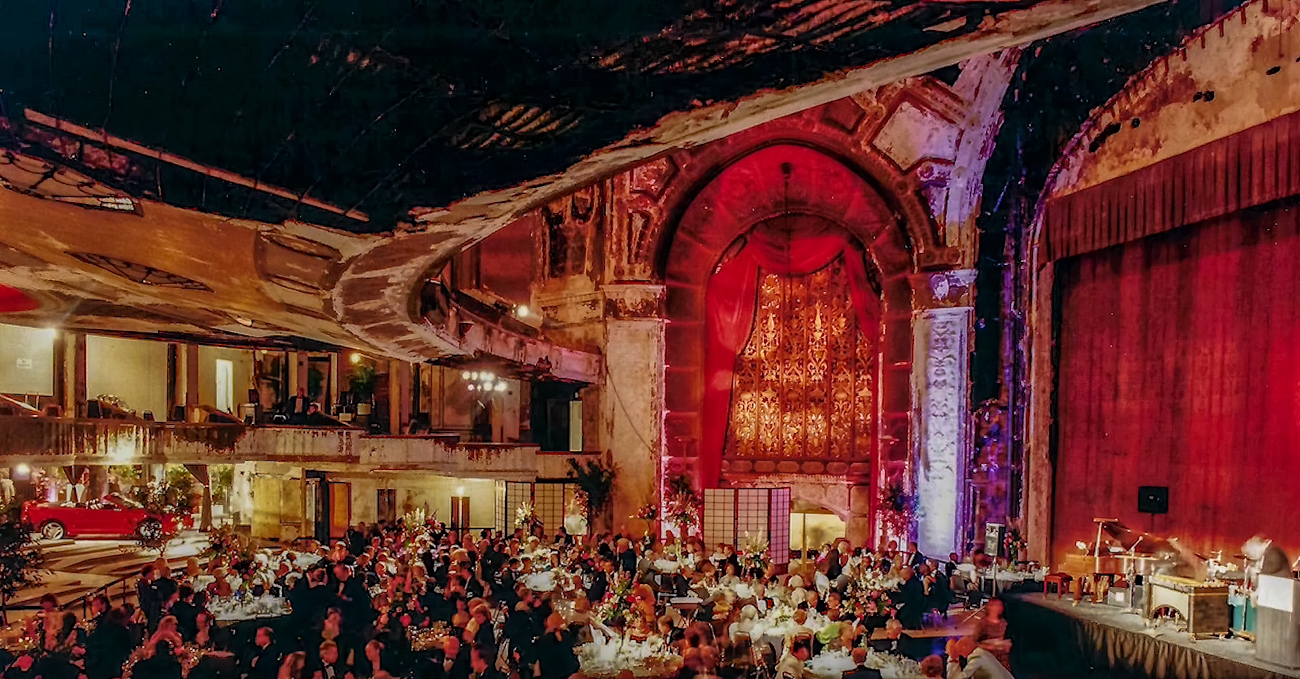
A Timeline of the Detroit Opera House By Austin T. Richey, Ph. D. Digital Media Manager and Storyteller, Detroit Opera 1896 The Detroit Opera House c. 1896. Burton Historical Collection. Detroit’s first public motion picture screening takes place at the earlier Detroit Opera House on Campus Martius — a fitting prelude to the long entertainment...
learn More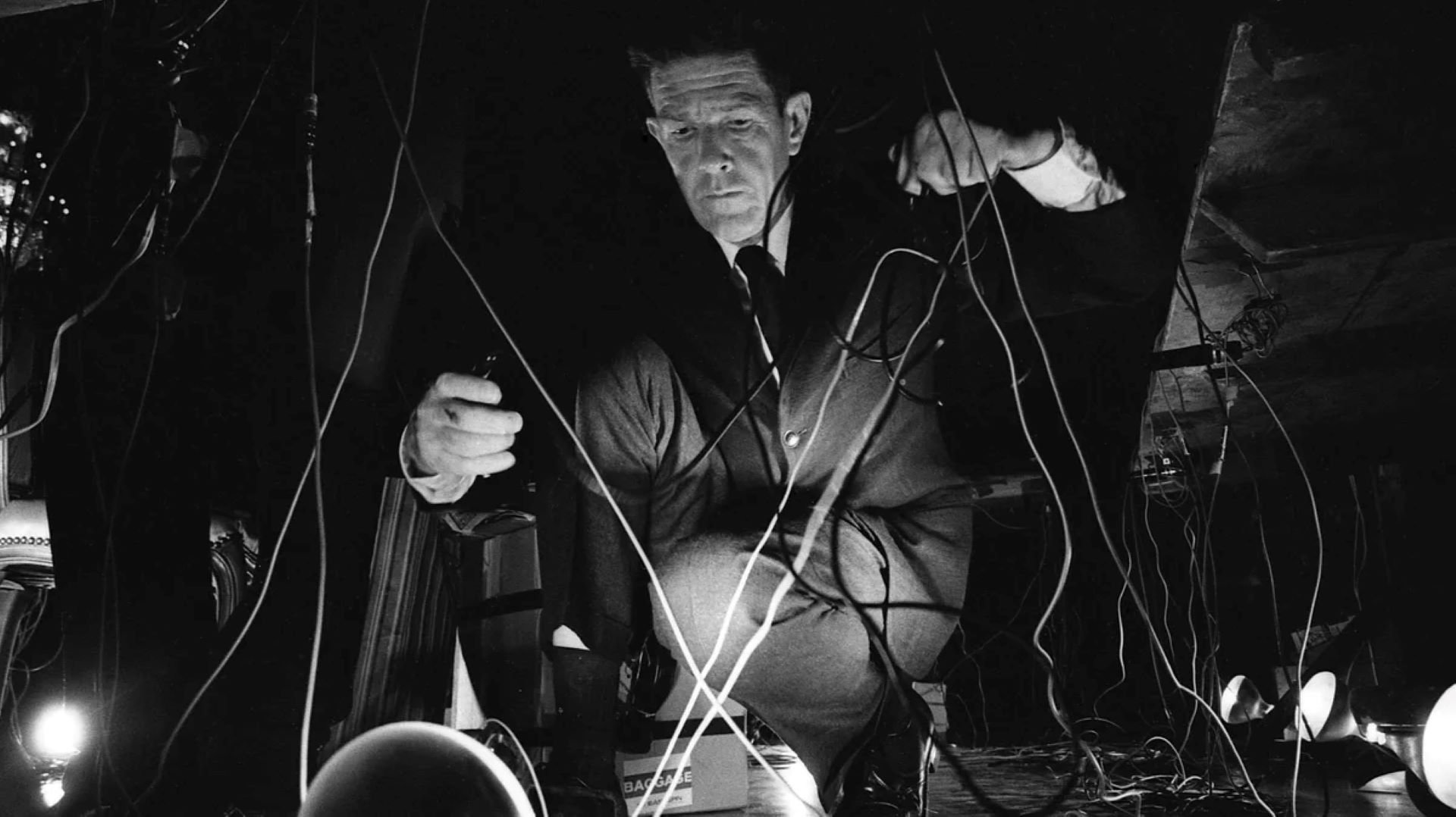
John Cage’s Detroit: Early Years
John Cage’s Detroit: Early Years By Austin T. Richey, Ph. D. Digital Media Manager and Storyteller, Detroit Opera John Cage during his 1966 concert at the opening of the National Arts Foundation in Washington, D.C. Image: Rowland Scherman / Getty Images. “The first question I ask myself when something doesn’t seem to be beautiful is...
learn More
John Cage’s Detroit: Sounds of Silence
John Cage’s Detroit: Sounds of Silence By Austin T. Richey, Ph. D. Digital Media Manager and Storyteller, Detroit Opera The 1950s saw Cage toying with the very foundational ideas of composition. After receiving a copy of the I-Ching—a classic Chinese divination tool—from a pupil, Cage began employing the text to elicit chance procedures in his...
learn More