Detroit Opera: A History of Reinvention, Ambition, and Belonging
By Austin T. Richey, Ph. D.
Digital Media Manager and Storyteller, Detroit Opera
Detroit Opera’s history is larger than a building, and larger than a single founder’s extraordinary vision. It is the story of how an educational program became a nationally significant opera company; how a historic downtown theater was brought back to life; and how opera in Detroit kept evolving in step with the city around it. The company began as Overture to Opera in the 1960s, became Michigan Opera Theatre in 1973, and in 2022 took on the name Detroit Opera, one that most clearly reflects what it has long been: a company of Detroit, rooted in Detroit, and shaped by Detroit.
Before Detroit Opera
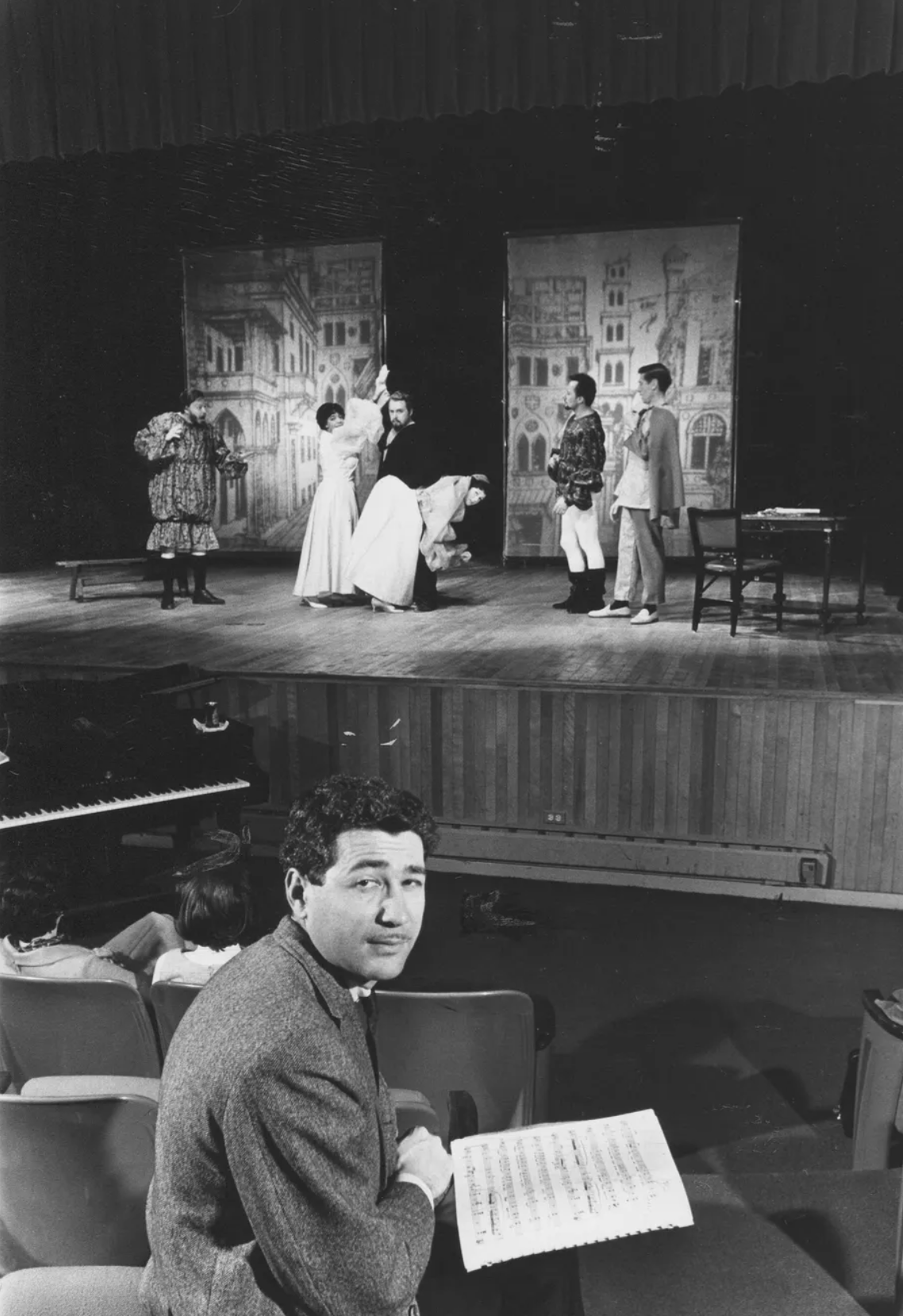
The institutional story begins in 1963, when Dr. David DiChiera, then a young assistant professor of music at Oakland University, was asked to take over Overture to Opera, the educational program of the Detroit Grand Opera Association. The DGOA’s primary role was to sponsor annual Detroit visits by New York’s Metropolitan Opera, and Overture to Opera functioned, at first, as a kind of companion initiative: an outreach arm designed to prepare audiences for those tours through narrated scenes, excerpts, and introductory programming. In other words, it was not yet a full producing company. It was an educational bridge between Detroit audiences and the operas they would encounter when the Met came to town.
Under DiChiera, however, it quickly became something more ambitious. He expanded performances, built local casts and production teams, and widened the program’s scope. By 1967, the company had mounted its first complete work, the Michigan premiere of Cherubini’s rarely performed one-act opera The Portuguese Inn; by 1968, Menotti’s The Medium, starring and directed by Sal Mineo, marked its first performances with an orchestra made up of Detroit Symphony Orchestra musicians. The season included 21 performances at 16 different locations.
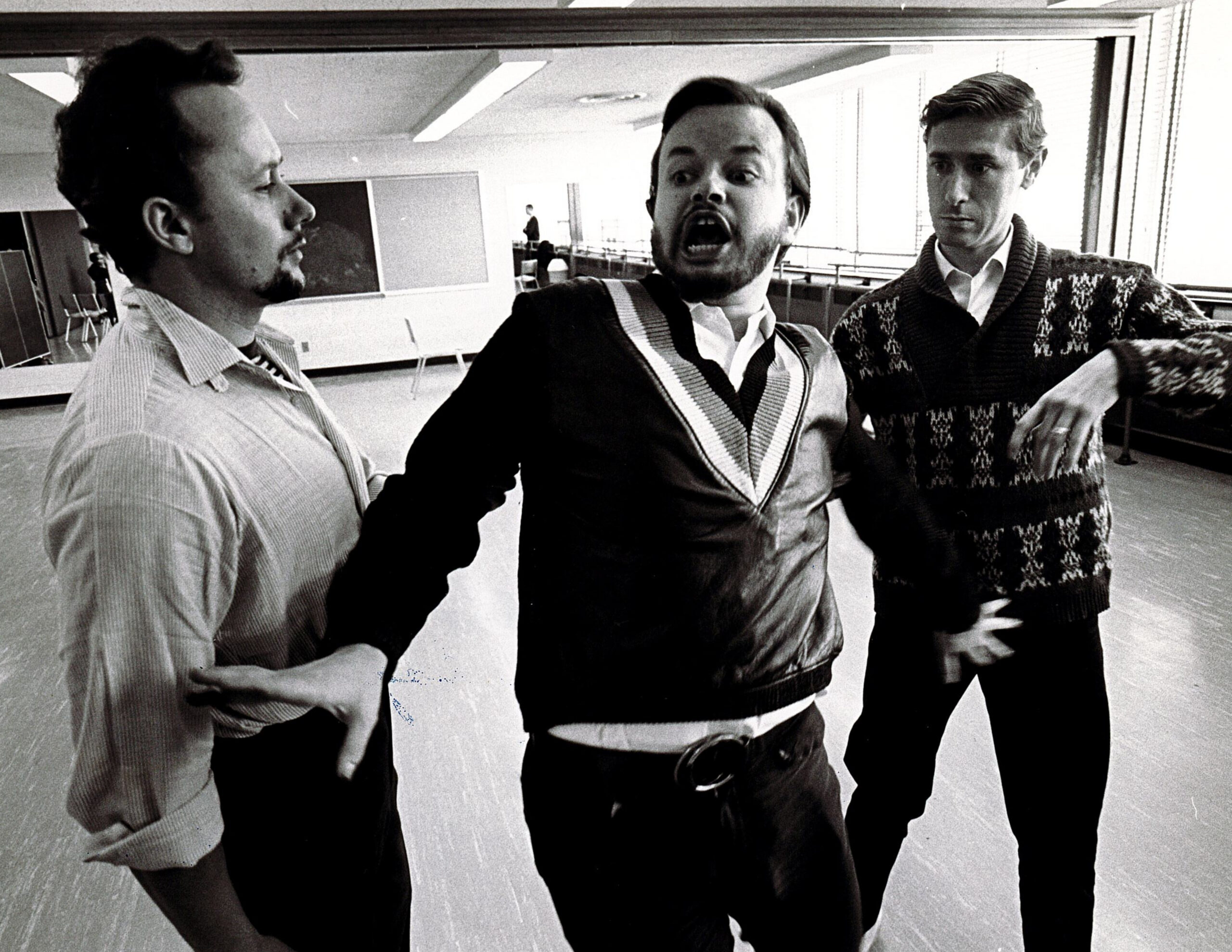
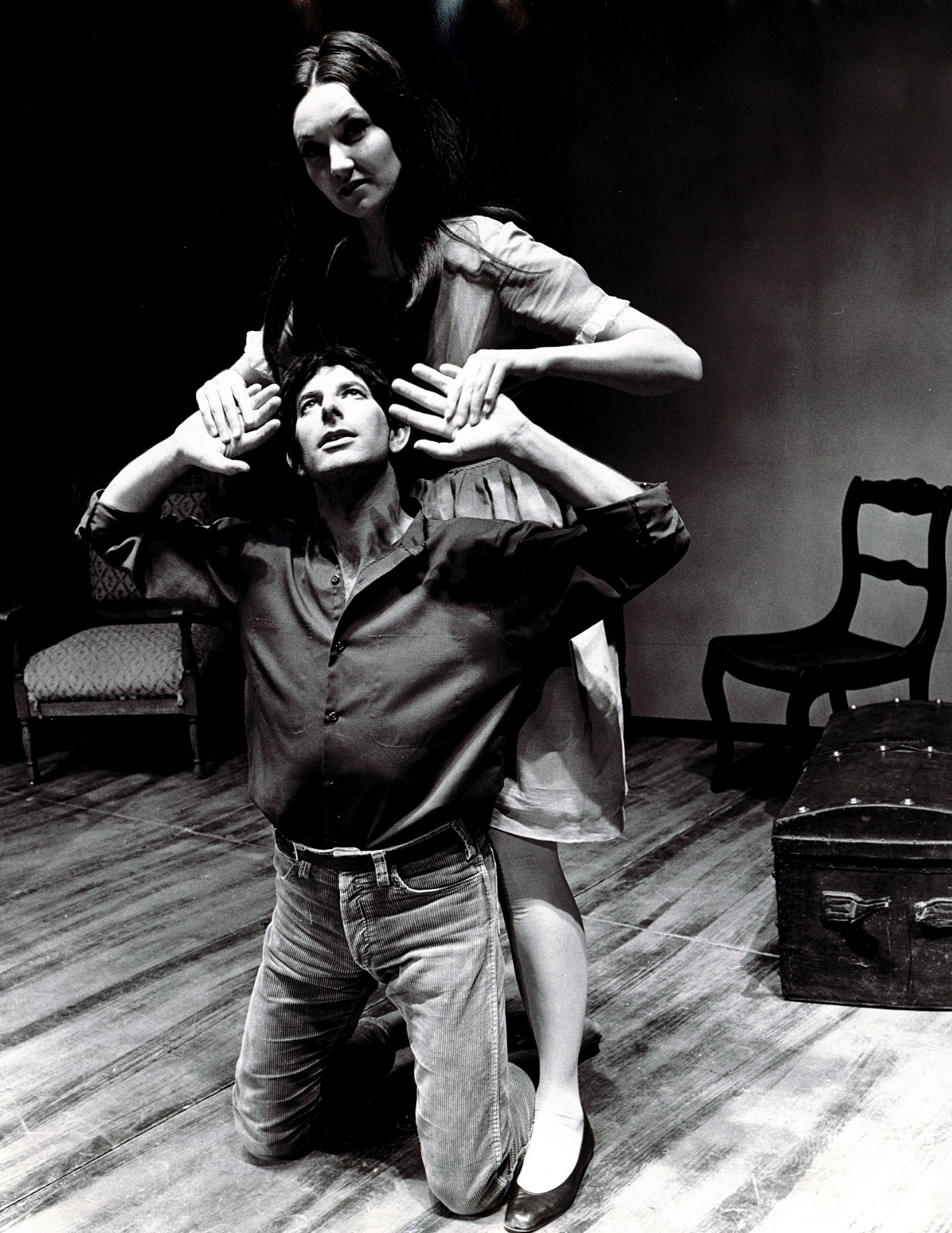
Bravo 1968 Opera program book.
This early phase established a pattern the company would follow for decades: education paired with artistic seriousness, local investment combined with bold repertoire. Even before it had the scale of a major producing house, the company was already showing a willingness to stretch form, build infrastructure, and trust Detroit audiences with more than the expected canon.
The Shape of a Real Opera Company
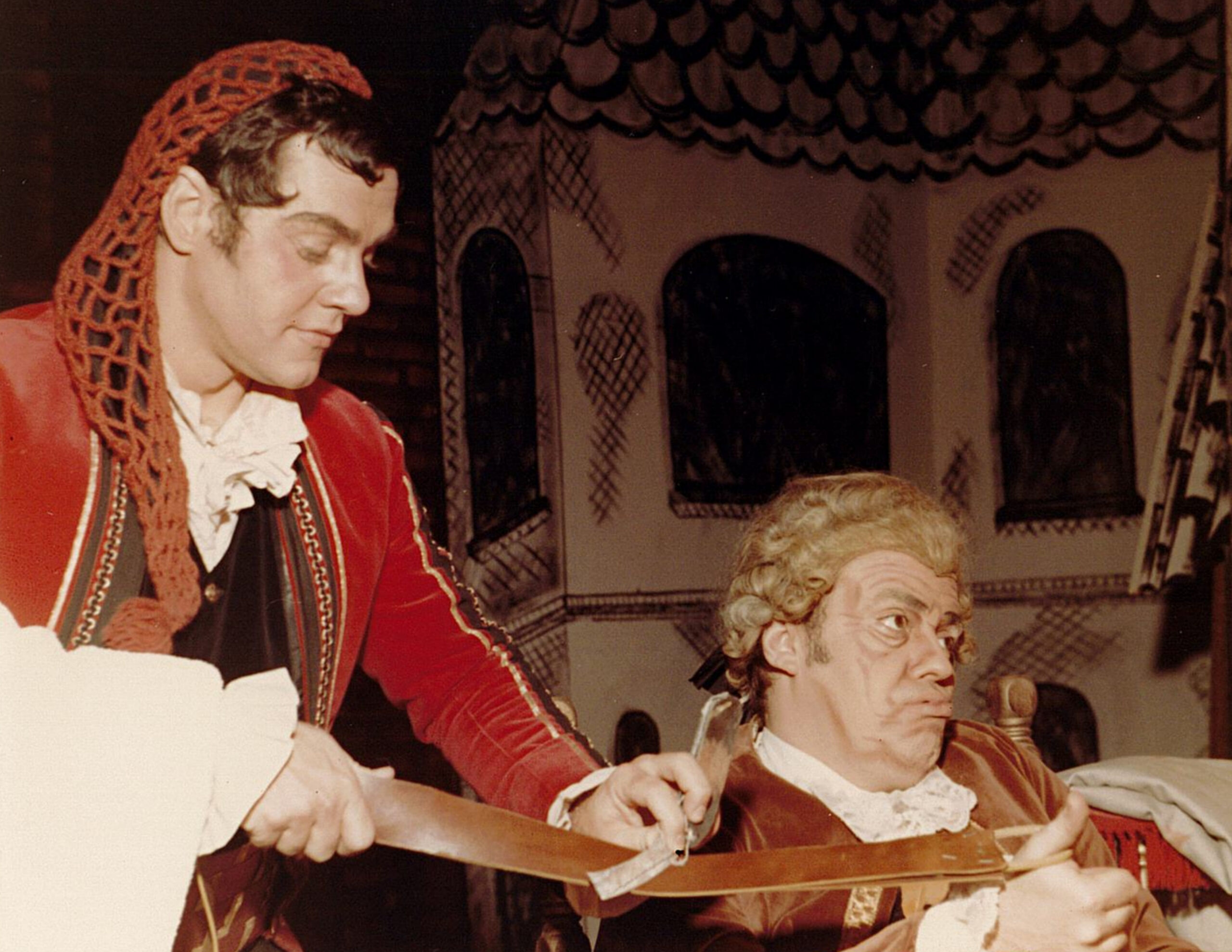
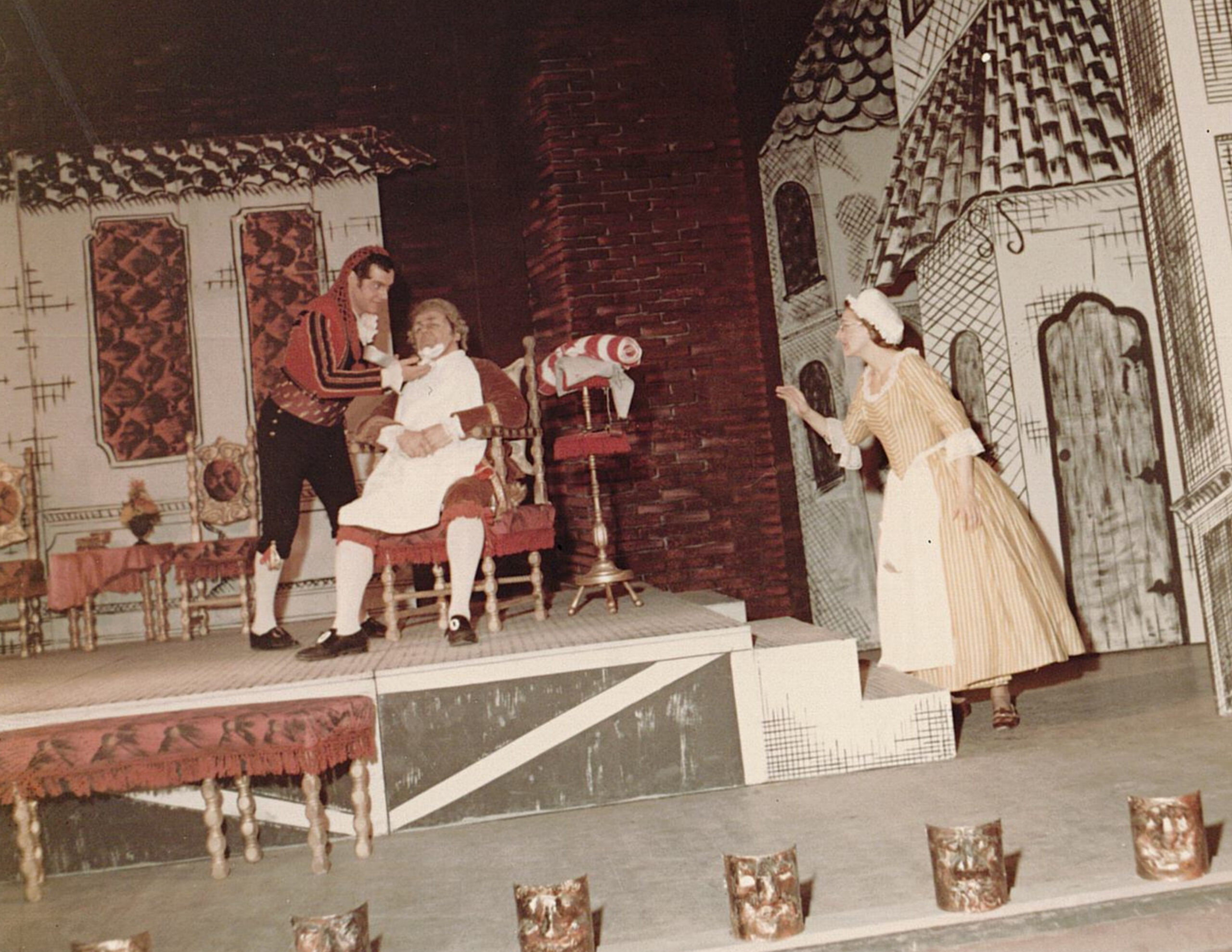
Bravo 1970 Opera program book.
In 1970, Overture to Opera presented its first full-length opera, Rossini’s The Barber of Seville. The production marked the professional debut of 19-year-old Detroiter Maria Ewing, who would go on to perform on opera stages around the world.
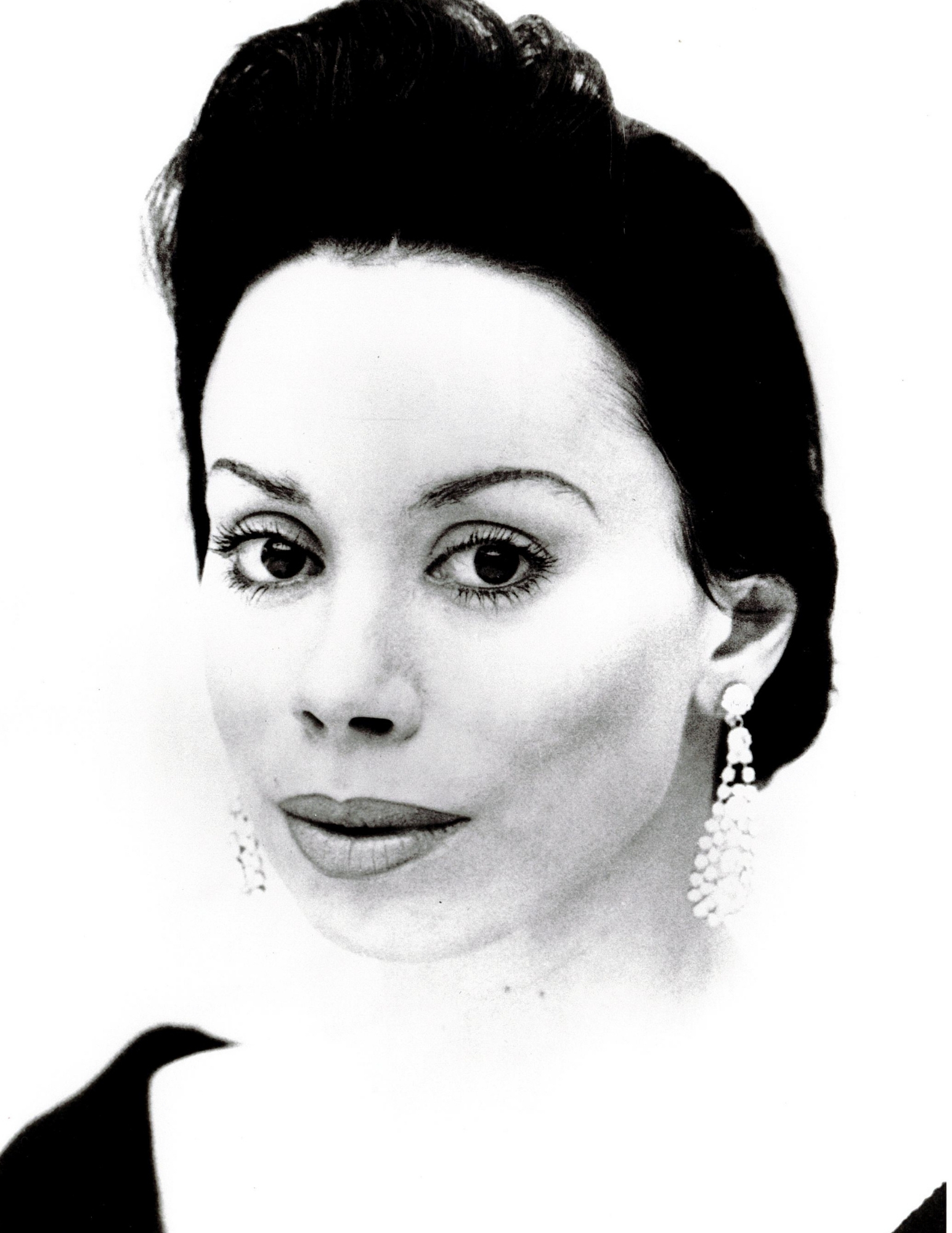
A year later, the company moved into Music Hall, where it presented the Michigan premieres of Andrew Lloyd Webber’s Joseph and the Amazing Technicolor Dreamcoat and Puccini’s La Rondine.
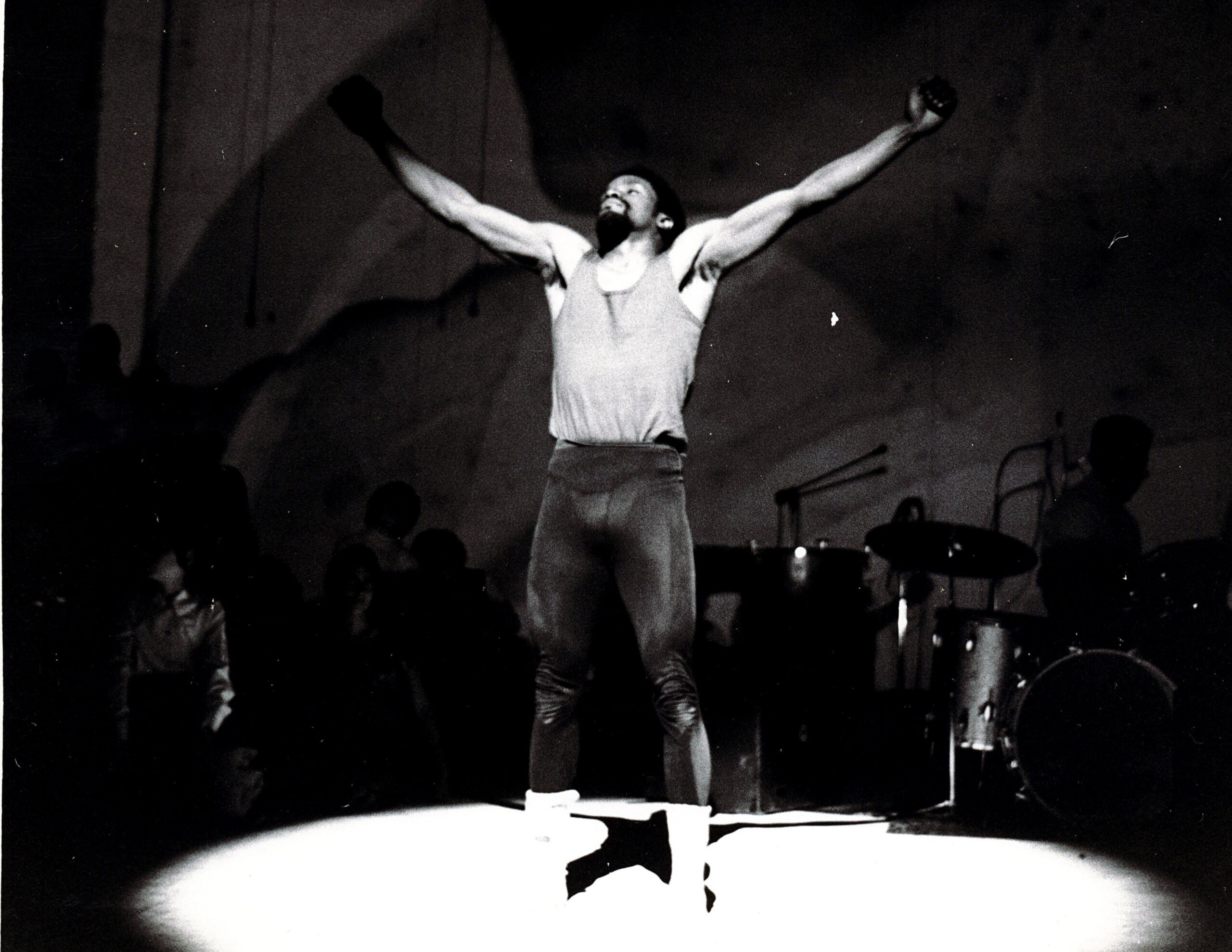
With a new home, a first full season of productions, and separation from the Detroit Grand Opera Association, the 1971–1972 season marked Overture to Opera’s first year as an independent arts institution. In 1972, the company officially became a member of OPERA America, the national service organization for opera in the U.S. and Canada. In 1973, it formally adopted the name Michigan Opera Theatre to reflect a mission to provide opera productions mounted in Detroit which then toured throughout the state.
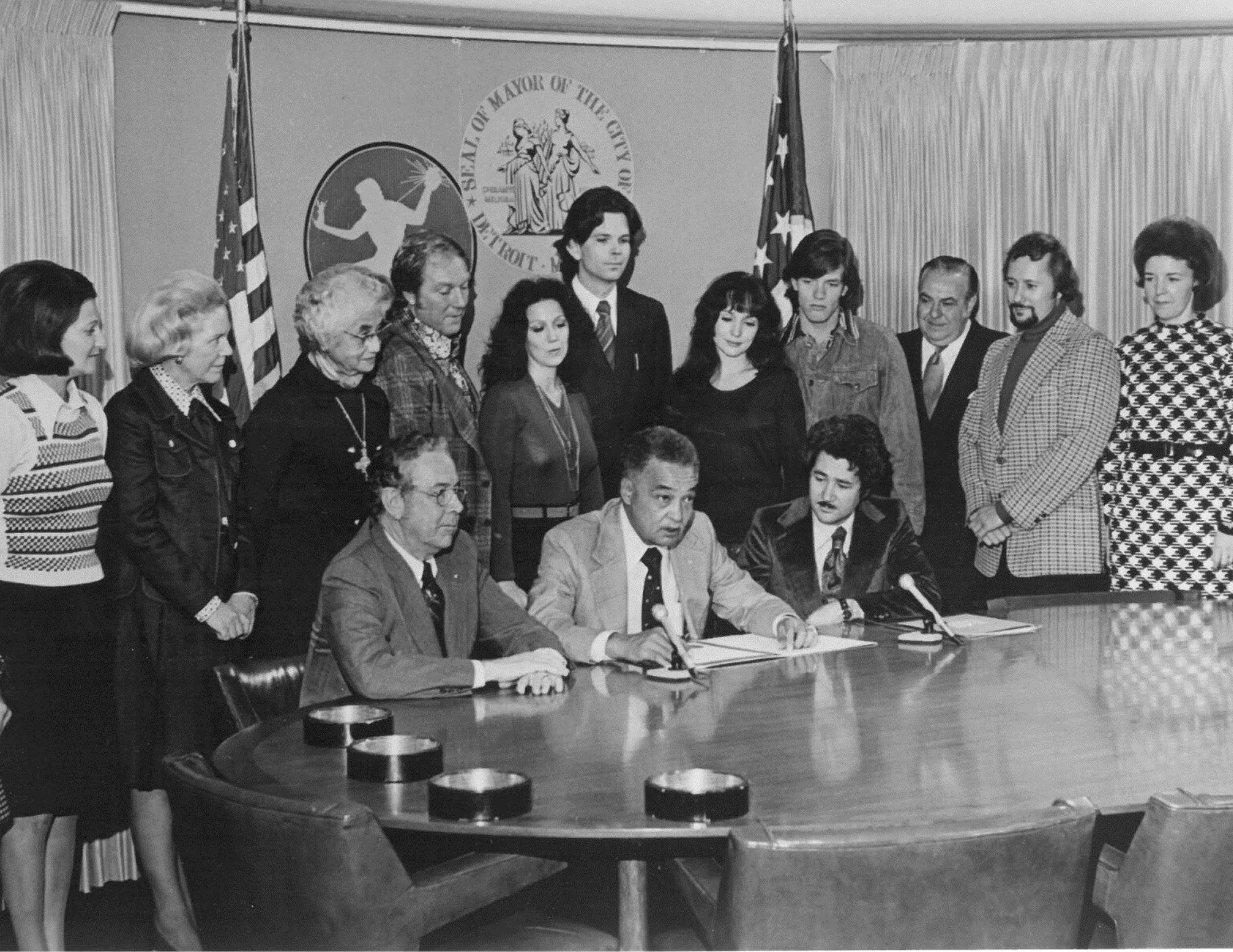
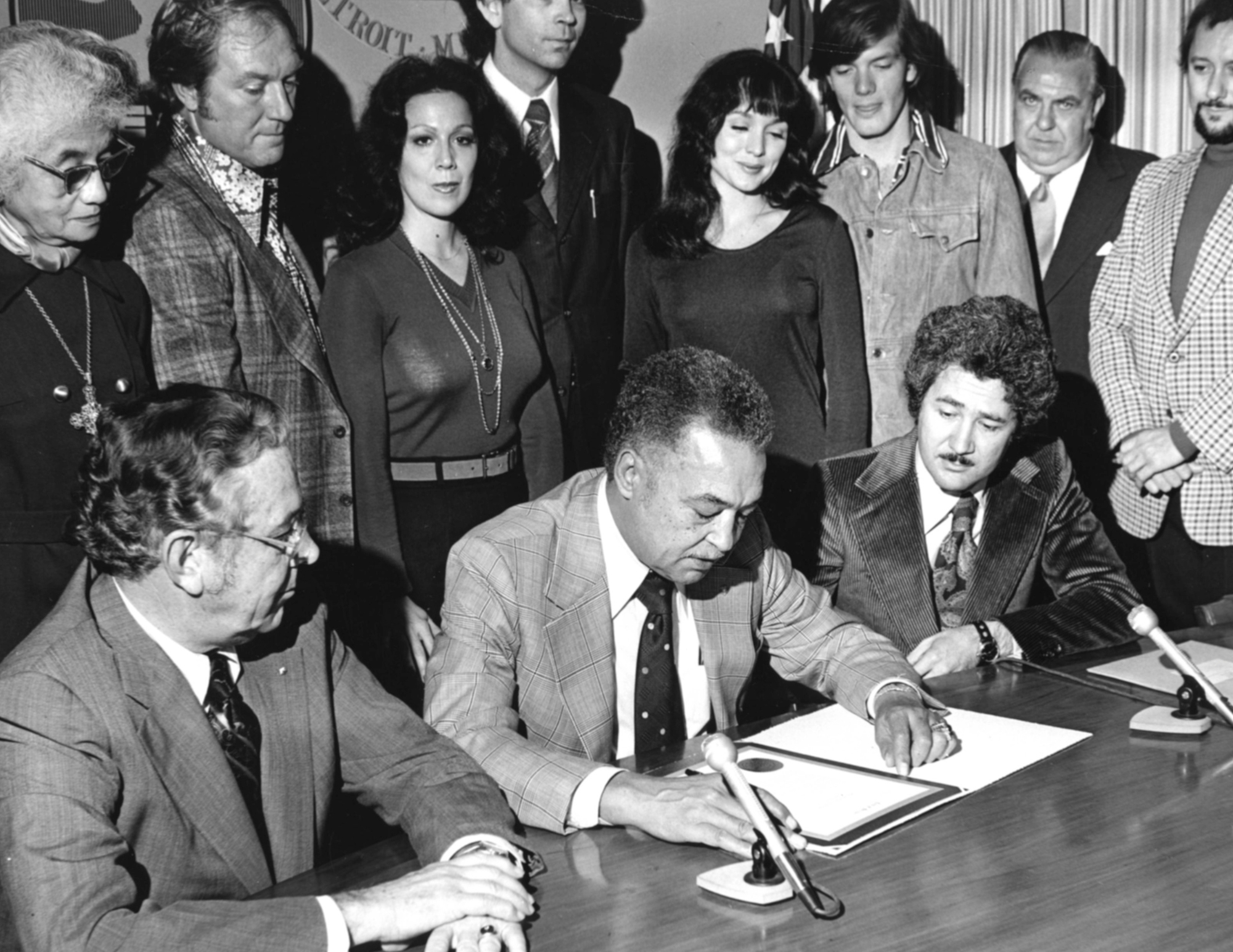
The progression from educational initiative to professional company marked the emergence of a distinctly Detroit operatic institution—one that would embrace standard repertory, American works, underperformed repertoire, community engagement, and theatrical scale all at once.
Michigan Opera Theatre Comes into Its Own
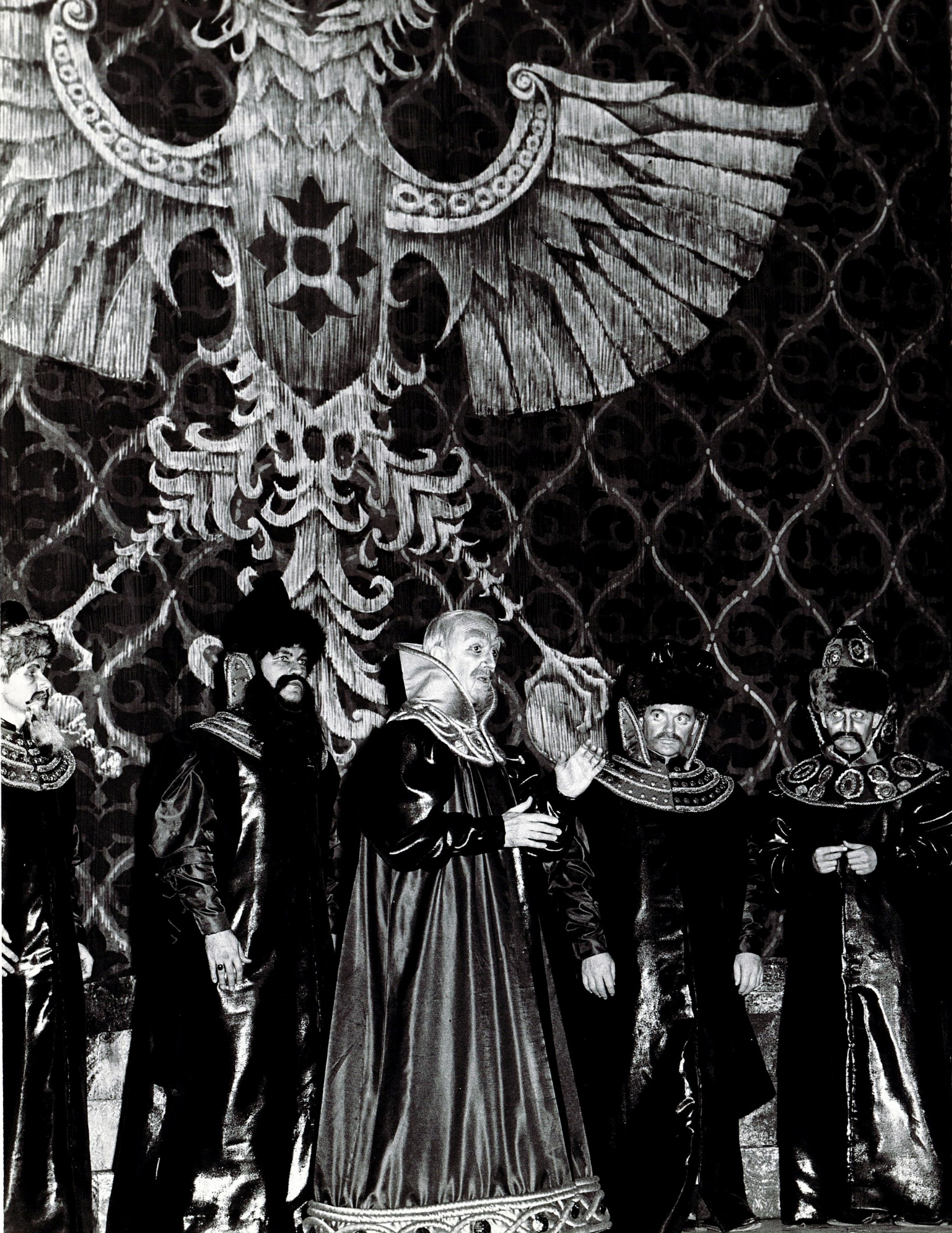
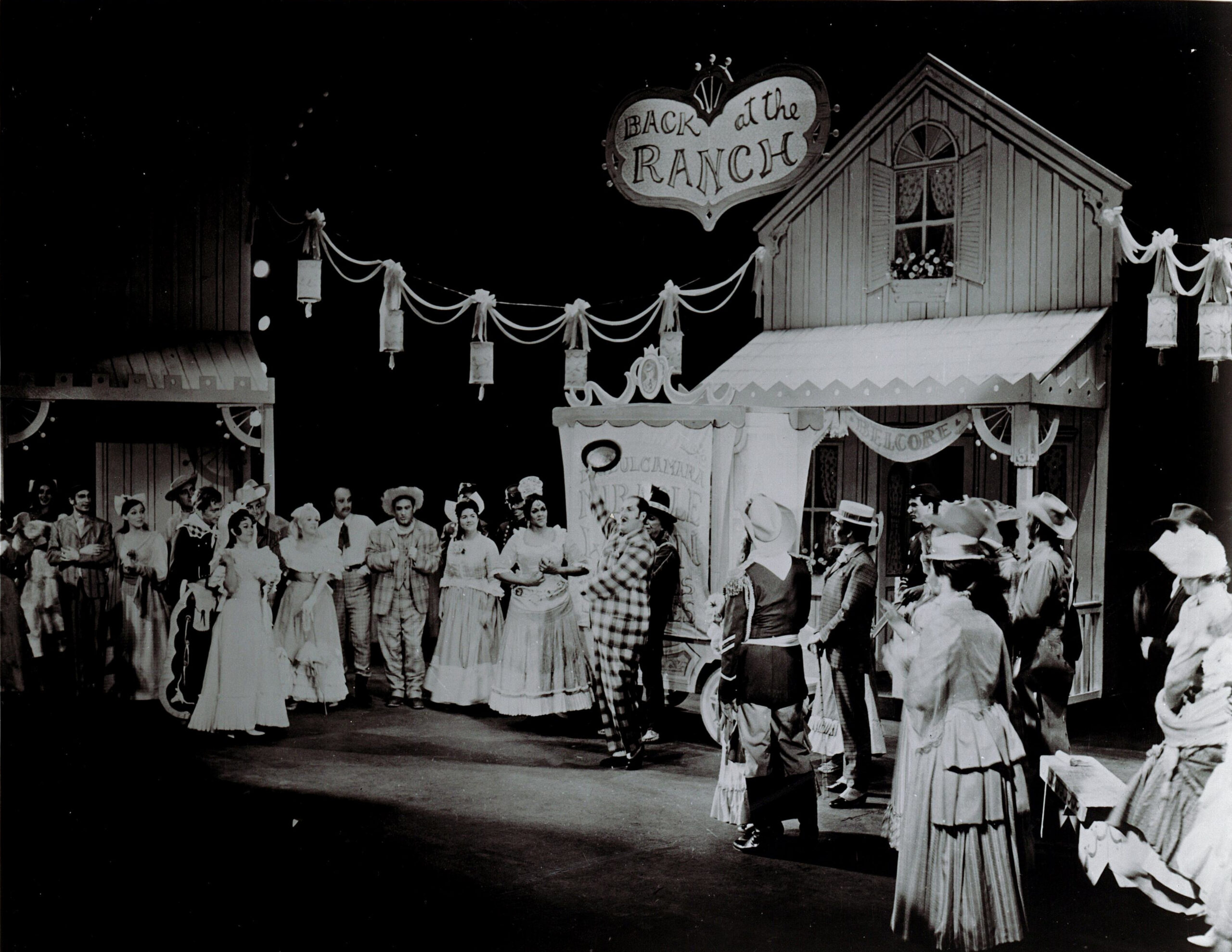
The 1970s were years of fast growth. Michigan Opera Theatre added productions such as Lehár’s The Merry Widow, Mussorgsky’s Boris Godunov starring world-famous bass Jerome Hines, Donizetti’s The Elixir of Love, and Gershwin’s Porgy and Bess. The company’s 1975 Porgy and Bess featured Leona Mitchell, then on her way to international stardom.
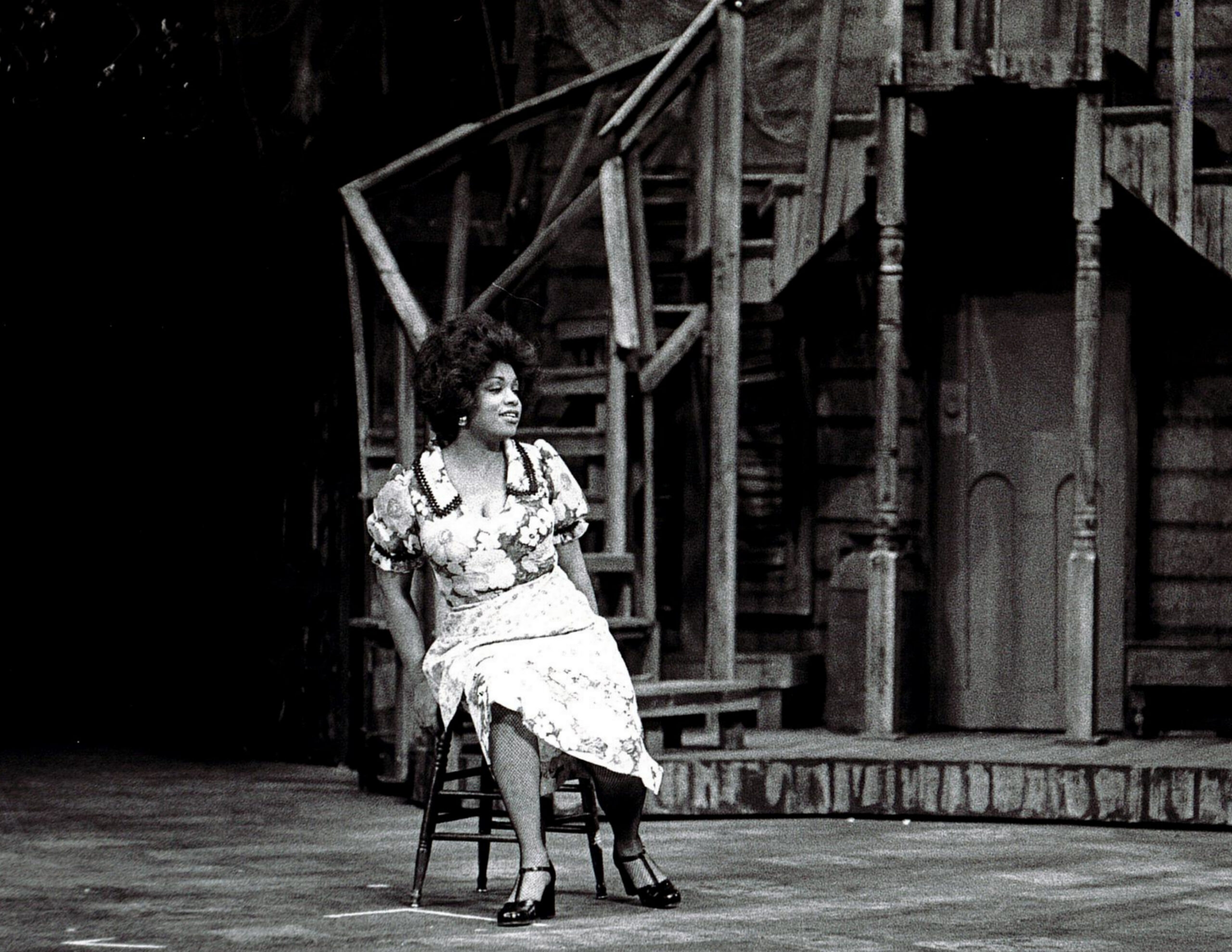
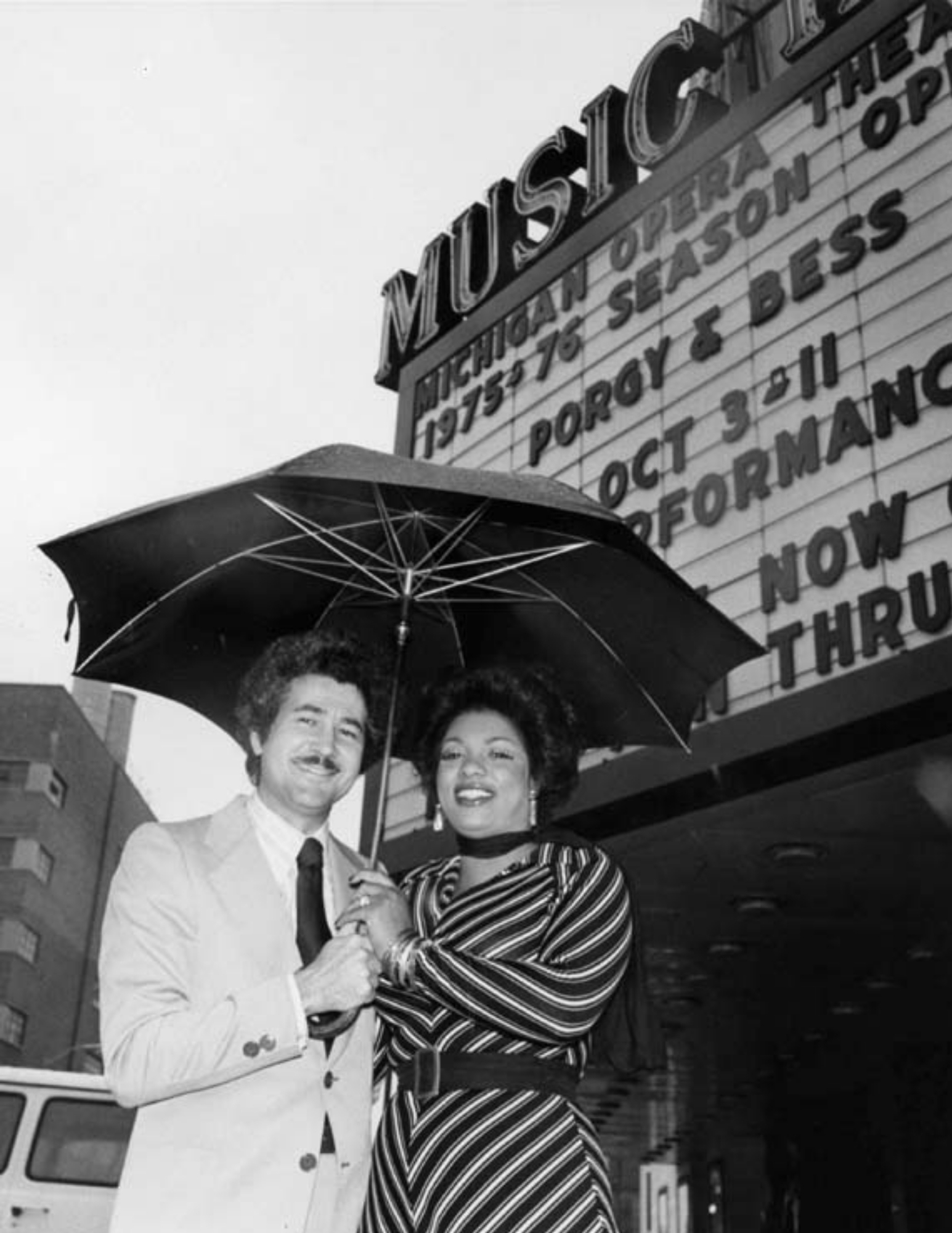
In addition to Mitchell, MOT became known for helping grow many careers, including those of Kathleen Battle, Wilhelmenia Fernandez, and Carmen Balthrop and the American opera company debut of Cleo Laine.
In 1976, MOT presented its first world premiere, Thomas Pasatieri’s Washington Square, starring a young Catherine Malfitano, which drew national attention. Time Magazine wrote, “Nothing testifies to the growing up of a regional American opera company quite like a world premiere.”
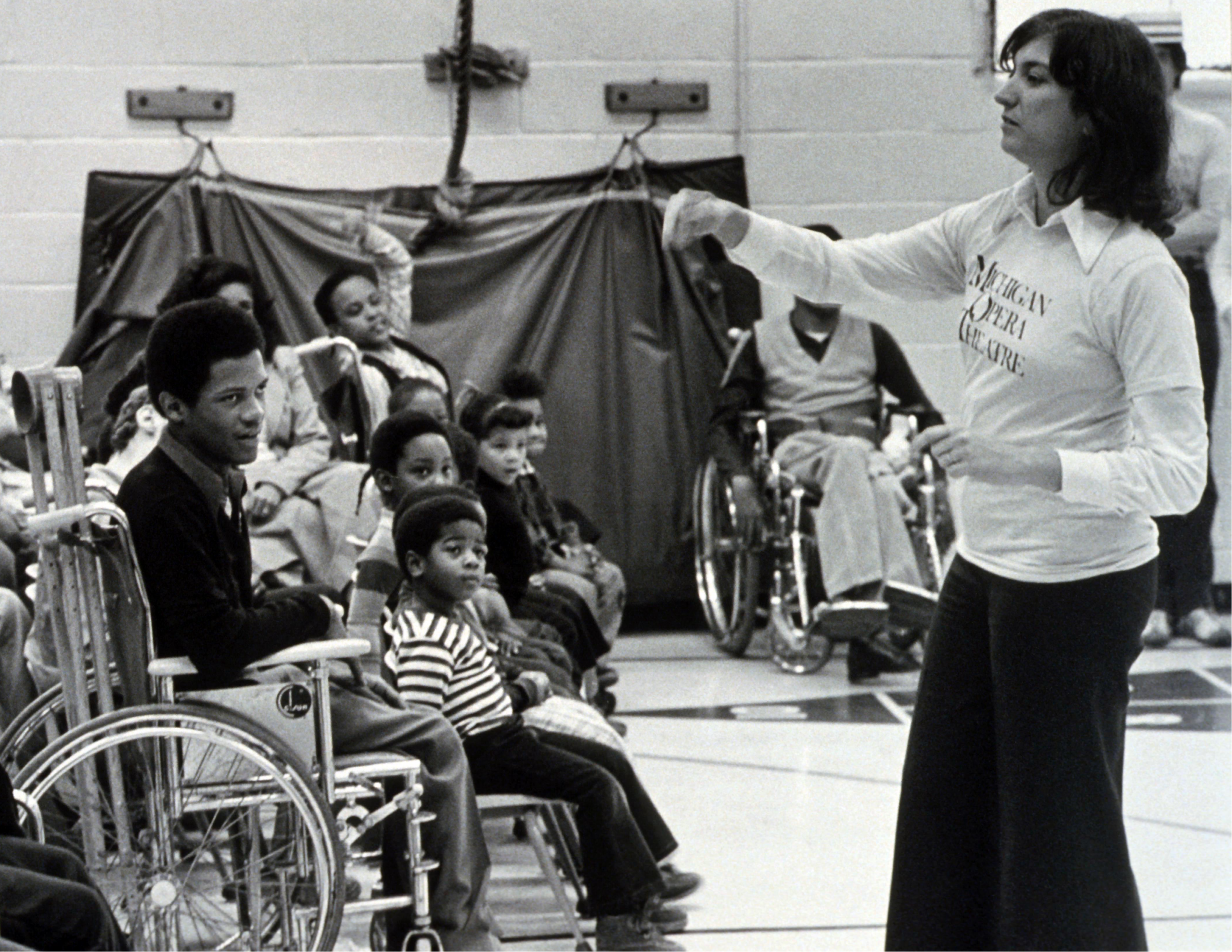
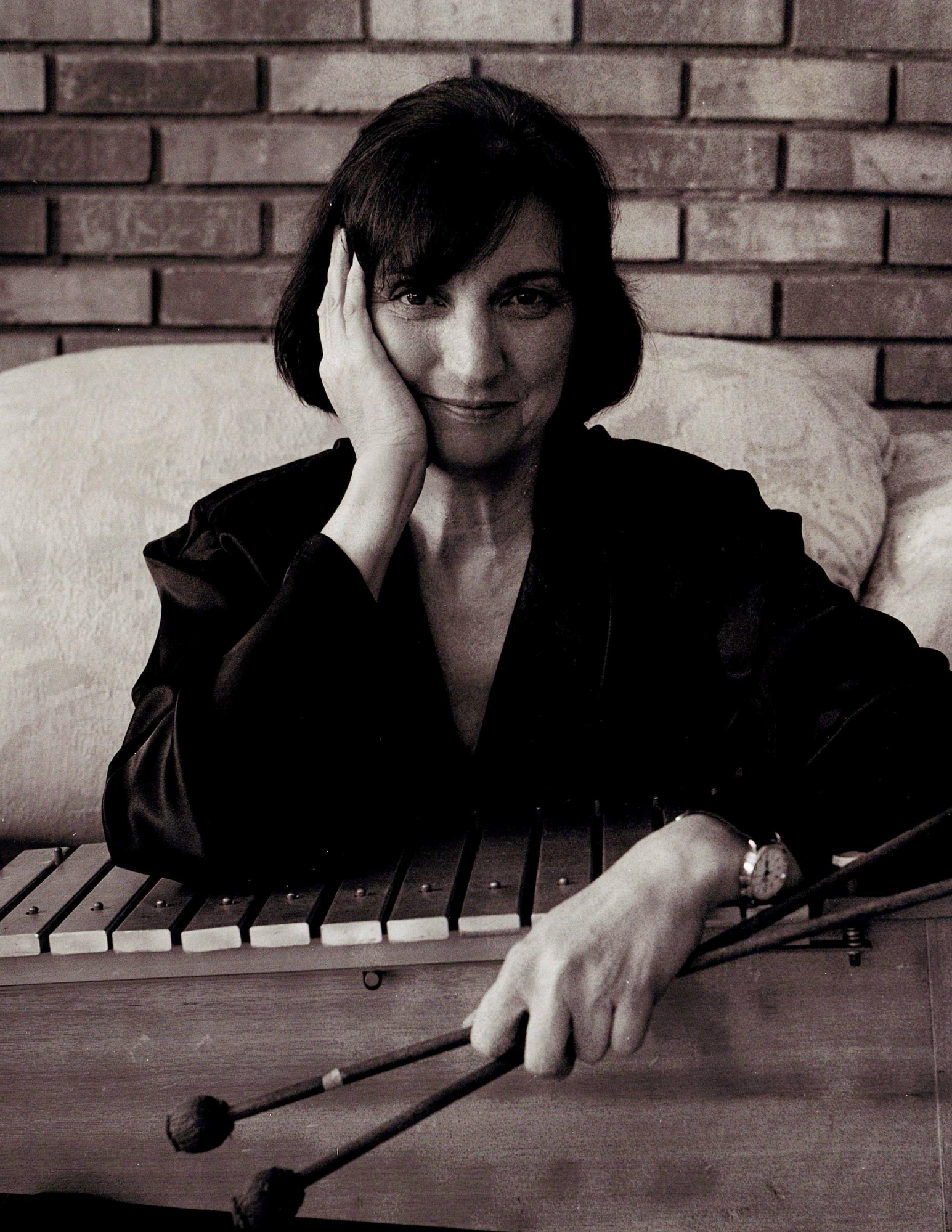
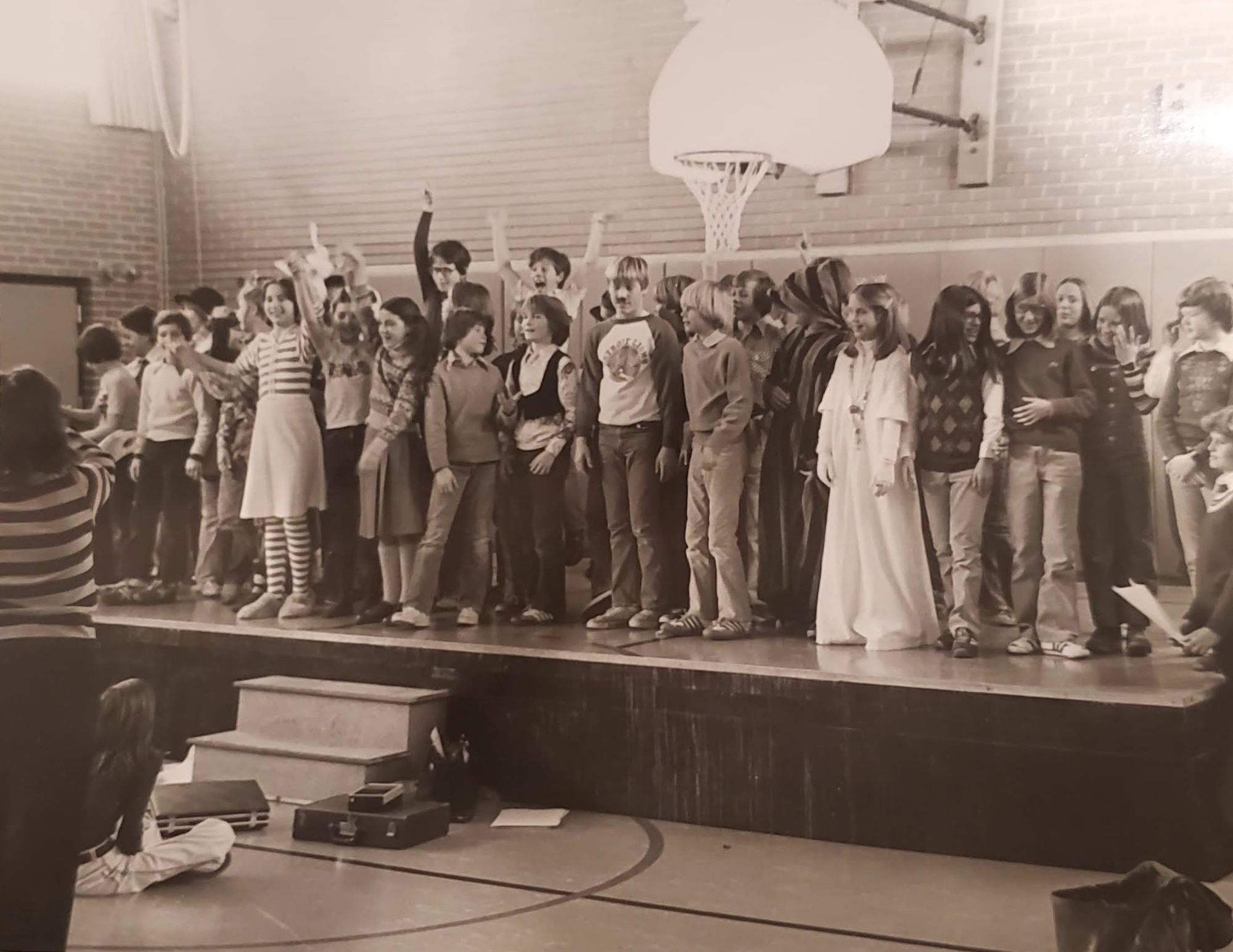
Just as significant was the company’s investment in education and community engagement. In 1978, Karen VanderKloot DiChiera founded MOT’s Community Programs Department, which included statewide touring of children’s operas and operatic scenes, education initiatives, and residences in school districts. That same year, a permanent MOT Orchestra made its debut, and Aaron Copland himself conducted a revival of The Tender Land at Midland’s summer music festival.
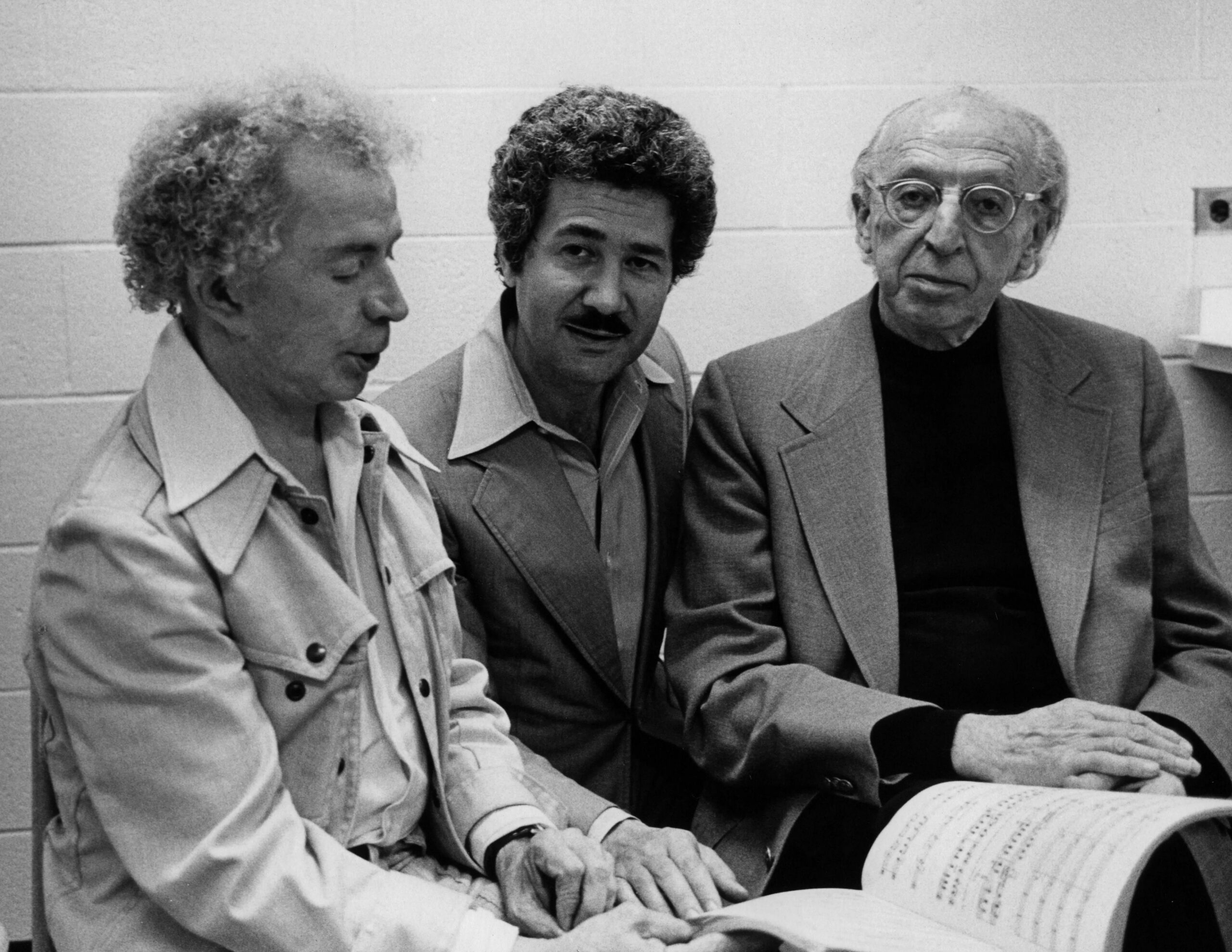
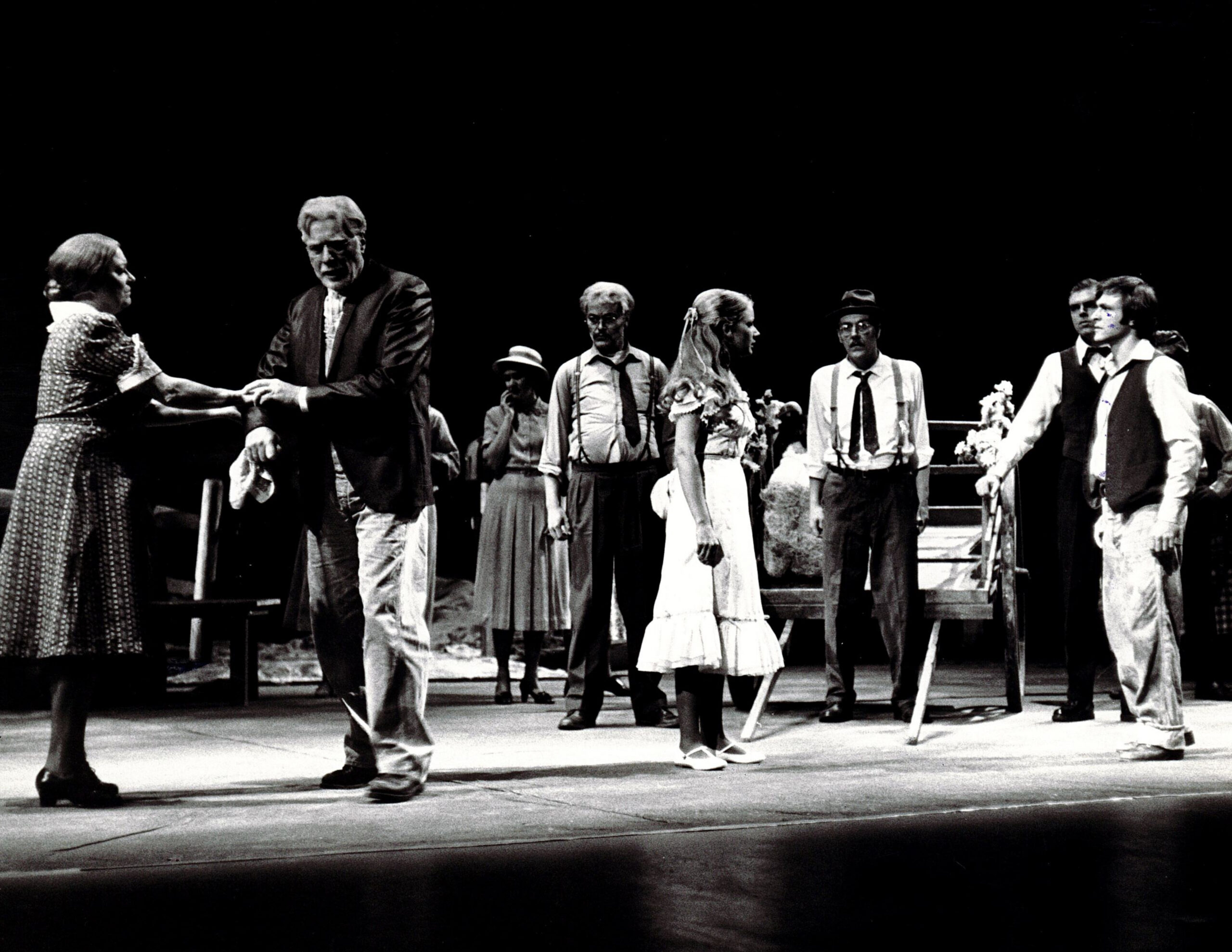
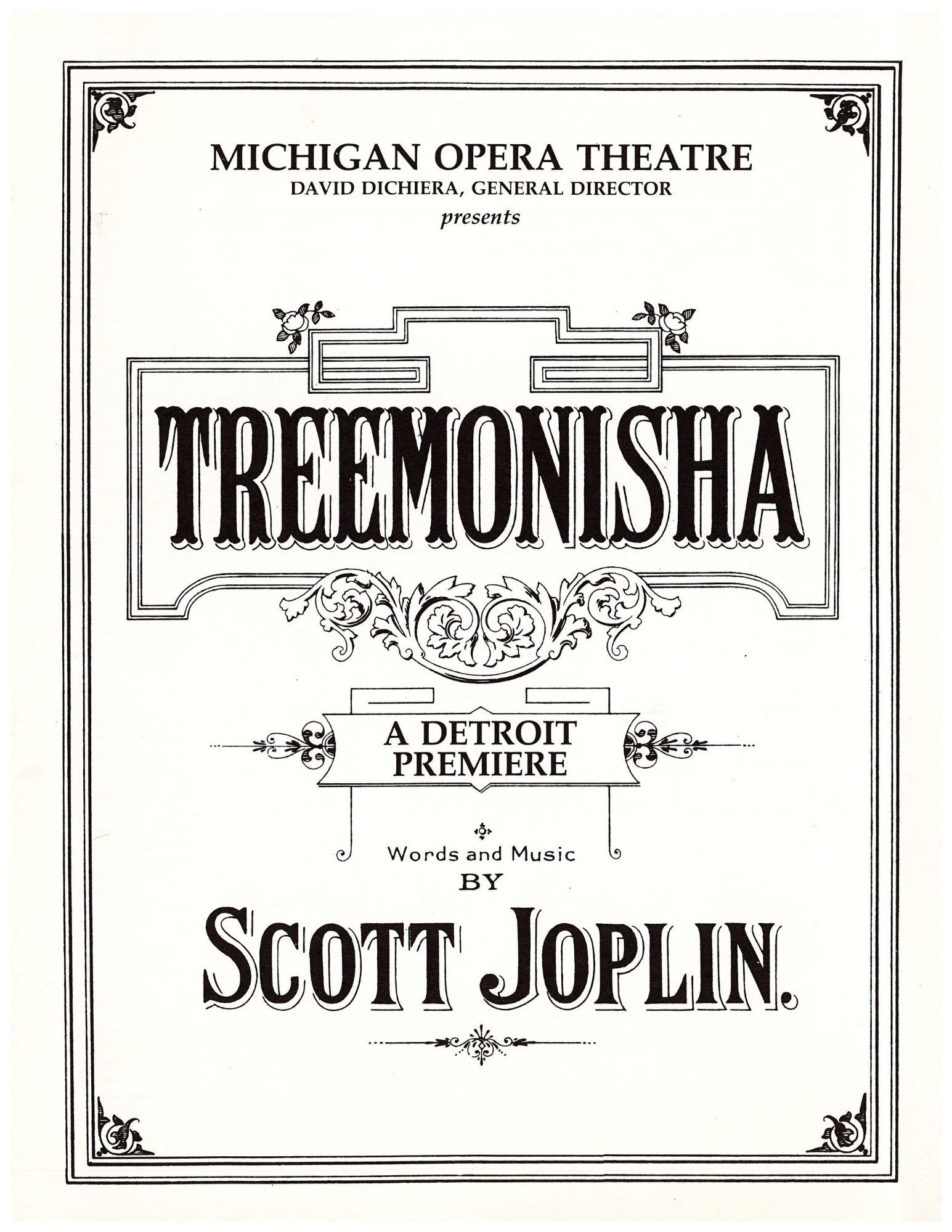
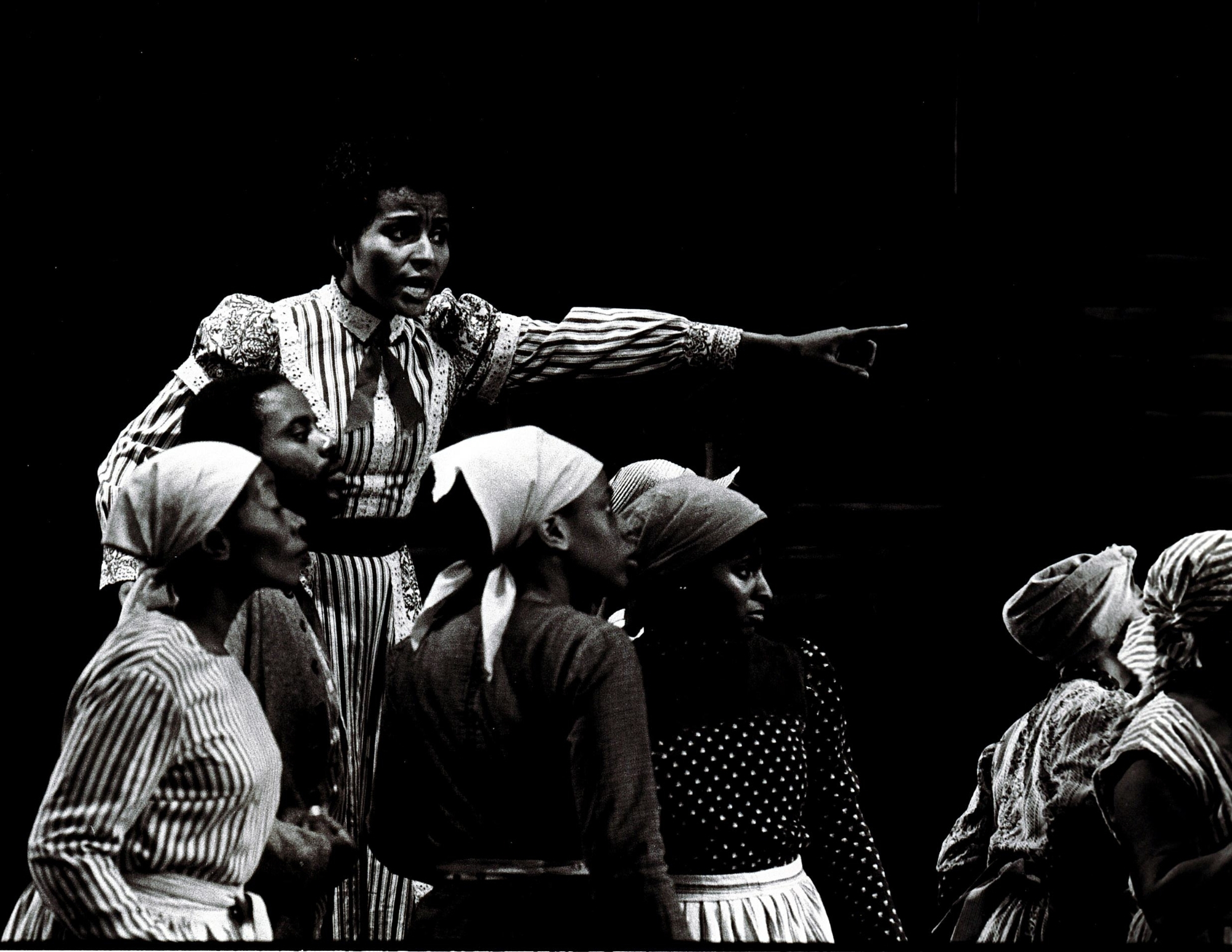
By the early 1980s, Michigan Opera Theatre had become increasingly adventurous in repertoire. It presented the American premiere of Armen Tigranian’s Anoush in 1981 and the American premiere of Stanisław Moniuszko’s The Haunted Manor in 1982, the same year MOT staged the Detroit premiere of Scott Joplin’s Treemonisha, starring Carmen Balthrop. The company also presented works by Stephen Sondheim over several seasons, including Sweeney Todd and A Little Night Music.
In 1982, the company reached an audience of more than 100,000 people. This was already a company with a national profile, but it was becoming something else too: a company willing to insist that opera history is larger than mainstream Italian, French, and German operas. Throughout its young history, efforts to grow audiences to attend opera included productions in English, productions interpreted for the hearing-impaired through American sign language, and the early adoption of surtitles for operas performed in foreign languages—a practice that would become standard worldwide beginning in the 1990s.
Building Scale, Attracting Stars
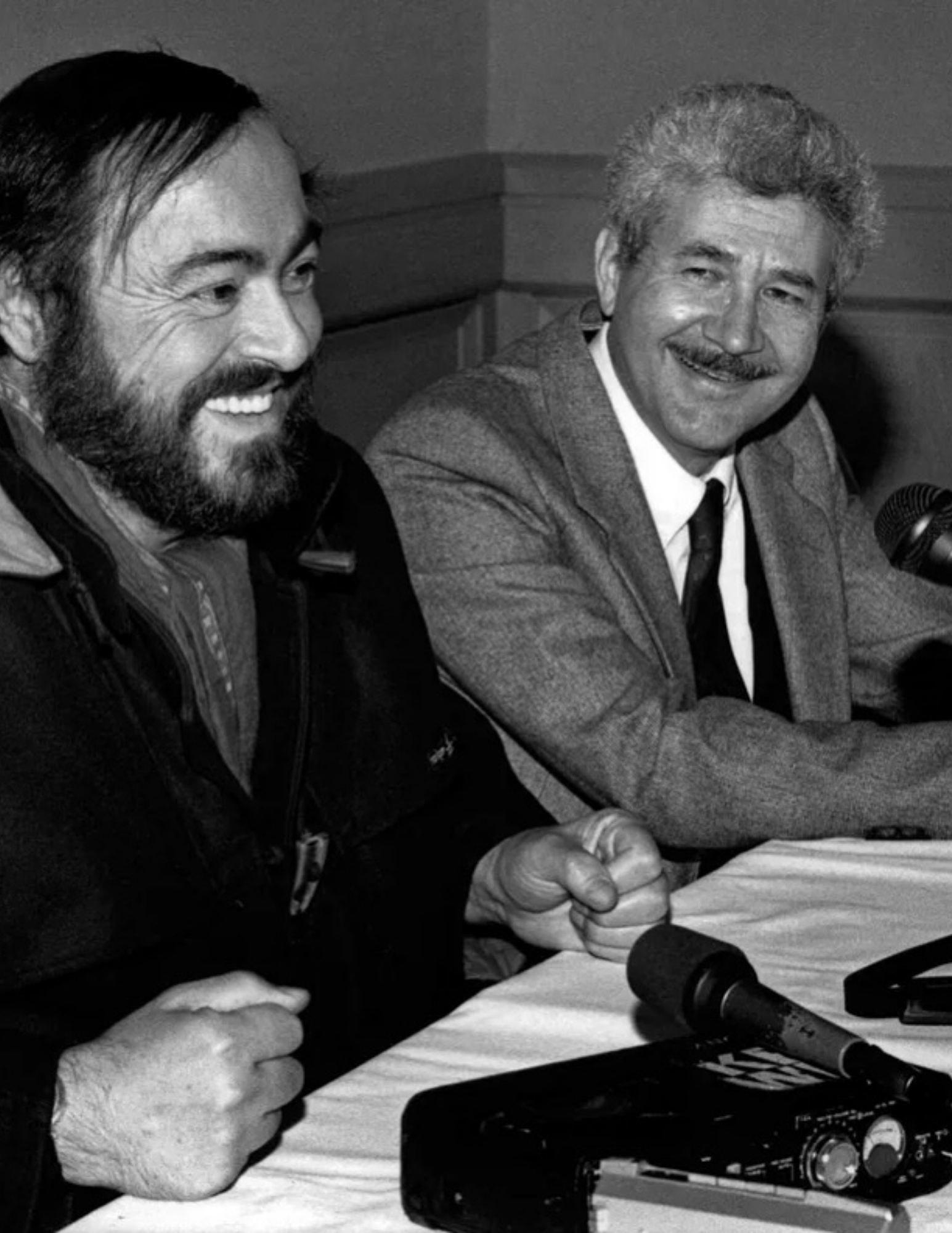
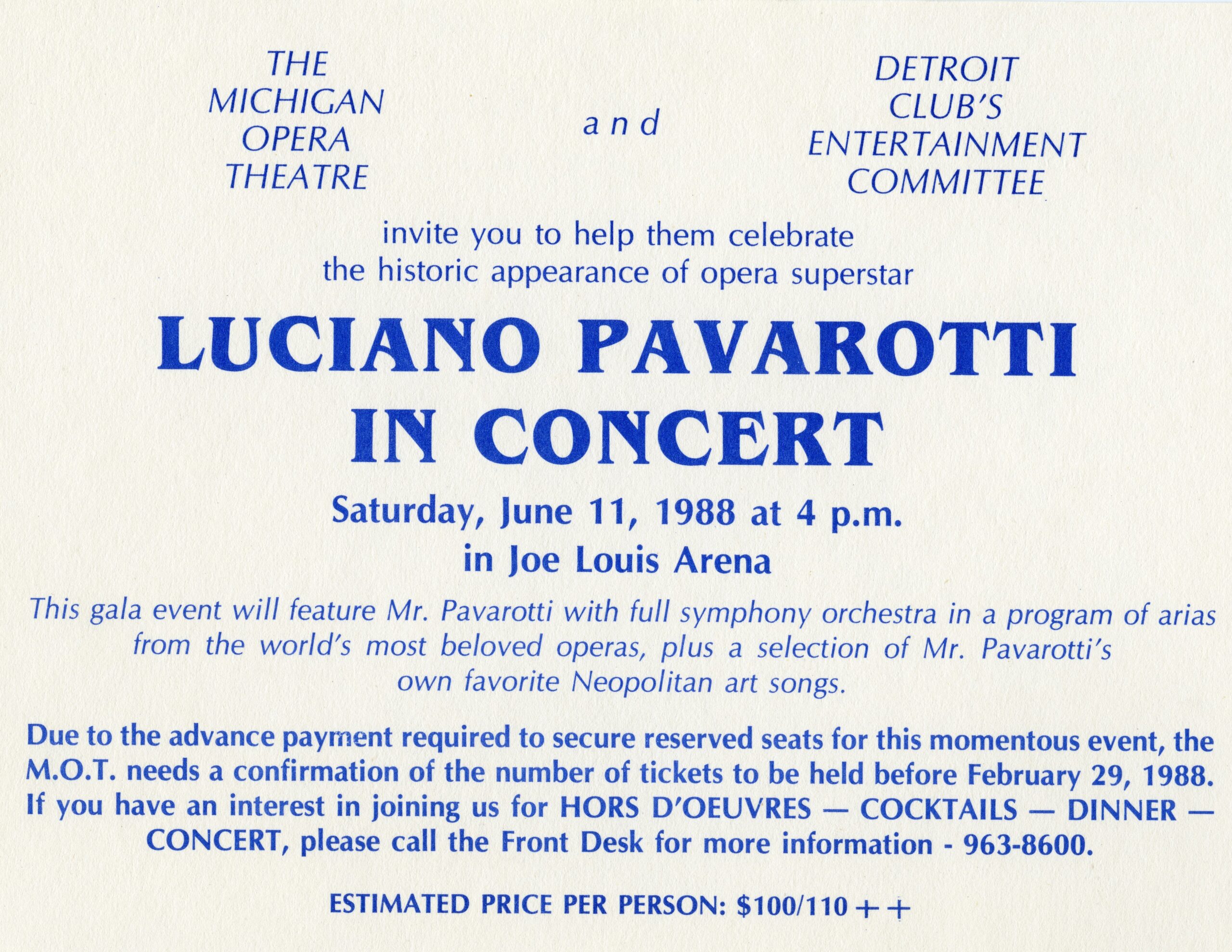
A major shift came in the mid-1980s, when MOT moved toward full-scale opera at the Masonic Temple Theatre. That era began in 1984 with Donizetti’s Anna Bolena, featuring Dame Joan Sutherland and the young Heldentenor Ben Heppner. Within a few years, the company had grown into the nation’s tenth-largest opera-producing organization. By 1985, MOT fully left the Music Hall and began producing its fall seasons at the Fisher Theatre, mounting the first American opera company production of West Side Story. In 1988, it presented Luciano Pavarotti in his Detroit concert debut at Joe Louis Arena, before a crowd of more than 20,000 people.
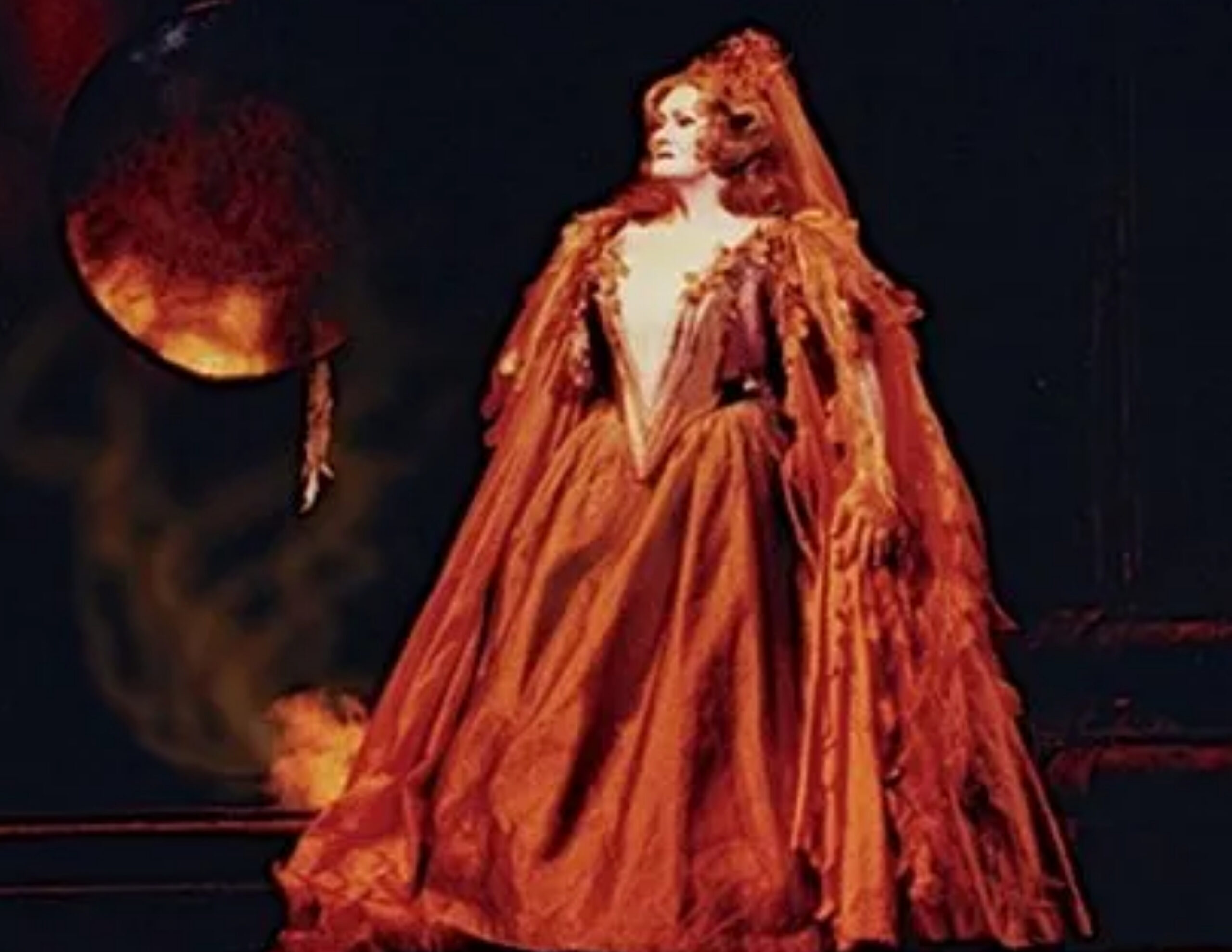
In 1989, MOT commissioned a new production of Bellini’s Norma for Joan Sutherland’s final performance in the title role.
The 1980s were landmark years for visibility. But they also prepared the company for its next great act: finding and restoring a permanent home.
The Opera House Itself
The present-day Detroit Opera House has a history that predates the company’s arrival. The current building opened on January 22, 1922 as the Capitol Theatre, designed by renowned Detroit architect C. Howard Crane, best known as architect of the Fox Theatre (1929) and Orchestra Hall (1919).
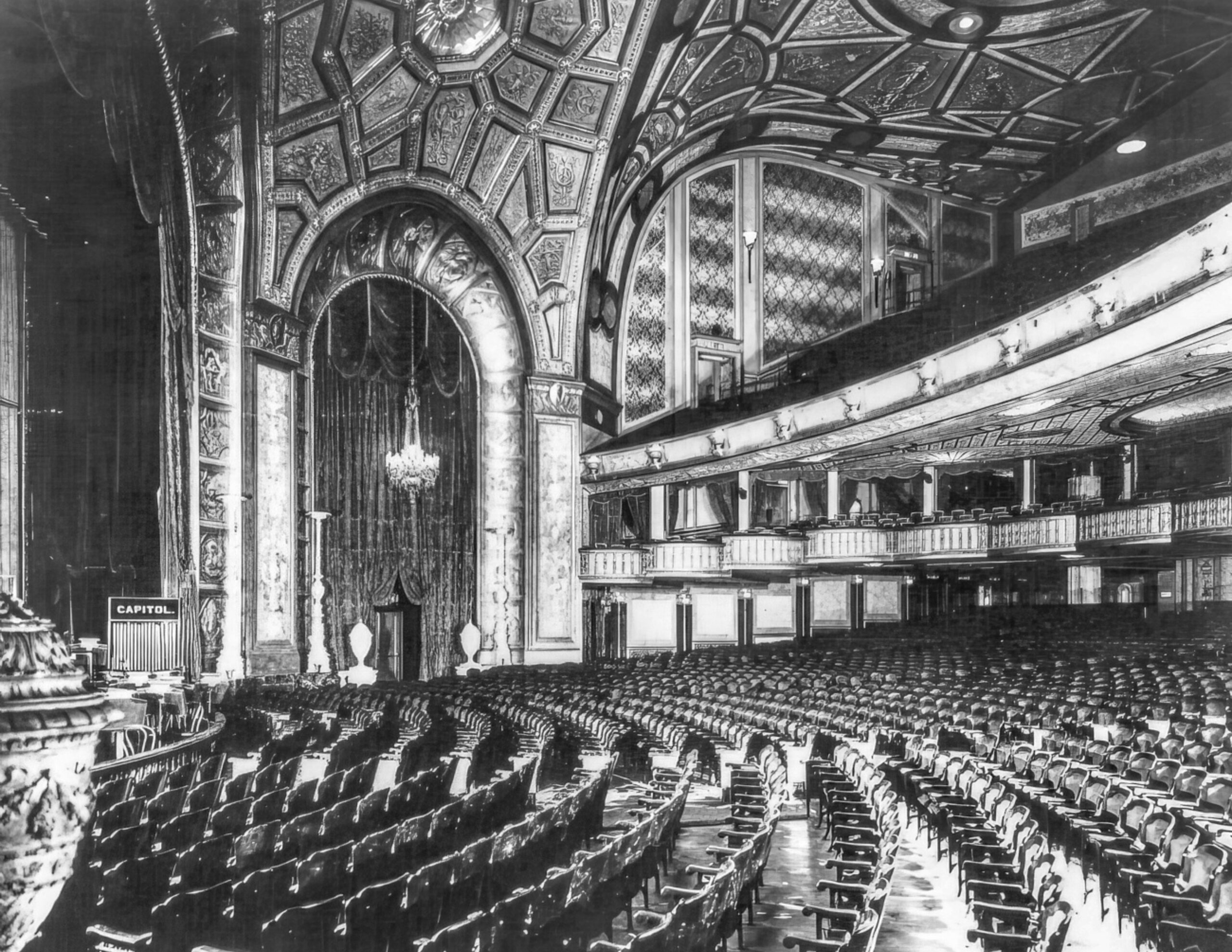
It was among the first venues developed around Grand Circus Park, was considered Detroit’s first true movie palace, and at opening was the fifth-largest theater in the United States. Over time it became the Paramount, then the Broadway Capitol, then the Grand Circus Theatre. Artists including Louis Armstrong and Duke Ellington performed there in the 1940s, as well as the B-52s and the Ramones during the venue’s rock-venue years in the 1980s.
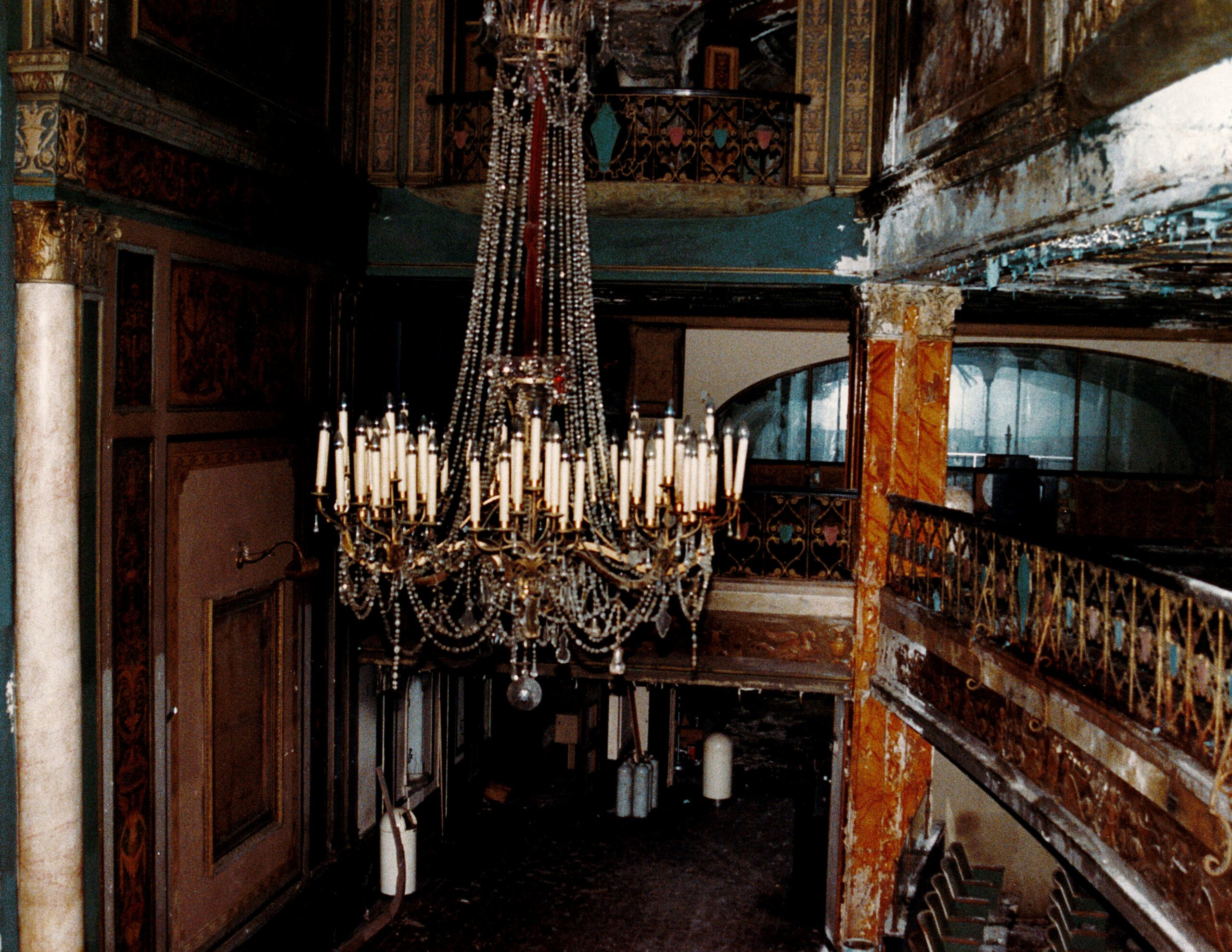
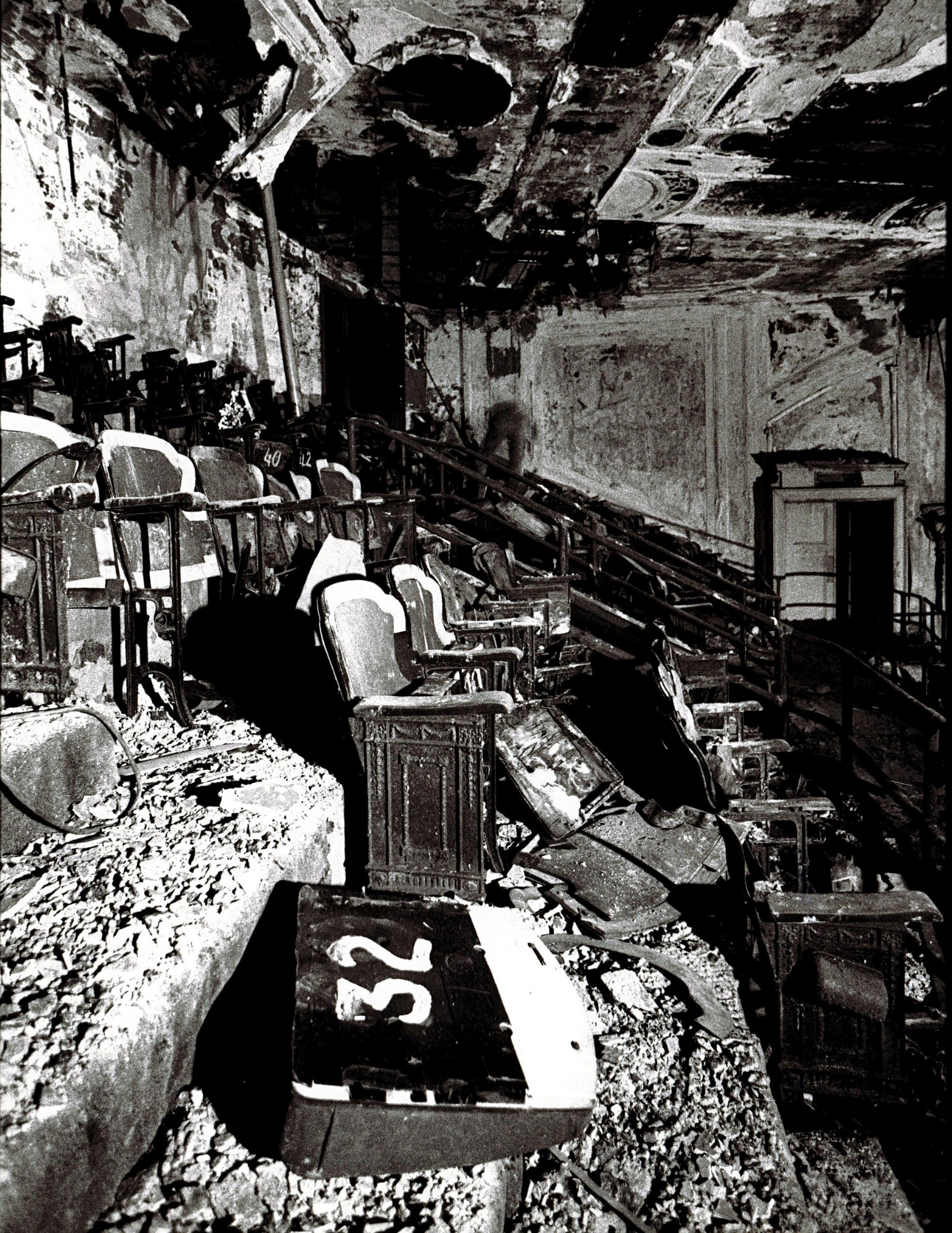
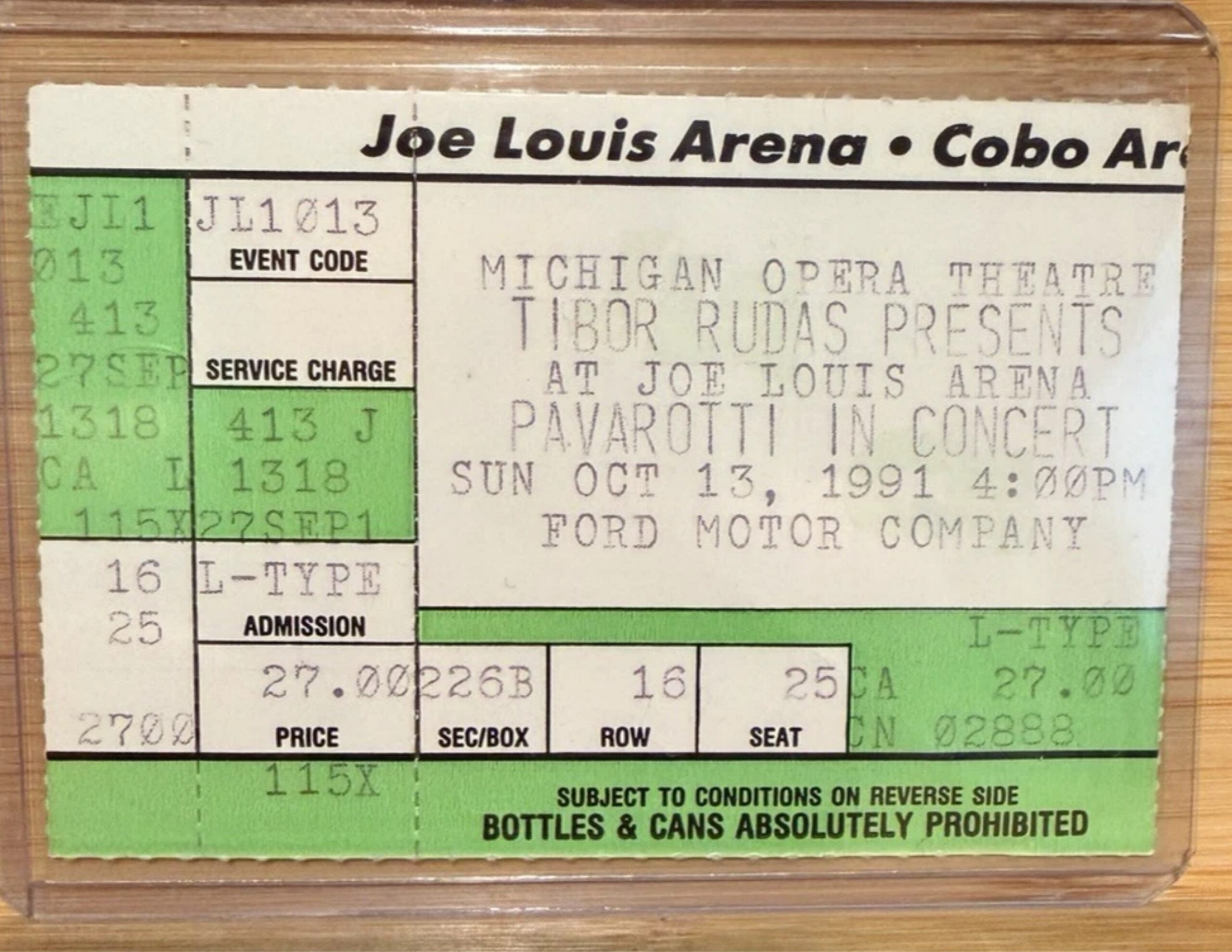
After years of decline, fire, and neglect, and complete abandonment from 1985 to 1989, the crumbling theater was purchased by MOT. In the 1990s, under DiChiera’s leadership, he and his Board mounted a capital campaign and raised $20 million to create a new permanent home — the Detroit Opera House. In 1991, Pavarotti returned to Detroit’s Joe Louis Arena for a major MOT fundraiser and promised to perform at the Opera House at its grand opening.
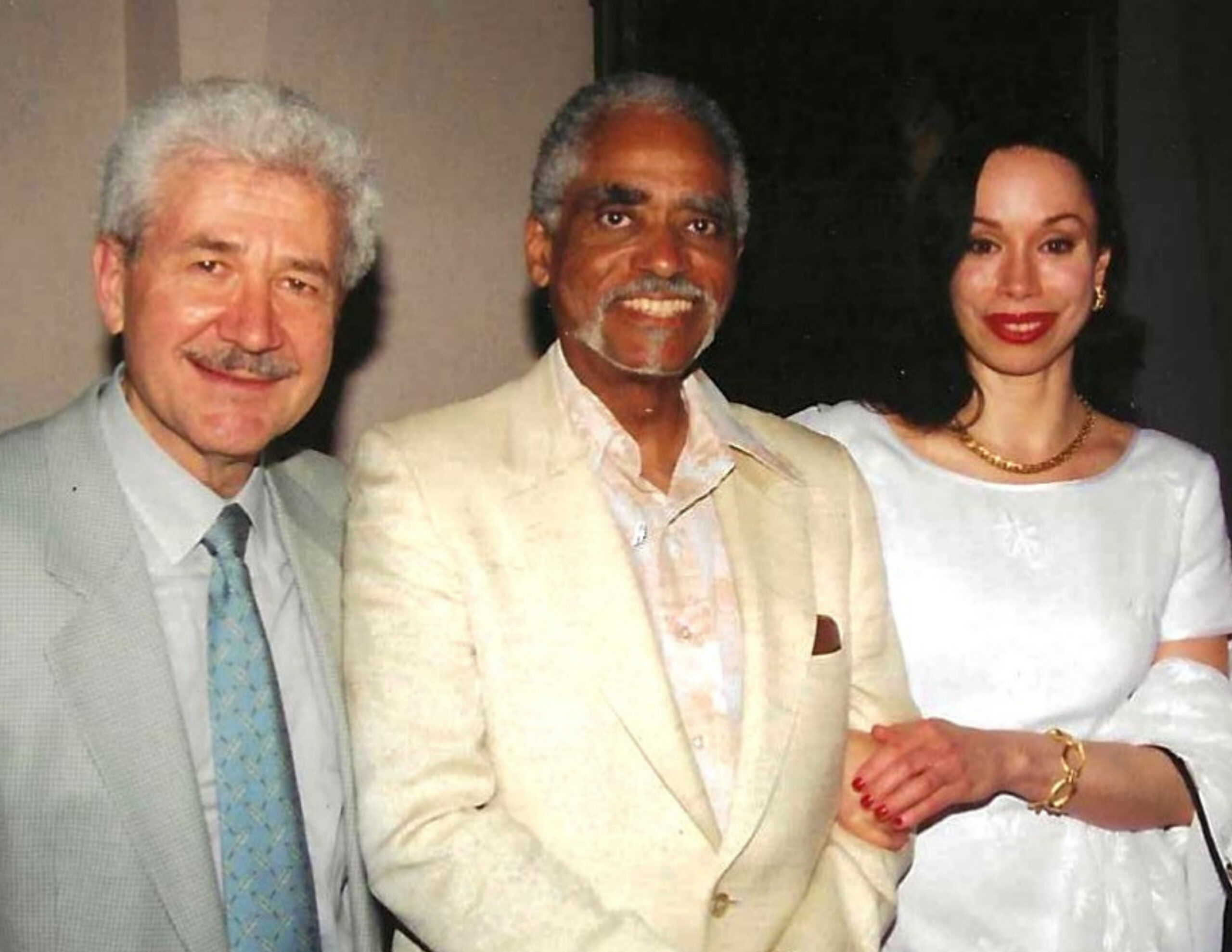
That restoration became one of downtown Detroit’s defining acts of cultural preservation and renewal. The opening of the restored Opera House in 1996 is arguably the single most significant milestone in the company’s history and helped launch Detroit’s downtown revitalization. At the inaugural gala, Joan Sutherland declared the house “open and ready for music,” and Pavarotti returned to Detroit to fulfill his promise to perform at the gala concert, along with numerous top-ranked singers.
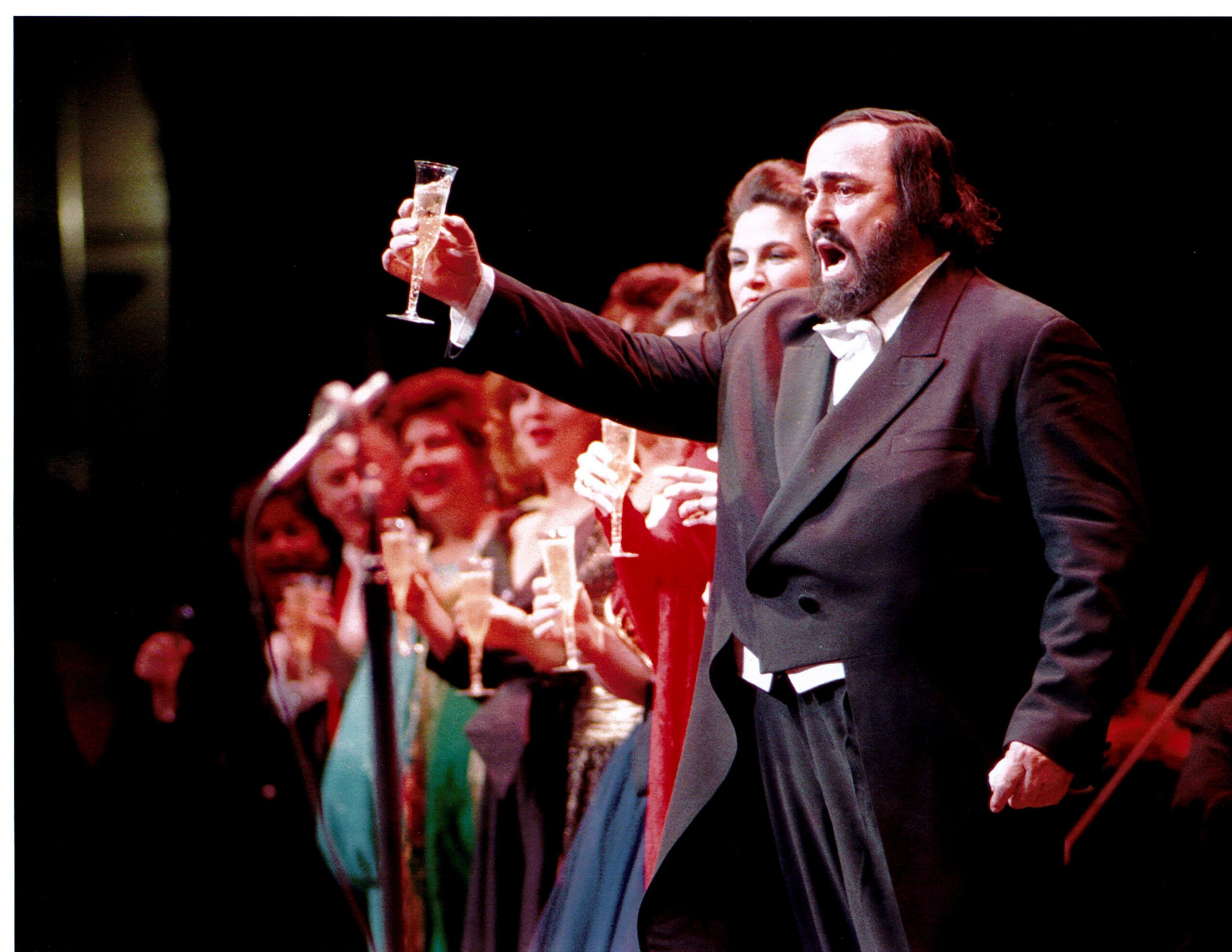
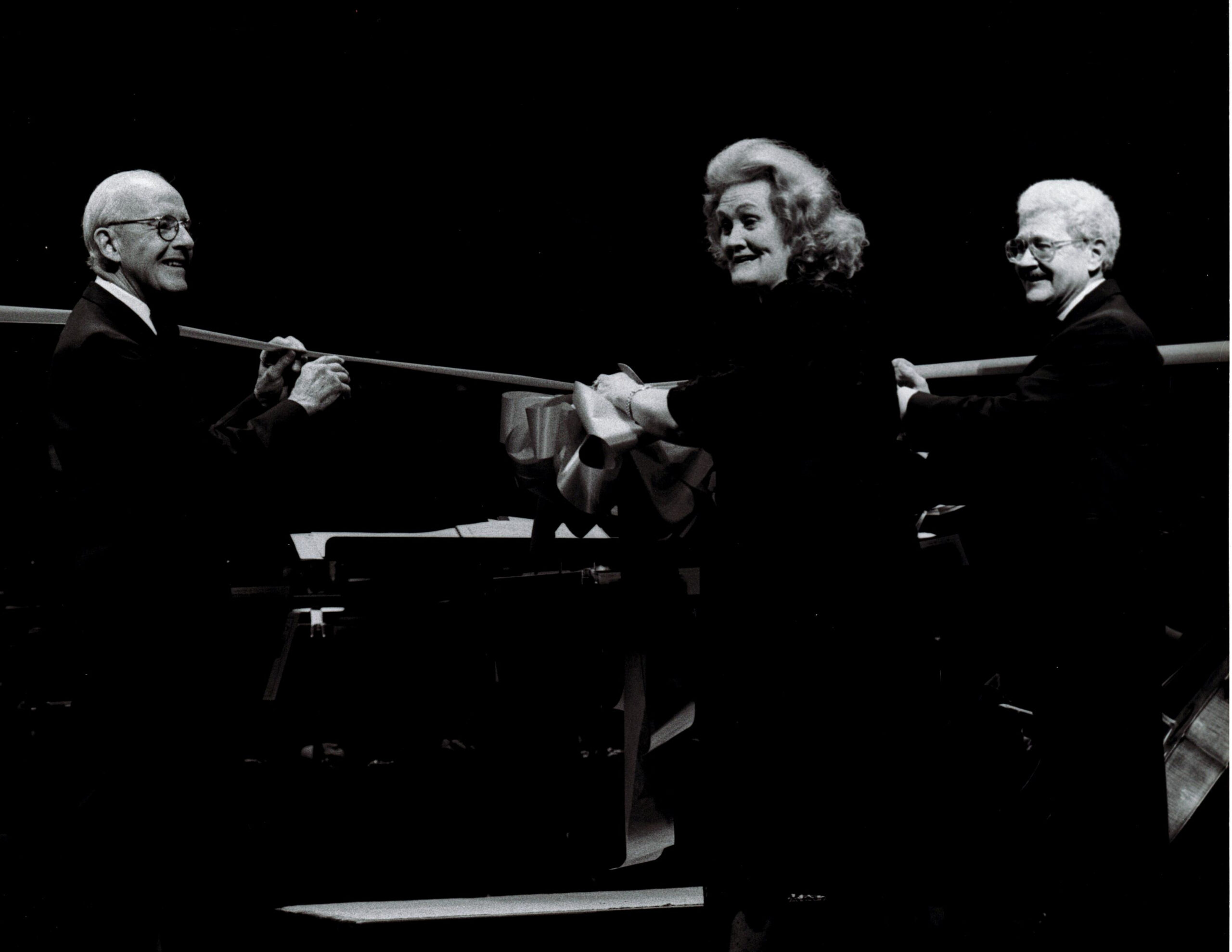
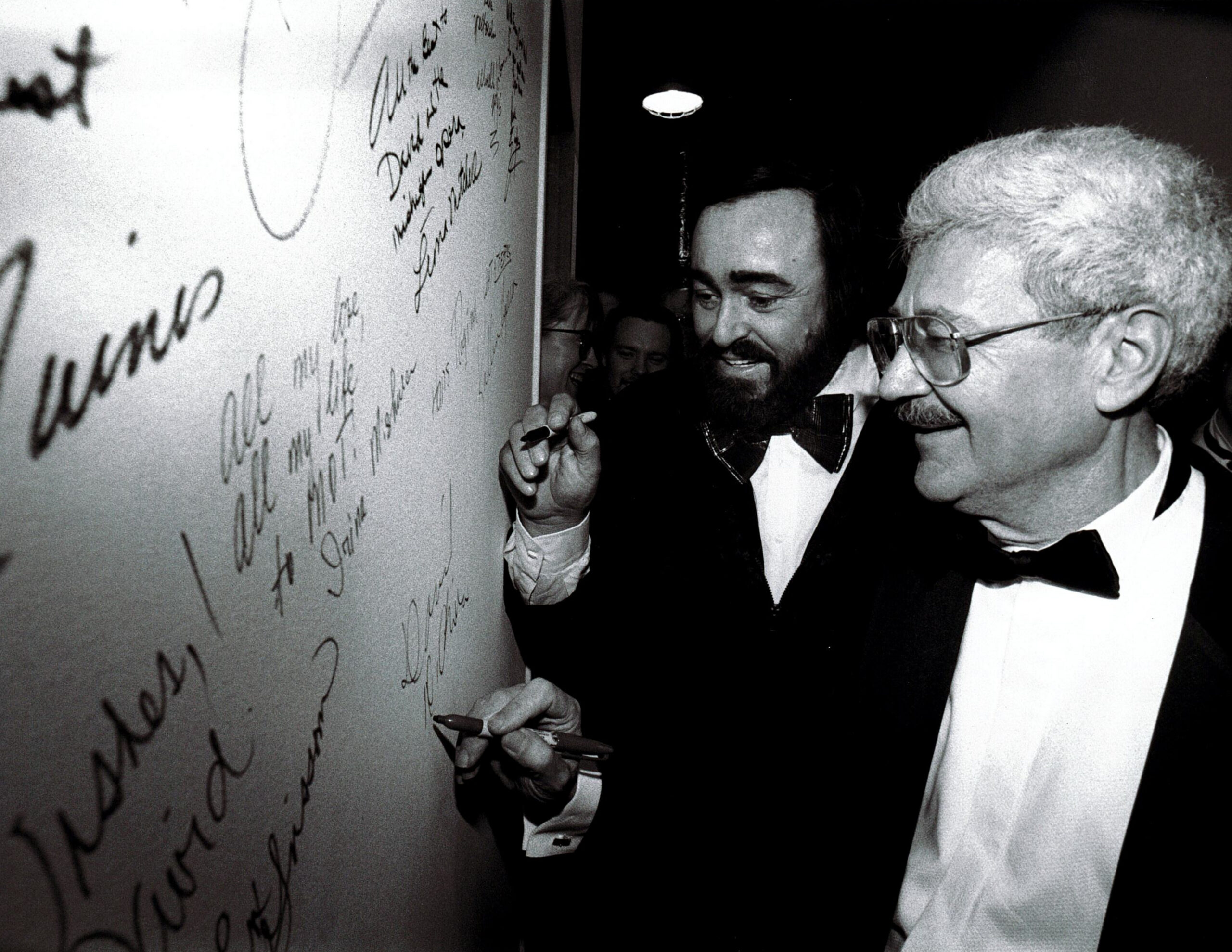
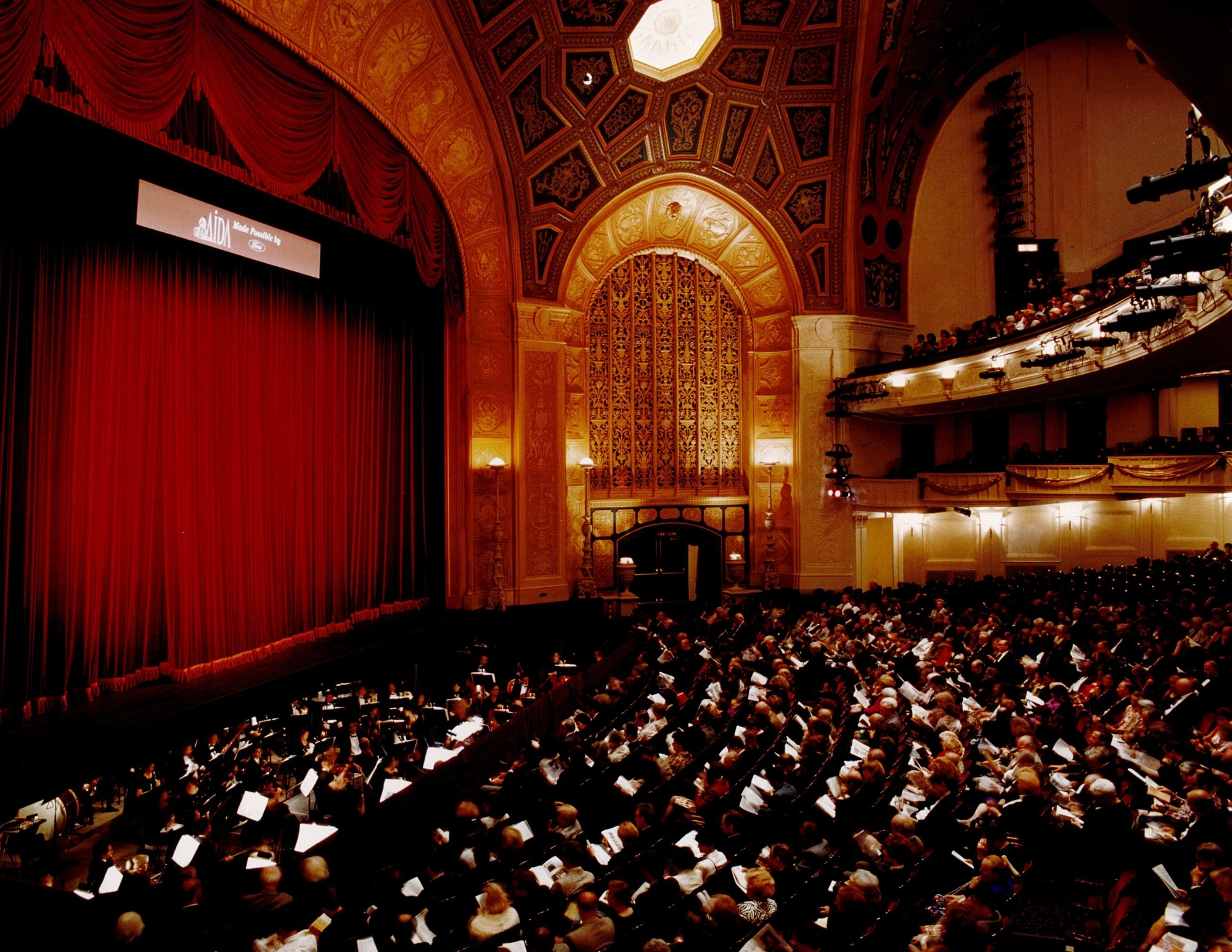
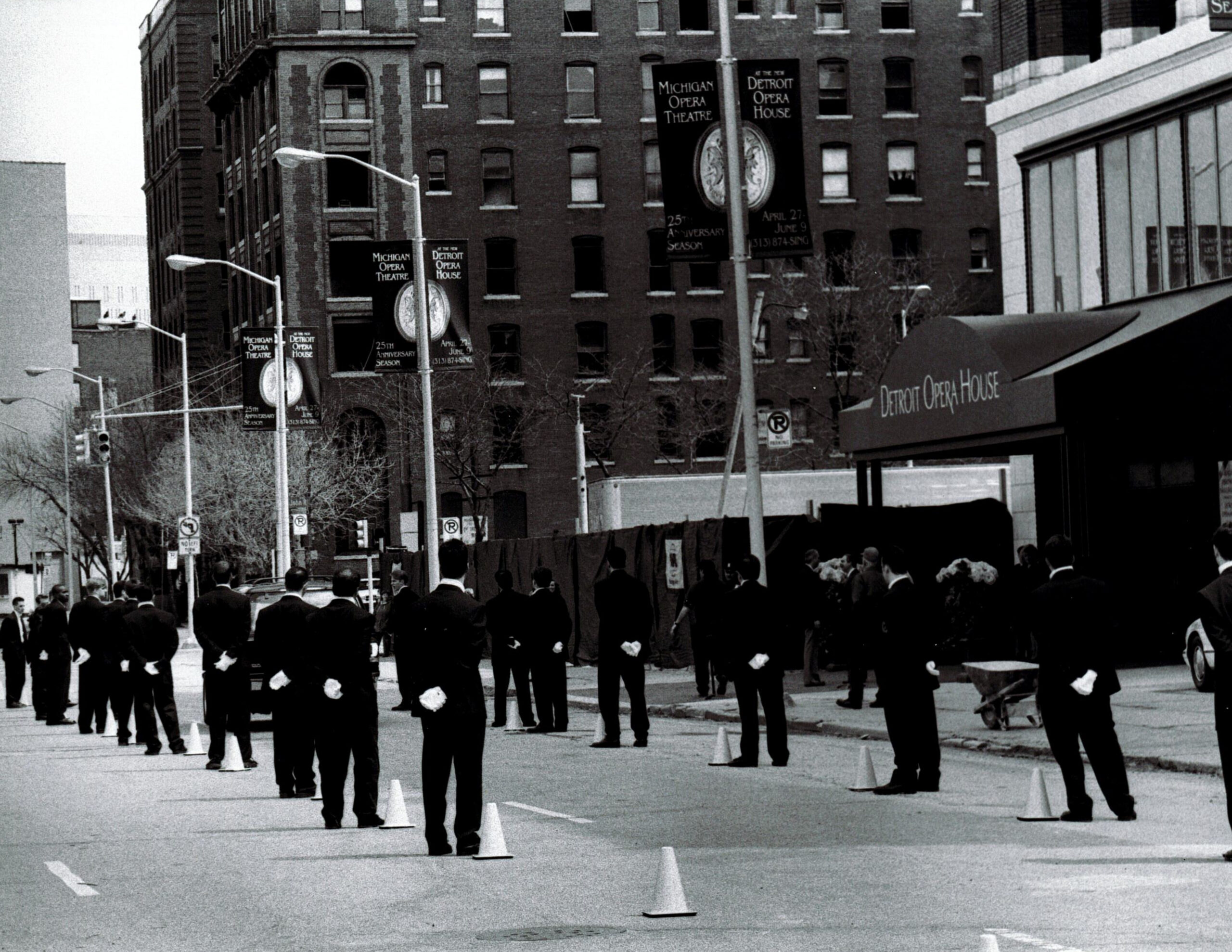
Bravo 1996 Gala Concert program book.
A week after the gala opening, the first staged production in the restored house was Puccini’s La bohème, starring Marcello Giordani as Rodolfo and Patricia Racette as Mimi. The final production of the inaugural spring season in 1996 saw Maria Ewing return to her roots, singing the title role in Strauss’s Salome in June, opposite fellow Detroit native and Metropolitan Opera star George Shirley, in the role of Herod.
A Home at Last
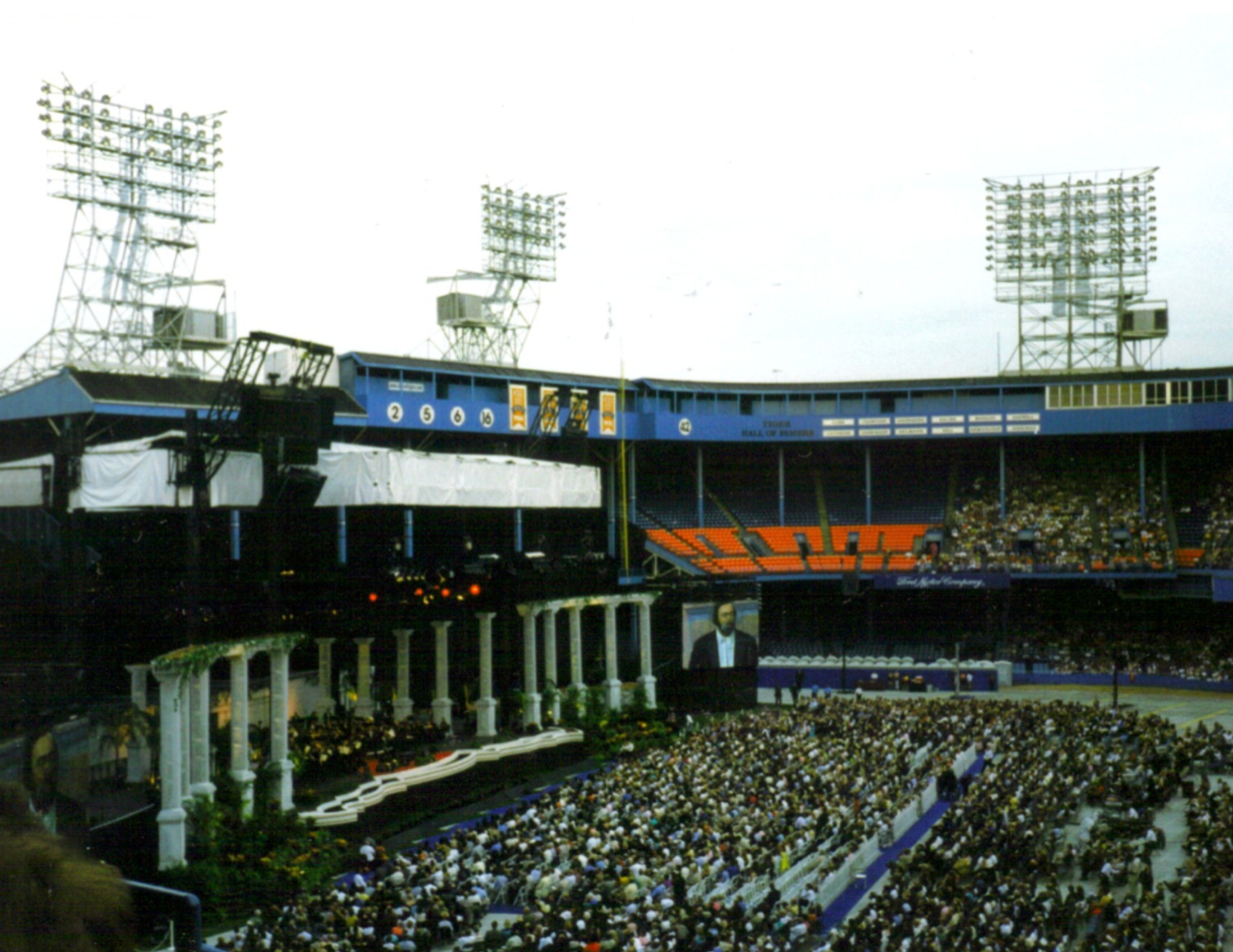
Once the Detroit Opera House opened, the company’s profile expanded again. In 1997, Michigan Opera Theatre ushered in a new dance series, with the American Ballet Theatre as the inaugural company. In 1998, the company presented its first Wagner opera, The Flying Dutchman. In 1999, MOT presented The Three Tenors at Tiger Stadium — their only North American appearance that year — and Andrea Bocelli made his North American opera debut at the Opera House in Massenet’s Werther; notably, it was one of the first American productions ever webcast.
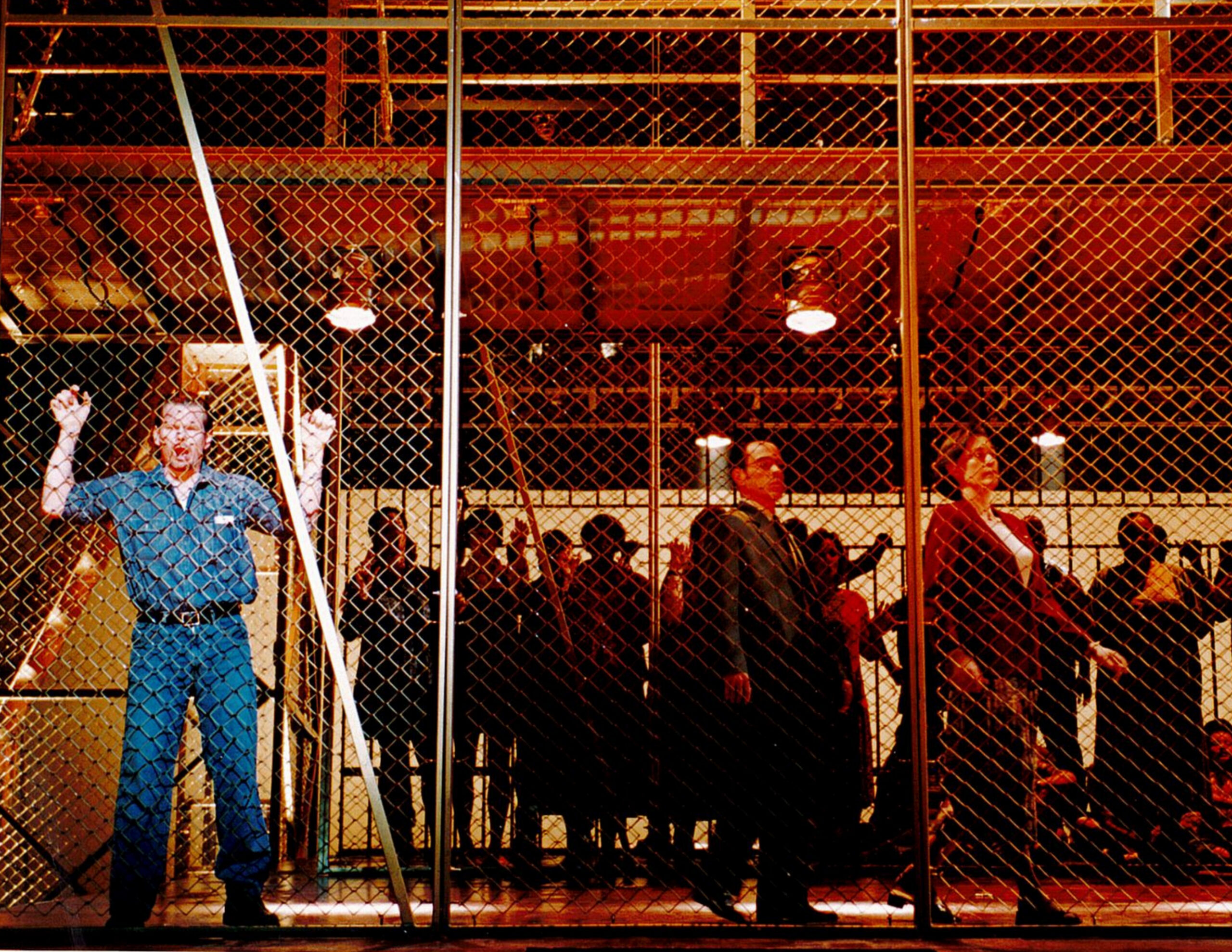
The early 2000s brought additional dance and opera milestones to the Detroit Opera House stage, including appearances by the Stuttgart Ballet, the Bolshoi Ballet, Dance Theatre of Harlem, and Alvin Ailey American Dance Theater, alongside operas such as Der Rosenkavalier, Peter Grimes, Otello, Lakmé, and the Michigan premiere of Jake Heggie and Terrence McNally’s Dead Man Walking.
The company’s identity has always been broader than a traditional definition of opera. Dance, musical theater, new American operas, major international and American artists, and beloved repertory all have had a place on its stage.
New Work, American Stories, and a Broader Operatic Imagination
One important throughline in the company’s history is its long commitment to contemporary work and to stories that resonate with American cultural life. In 2005, MOT produced its first world premiere at the Detroit Opera House: Richard Danielpour and Toni Morrison’s Margaret Garner, starring Denyce Graves. It remains one of the company’s defining artistic achievements, both because of Morrison’s involvement and because of the work’s deep engagement with telling the story of American slavery, memory, and Black history. Two years later, the company produced the premiere of DiChiera’s own opera, Cyrano.
Detroit Opera became one of the early opera organizations to produce works reflecting the African-American experience. Seen together, productions such as Porgy and Bess, Treemonisha, Margaret Garner, and later The Summer King, Blue, X: The Life and Times of Malcolm X, and The Central Park Five, form a meaningful artistic lineage. They show a company committed not only to preserving opera’s past, but to enlarging its frame.
Endurance in Hard Times
Like Detroit itself, Michigan Opera Theatre has weathered economic hardship. In 2009, amid the steep decline of the recession years, the company endured dramatic cutbacks but continued producing work, including a production of Verdi’s Nabucco. In 2010, it reduced its opera schedule from five productions to four as it rode out the downturn. That chapter is essential to the company’s history because it reminds us that its growth was never automatic and comes with setbacks. Detroit Opera’s survival has depended on persistence as much as glamour.
Renewal, Experimentation, and the Road to Detroit Opera
Since its infancy, the company’s administration, artistic direction, and public identity had been closely shaped by founder David DiChiera. In 2013, after nearly 50 years at the helm, DiChiera moved into the role of Artistic Director while Detroit native Wayne S. Brown became President and CEO.
Brown and DiChiera guided the company together through a period of renewal and outward-facing growth. In 2015, MOT presented the Midwest premiere of Robert Xavier Rodriguez’s Frida, accompanied by a series of related community events timed to the Detroit Institute of Arts’ major Frida Kahlo and Diego Rivera exhibition, and Mieczysław Weinberg’s The Passenger, a Holocaust-themed opera supported by 55 community partners throughout its run. In 2018, The Summer King, Daniel Sonenberg’s opera about Negro League baseball star Josh Gibson, connected opera to Detroit sports history and to a wide web of community partnerships, including the Detroit Tigers, the Charles H. Wright Museum of African American History, and the Detroit Public Library.
DiChiera continued to shape the company’s artistic life into his final years, before his death in September 2018.
Then, in the first year of the Covid pandemic, came a major artistic turn. In 2020, Yuval Sharon joined the company as Artistic Director.

That same year, with arts organizations facing pandemic performance restrictions, the company presented Sharon’s Twilight: Gods, a drive-through adaptation of Wagner’s Götterdämmerung staged in the Detroit Opera House open-air Parking Center.
Continuing with health-safe programming, in 2021, the company presented a series of site-specific performances outside the Opera House, including Cavalleria Rusticana at Meadow Brook Amphitheatre, Jeanine Tesori and Tazewell Thompson’s Blue at the Aretha Franklin Amphitheatre, and Sharon’s Bliss in the Michigan Building parking garage, under the ceiling of its previous life as a grand movie palace.
Under Sharon’s artistic direction, these productions reimagined how and where the art form of opera could happen, and in doing so they opened a new chapter in the company’s public identity in Detroit, while raising its national profile.
From Michigan Opera Theatre to Detroit Opera
In 2022, the company officially changed its name from Michigan Opera Theatre to Detroit Opera. The shift was not a break with the past so much as a clearer statement of what had long been true. The new name aligned with a vision emphasizing community, accessibility, artistic risk-taking, and collaboration, while reaffirming the company’s relationship to the city that shaped it. Puccini’s La bohème, the first production presented under the Detroit Opera name, reimagined one of opera’s best-known tragedies in reverse order, moving from loss back toward first love and asking audiences to hear a familiar work in an entirely new way.
That same period made clear that the renaming was also an artistic declaration. Anthony Davis’s X: The Life and Times of Malcolm X brought a landmark American work to Detroit in a production centered on Malcolm X’s struggle to define his life on his own terms, connecting personal transformation to a broader fight for justice.
Soon after, The Valkyries opened the 2022–23 season with a striking fusion of live performance and real-time computer graphics, using green-screen technology, animation, and projected digital environments to push Wagner into a new visual and technological register. In 2023, the company presented its first Spanish-language opera, Osvaldo Golijov’s Ainadamar (Fountain of Tears), and a newly conceived Madame Butterfly created by a fully Japanese and Japanese-American creative team.
This trajectory continued with Sharon’s production of John Cage’s Europeras 3 & 4 at the Gem Theatre, which extended Detroit Opera’s interest in experimentation even further.
Built from fragments of the European operatic canon and staged with a mix of chance procedures, archival materials, and sensory overload, the work turned the company’s own history into part of the performance while underscoring its commitment to opera as a living, unstable, and constantly renewable form. In that sense, the name Detroit Opera did more than rename the institution. It clarified its ambitions.
What Detroit Opera Has Meant
Detroit Opera’s impact can be measured in many ways. It can be measured in artists: Maria Ewing, Leona Mitchell, Kathleen Battle, Joan Sutherland, Luciano Pavarotti, Marcello Giordani, Rebecca Luker, Ron Raines, Cleo Laine, Vinson Cole, Ben Heppner, Janet Williams, Helen Donath, Alessandra Marc, Andrea Bocelli, Denyce Graves, Nicole Heaston, Donnie Ray Albert, Gregg Baker, Sumi Jo, Catalina Cuervo, Davóne Tines, Christine Goerke, Lisette Oropesa, and many others who helped define the company’s stages across decades. It can be measured in repertoire: from The Barber of Seville and Boris Godunov to Margaret Garner, The Passenger, The Summer King, and Blue. It can be measured in educational and community work, beginning with David DiChiera’s infant company Overture to Opera and expanding through Karen VanderKloot DiChiera’s community programs of youth initiatives, such as Learning at the Opera House and statewide school district outreach; the company’s Resident Artist Program and Youth Chorus continues to be a mainstay to this day. And it can be measured in the restored Opera House itself — a building whose revival became part of downtown Detroit’s larger cultural and economic renewal.
But perhaps the 55-year-old company’s deepest impact is harder to summarize. Across six decades, Detroit Opera has repeatedly asked what it would mean for opera not simply to visit Detroit, but to belong here. That question shaped Overture to Opera. It shaped Michigan Opera Theatre. It shapes Detroit Opera now and has been rooted at the Detroit Opera House for 30 years. The company’s history is more than a chronology of productions and star turns. It is the history of an institution that kept making room for opera in this city — through education, experiment, restoration, ambition, and belief.
For a complete history of Detroit Opera’s seasons, past program books can be found at issuu.com/detroitopera.
RELATED POSTS
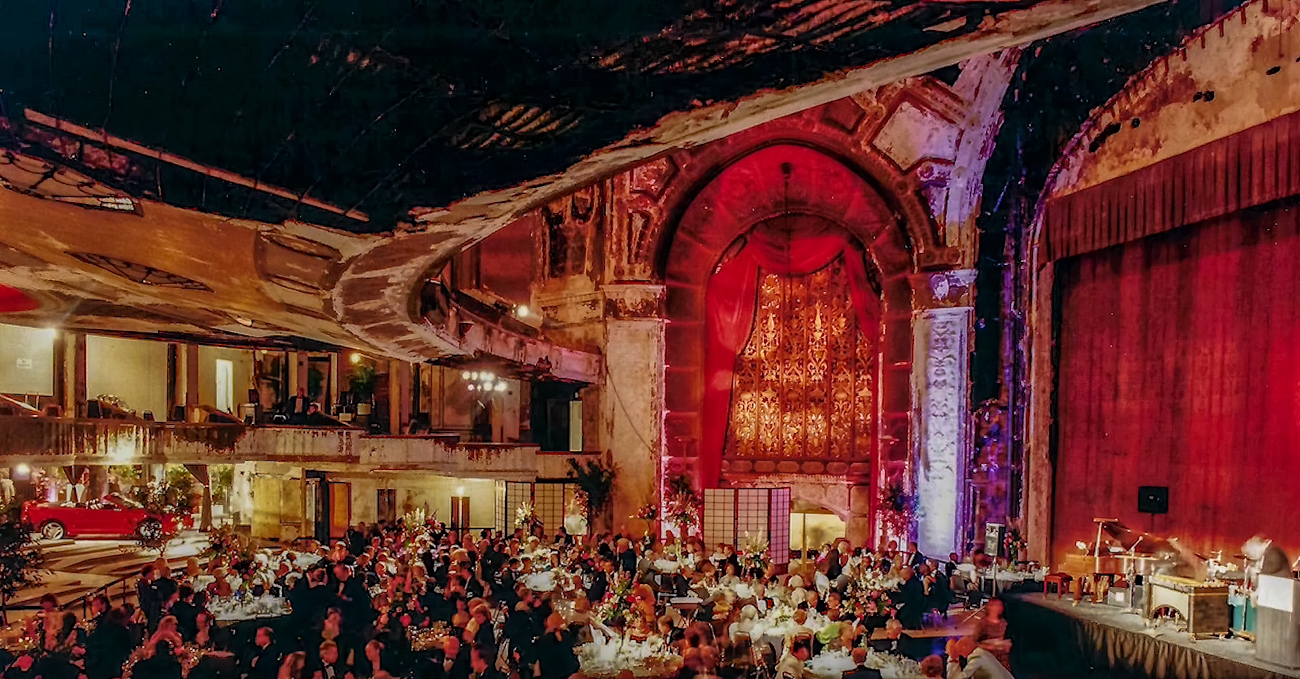
A Timeline of the Detroit Opera House
A Timeline of the Detroit Opera House By Austin T. Richey, Ph. D. Digital Media Manager and Storyteller, Detroit Opera 1896 The Detroit Opera House c. 1896. Burton Historical Collection. Detroit’s first public motion picture screening takes place at the earlier Detroit Opera House on Campus Martius — a fitting prelude to the long entertainment...
learn More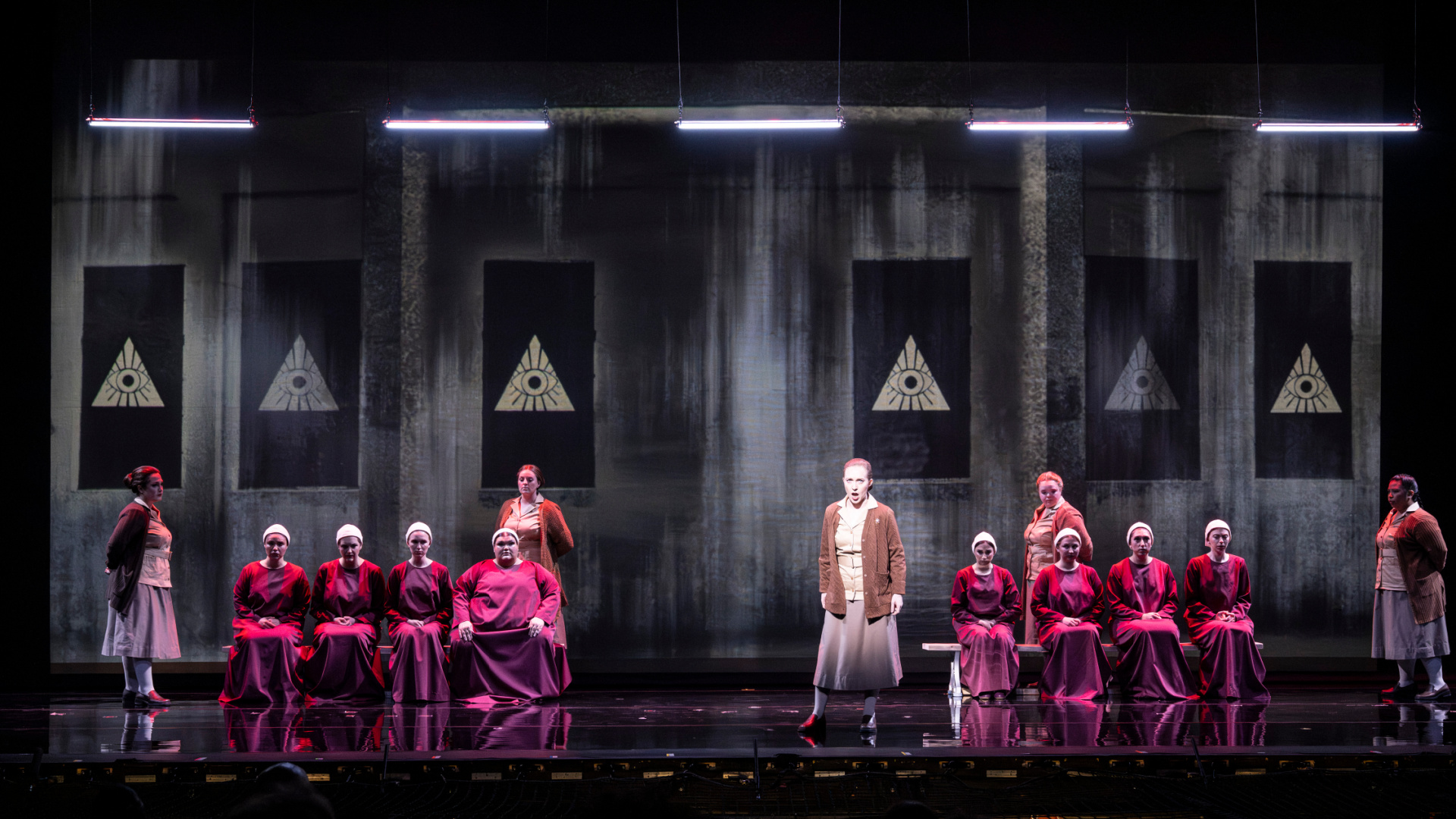
Opera, Pop Culture, and Why The Handmaid’s Tale Already Has a Fandom
Opera, Pop Culture, and Why The Handmaid’s Tale Already Has a Fandom By Austin T. Richey, Ph. D. Digital Media Manager and Storyteller, Detroit Opera Women dressed in red gowns protest outside the Department of Homeland Security Cybersecurity Summit in Manhattan, New York, July 31, 2018. Shannon Stapleton / Reuters. Long before a single note of The Handmaid’s Tale is...
learn More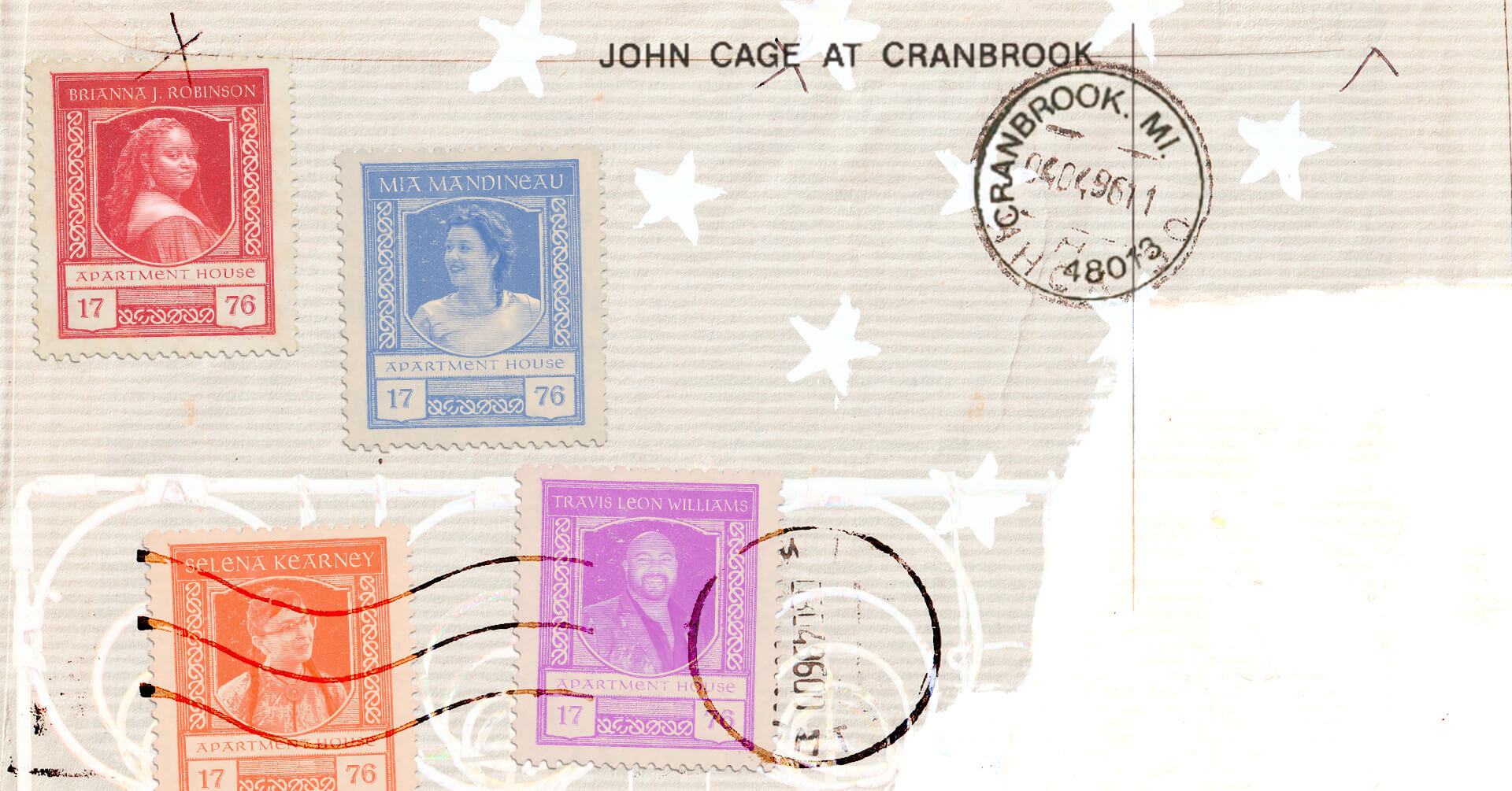
What Is an Apartment House of Sound?
What Is an Apartment House of Sound? John Cage’s America as Overlapping Rooms What does it mean to hear a nation not as a single story, but as an architecture of coexistence? By Austin T. Richey, Ph. D. Digital Media Manager and Storyteller, Detroit Opera John Cage in his apartment, photo by Roberto Masotti (1979)...
learn More